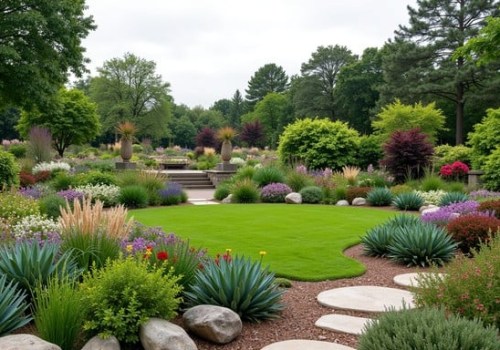
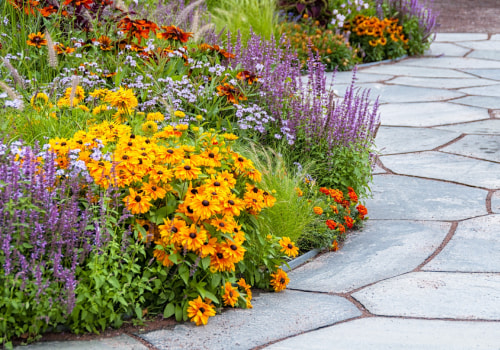
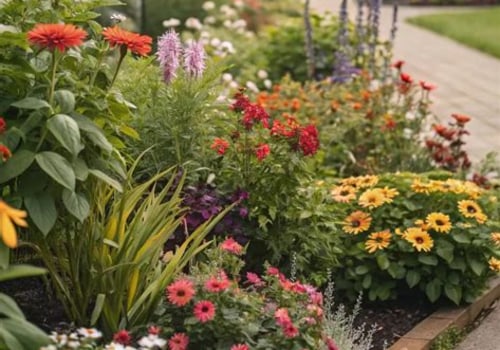
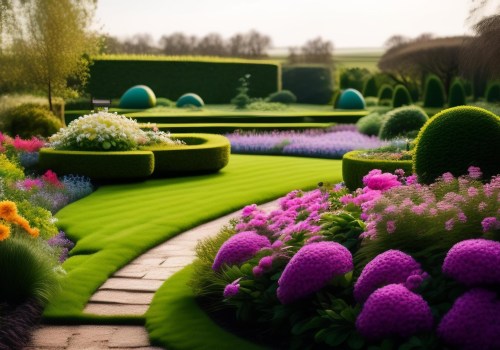
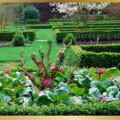
Ornamental gardening is a captivating form of landscape design that emphasizes aesthetics and beauty, transforming outdoor spaces into visually stunning environments. Unlike traditional gardening, which often focuses on functionality and food production, ornamental gardening prioritizes the artistic arrangement of plants, flowers, and hardscape elements. This unique approach allows gardeners to express their creativity while enhancing the overall appeal of their properties. The significance of ornamental gardening extends beyond mere decoration; it plays a crucial role in improving mental well-being and fostering a connection with nature. Engaging with beautifully designed gardens can evoke feelings of tranquility and joy, making them essential spaces for relaxation and reflection.
Furthermore, ornamental gardens can increase property value, attract wildlife, and contribute to environmental sustainability by promoting biodiversity. Understanding the principles of ornamental gardening is vital for anyone looking to create a harmonious outdoor space. It involves a careful balance between various elements, including plants, pathways, water features, and structures. By mastering this balance, gardeners can create inviting landscapes that not only please the eye but also provide a sanctuary for both people and wildlife.
The Role of Hardscape in Ornamental Gardens
In the realm of ornamental gardening, hardscape refers to the non-plant elements that provide structure and functionality to a garden. These elements can include pathways, patios, walls, and decorative features such as fountains or sculptures.By integrating hardscape into your garden design, you create a framework that enhances the overall aesthetic while also serving practical purposes.
Types of Hardscape
- Pathways: These can be made from materials like stone, brick, or gravel, guiding visitors through the garden while defining spaces.
- Patios: A well-designed patio can serve as an outdoor living area, perfect for entertaining or relaxing amidst the beauty of your plants.
- Retaining Walls: These structures not only prevent soil erosion but can also create tiered planting areas that add depth and interest to your garden.
- Water Features: Fountains and ponds introduce a soothing element to the garden, attracting wildlife and providing a focal point.
- Garden Furniture: Benches and tables made from durable materials can enhance usability while complementing the garden's design.
Benefits of Hardscape
The incorporation of hardscape elements in ornamental gardens offers numerous benefits:- Structure: Hardscape provides a backbone for your garden layout, helping to organize plantings and create visual pathways.
- Functionality: It allows for better use of space, making areas accessible for walking, sitting, or entertaining.
- Aesthetic Appeal: The contrast between hard surfaces and lush greenery enhances the beauty of both elements, creating a harmonious balance.
- Low Maintenance: Hardscape features often require less upkeep than plants, allowing you to enjoy your garden with minimal effort.
Choosing the Right Plants for Balance
Creating a harmonious balance between hardscape and plants in an ornamental garden begins with the careful selection of plant species. The right plants can enhance the beauty of hardscape features such as patios, walkways, and walls, while also providing a sense of cohesion throughout the garden.Consider Color and Texture
- Color: Choose plants that either complement or contrast with the colors of your hardscape materials. For instance, if you have warm-toned bricks or stones, consider planting flowers with vibrant reds, oranges, or yellows to create a striking visual effect.
- Texture: Mixing plants with different leaf shapes and textures can add depth to your garden.
For example, pairing the smooth leaves of hostas with the feathery fronds of ferns can create an interesting visual dynamic.
Growth Habits Matter
- Height: Incorporate plants of varying heights to create layers. Taller plants like sunflowers or hollyhocks can serve as backdrops, while shorter varieties such as pansies or creeping thyme can fill in the foreground.
- Spread: Consider how wide each plant will grow. Plants that spread out can soften hard edges and create a more natural transition between hardscape and garden beds.
Best Plants for Ornamental Gardens
Some excellent choices for ornamental gardens include:
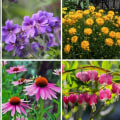
- Perennials: Plants like daylilies and coneflowers provide long-lasting blooms and can thrive alongside hardscape elements.
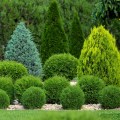
- Shrubs: Evergreens such as boxwood or flowering shrubs like hydrangeas can add structure and year-round interest.
- Grasses: Ornamental grasses like fountain grass or blue fescue offer movement and texture, enhancing the overall aesthetic.
Design Principles for Harmonizing Hardscape and Plants
Creating a sense of balance between hardscape and plants in ornamental gardening requires a thoughtful approach to design principles.By focusing on key elements such as proportion, scale, and unity, gardeners can achieve a harmonious landscape that enhances both the natural and constructed features of their space.
Proportion
is crucial in ensuring that the size of hardscape elements complements the surrounding plants. For instance, large stone pathways or patios should be balanced with larger plantings, while smaller features like garden benches can be paired with more delicate flowers or shrubs. This consideration helps to avoid overwhelming the garden with either hard or soft elements.
Scale
plays a similar role, emphasizing the relationship between different components in the garden. When selecting plants, consider their mature size in relation to hardscape features.
A towering tree may dwarf a small trellis, while a cluster of low-growing perennials can beautifully frame a larger stone wall. Maintaining appropriate scale ensures that each element contributes to the overall aesthetic without competing for attention.
Unity
is another essential principle that fosters harmony in garden design. This can be achieved through consistent materials and colors across both hardscape and plant selections. For example, using similar stone types for pathways and retaining walls can create a cohesive look, while choosing plants with complementary foliage or flower colors can tie the entire space together.Incorporating these design principles not only enhances the visual appeal of an ornamental garden but also creates a functional space where hardscape and plants coexist in a balanced manner.
By thoughtfully considering proportion, scale, and unity, gardeners can cultivate an environment that is both beautiful and inviting.
Creating Focal Points with Hardscape and Plants
Creating focal points in your ornamental garden is essential for establishing visual interest and guiding the viewer's eye through the landscape. By strategically combining hardscape elements with plants, you can craft a harmonious balance that enhances the overall aesthetic of your garden.Hardscape elements
, such as pathways, walls, and decorative stones, can serve as powerful focal points. These structures not only provide functionality but also add texture and structure to your garden. For instance, a well-placed stone bench or a unique sculpture can draw attention and invite visitors to explore further.When integrating plants into your focal points, consider using specimen plants that stand out due to their size, color, or unique foliage.For example, a vibrant red Japanese maple can create a stunning contrast against a neutral stone wall, while tall ornamental grasses can frame a pathway, leading the eye toward a specific area of interest.
- Layering: Use layers of plants to create depth around hardscape features. Taller plants can be placed at the back, with shorter varieties in front, ensuring that each element is visible and contributes to the overall composition.
- Color Coordination: Choose plants that complement the colors of your hardscape. This creates a cohesive look that ties the garden together.
- Seasonal Interest: Select plants that offer year-round appeal. Incorporating evergreens alongside seasonal blooms ensures that your focal points remain attractive throughout the year.
By considering scale, color, and texture, you can design an ornamental garden that captivates and delights all who enter.
Maintenance Tips for Balanced Ornamental Gardens
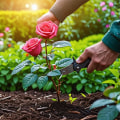
Maintaining a harmonious balance between hardscape and plants in your ornamental garden requires ongoing attention and care. Here are some practical maintenance tips to help you achieve this equilibrium:- Regular Pruning: Pruning is essential for keeping plants healthy and ensuring they do not overshadow hardscape elements. Regularly trim back overgrown branches and dead foliage to maintain the desired shape and size of your plants.
- Seasonal Care: Different seasons bring unique challenges. In spring, focus on fertilizing and mulching to promote growth.
During summer, ensure adequate watering, especially for newly planted areas. In fall, clean up fallen leaves and prepare your garden for winter.
- Weed Control: Weeds can quickly disrupt the balance in your garden by competing for nutrients and space. Implement a regular weeding schedule, using mulch to suppress weed growth around both plants and hardscape features.
- Soil Health: Healthy soil is the foundation of a thriving garden. Test your soil regularly and amend it with organic matter as needed to support both plant life and the stability of hardscape elements.
- Hardscape Maintenance: Inspect hardscape features such as pathways, walls, and patios for wear and tear.
Regular cleaning and repairs will ensure these elements remain visually appealing and functional, complementing the surrounding plant life.
Common Mistakes to Avoid in Balancing Hardscape and Plants
Creating a harmonious balance between hardscape and plants in ornamental gardening can be challenging, and many gardeners fall into common traps that can detract from the overall aesthetic. Here are some frequent mistakes to avoid:- Overwhelming Hardscape Elements: One of the most common errors is using too much hardscape, such as stone pathways or patios, which can dominate the garden space. This can lead to a sterile environment that lacks the warmth and vibrancy provided by plants. Aim for a balanced ratio of hardscape to greenery.
- Neglecting Scale and Proportion: When selecting hardscape materials and plants, it’s crucial to consider their scale.
Large stones or extensive paving can dwarf smaller plants, while oversized plants can overshadow delicate hardscape features. Always choose elements that complement each other in size.
- Ignoring Plant Growth: Many gardeners forget to account for the mature size of plants when designing their gardens. A plant that looks perfect in a small pot may outgrow its space, leading to overcrowding and an unkempt appearance. Research the growth habits of your chosen plants to ensure they fit well within your design.
- Inconsistent Styles: Mixing different styles of hardscape and plants without a cohesive theme can create visual chaos.
For instance, pairing rustic stone with sleek modern planters may confuse the eye. Stick to a consistent design style that reflects your vision for the garden.
- Neglecting Maintenance Needs: Some gardeners overlook the maintenance requirements of both hardscape and plants. A beautiful garden can quickly become overwhelming if it requires more upkeep than you can manage. Choose materials and plants that align with your available time and resources.
Thoughtful planning and consideration will lead to a more inviting and visually appealing outdoor space.
FAQs About Balancing Hardscape and Plants in Ornamental Gardening
Creating a harmonious balance between hardscape and plants in ornamental gardening can be challenging. Here are some frequently asked questions that can help clarify this process:- What is hardscape in ornamental gardening?
Hardscape refers to the non-plant elements of a garden, such as patios, walkways, walls, and other structures. These features provide structure and functionality to the garden. - How do I choose the right plants to complement my hardscape?
Consider the scale and style of your hardscape. For example, if you have a large stone patio, opt for larger plants that can stand up to the scale of the hardscape.Additionally, choose plants that echo the colors and textures of your hardscape materials.
- What are some tips for achieving balance?
1.Proportion:
Ensure that the size of your plants is proportionate to your hardscape elements.
2.Color Harmony:
Select plants that harmonize with the colors of your hardscape.
3.Layering:
Use layers of plants to create depth and interest around hardscape features. - Can I use hardscaping to enhance plant visibility?
Absolutely! Features like raised beds or decorative planters can elevate plants, making them more visible and creating a striking contrast with hard surfaces. - How do seasonal changes affect the balance?
Consider how your garden will look in different seasons. Choose a mix of evergreen and seasonal plants to maintain visual interest year-round, ensuring that your hardscape remains a focal point even when plants are dormant.
Conclusion: Achieving Balance in Your Ornamental Garden
In conclusion, achieving a harmonious balance between hardscape and plants is essential for creating a visually appealing and functional ornamental garden. Throughout this article, we have explored various strategies to ensure that both elements complement each other, enhancing the overall aesthetic and ecological health of your garden.To recap, consider the following key points:- Proportion and Scale: Ensure that the size of hardscape features, such as patios, walkways, and walls, is proportionate to the surrounding plantings. This creates a cohesive look that feels intentional.
- Color Coordination: Choose materials for hardscaping that harmonize with the colors of your plants.
Neutral tones often work best, allowing vibrant flowers and foliage to stand out.
- Texture Variation: Incorporate different textures in both hardscape and plant selections. For instance, smooth stones can contrast beautifully with the soft leaves of ornamental grasses.
- Functional Design: Use hardscape elements to create functional spaces within your garden. Seating areas, pathways, and borders should not only serve a purpose but also enhance the beauty of surrounding plants.
- Seasonal Interest: Plan for seasonal changes by selecting plants that provide year-round interest. This ensures that even when certain plants are dormant, the hardscape remains an attractive feature.
Remember, the goal is to create a space where hardscape and plants coexist in perfect harmony, inviting visitors to explore and appreciate the artistry of your design.