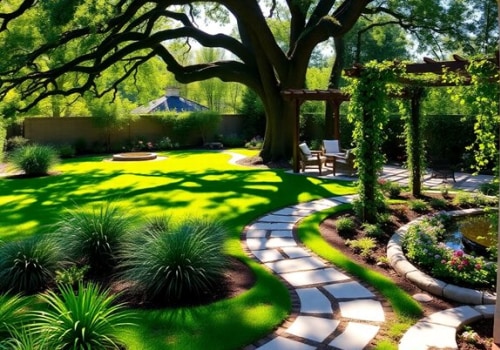
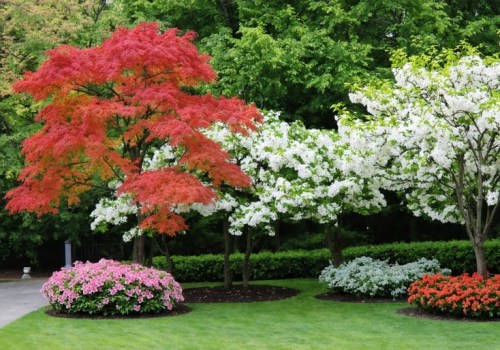
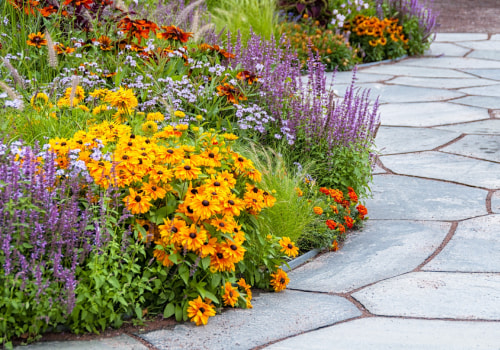
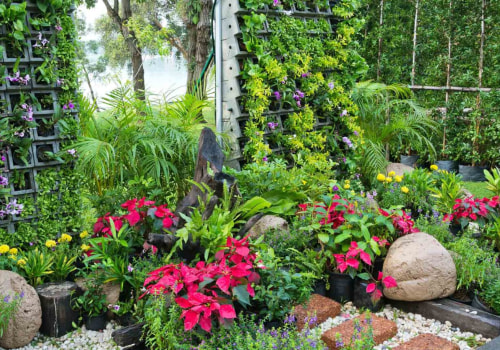
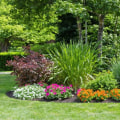
Ornamental gardening is a captivating branch of horticulture that focuses on the aesthetic appeal of plants and landscapes. Unlike other types of gardening, which may prioritize functionality—such as vegetable or herb gardening—ornamental gardening emphasizes beauty, design, and the overall visual experience. This form of gardening allows enthusiasts to express their creativity through the selection and arrangement of various plants, flowers, and decorative elements, creating serene spaces that can transform any environment.At its core, ornamental gardening involves the cultivation of plants primarily for their ornamental value rather than for consumption. This includes a wide range of flora, from vibrant flowering plants to lush foliage and even unique structures like trellises and garden sculptures.
The significance of ornamental gardening lies not only in its ability to enhance the beauty of residential and public spaces but also in its role in promoting biodiversity and providing habitats for various wildlife.As we delve deeper into this topic, it’s essential to understand how ornamental gardening differs from other gardening types. While vegetable gardens focus on producing food and herb gardens emphasize culinary uses, ornamental gardens invite us to appreciate nature's artistry. This distinction highlights the diverse motivations behind gardening practices and showcases how ornamental gardening can serve as a peaceful retreat from the hustle and bustle of everyday life.
Defining Ornamental Gardening
Ornamental gardening is a specialized branch of gardening focused primarily on the aesthetic appeal of plants and landscapes. Unlike other types of gardening, which may prioritize functionality—such as vegetable or herb gardening—ornamental gardening emphasizes beauty, design, and artistic expression.At its core, ornamental gardening involves the cultivation of plants for decorative purposes.This can include a wide variety of flora, such as flowering plants, shrubs, trees, and even ornamental grasses. The primary objective is to create visually pleasing environments that enhance the overall landscape.
Characteristics of Ornamental Gardening
- Aesthetic Focus: The main goal is to create beauty through color, texture, and form. Gardeners often select plants based on their visual impact rather than their utility.
- Diverse Plant Selection: Ornamental gardens can feature a wide range of species, including annuals, perennials, and evergreens. This diversity allows for year-round interest and seasonal changes.
- Design Principles: Ornamental gardening often incorporates design elements such as symmetry, balance, and focal points.
Gardeners may use pathways, borders, and structures to enhance the visual experience.
- Seasonal Interest: Many ornamental gardens are designed to provide visual interest throughout the seasons. This can involve selecting plants that bloom at different times or have varying foliage colors.
- Maintenance Considerations: While ornamental gardens are primarily for beauty, they still require regular maintenance. This includes pruning, deadheading, and pest management to keep the garden looking its best.
Key Differences Between Ornamental Gardening and Other Types of Gardening
Ornamental gardening is distinct from other types of gardening in several key ways, primarily in its purpose, design, and plant selection.Understanding these differences can help gardeners choose the right approach for their outdoor spaces.
Ornamental vs Vegetable Gardening
The primary difference between ornamental gardening and vegetable gardening lies in their intended outcomes. Ornamental gardening focuses on aesthetics, creating visually appealing landscapes with flowers, shrubs, and decorative plants. In contrast, vegetable gardening prioritizes the cultivation of edible plants for consumption. While both types of gardening require similar skills in terms of soil preparation and plant care, the selection of plants varies significantly.Ornamental gardeners might choose vibrant blooms and foliage, while vegetable gardeners select crops based on their nutritional value and growth conditions.
Ornamental vs Landscape Gardening
While landscape gardening can include ornamental elements, it encompasses a broader scope that often integrates functional aspects such as pathways, patios, and water features. Ornamental gardening is more focused on the beauty of individual plants and arrangements. Landscape gardening aims to create a cohesive outdoor environment that balances aesthetics with usability. For instance, a landscape gardener might design a space that includes both ornamental flower beds and practical areas for outdoor activities, whereas an ornamental gardener would concentrate solely on enhancing visual appeal.Ornamental vs Functional Gardening
Functional gardening emphasizes utility over beauty, often incorporating plants that serve specific purposes such as providing shade, privacy, or windbreaks.In contrast, ornamental gardening prioritizes the visual impact of plants without necessarily considering their functional benefits. For example, an ornamental gardener may choose a flowering tree for its stunning blossoms, while a functional gardener might select a tree based on its ability to provide shade or act as a noise barrier. This distinction highlights how ornamental gardening is primarily about creating beauty in the garden rather than fulfilling practical needs.In summary, while all types of gardening share common practices, ornamental gardening stands out due to its focus on aesthetics rather than utility or food production. Understanding these differences can help gardeners make informed decisions about their planting strategies and garden designs.
The Aesthetic Focus of Ornamental Gardening
Ornamental gardening is primarily concerned with the aesthetic appeal of plants and landscapes, setting it apart from other gardening types that may prioritize functionality or food production.The beauty in ornamental gardens is achieved through a careful selection of plants, colors, and textures, all designed to create a harmonious visual experience.One of the key design principles in ornamental gardening is the concept of balance. This can be achieved through symmetrical arrangements or asymmetrical designs that still feel cohesive. For instance, a garden may feature a central focal point, such as a statue or a water feature, surrounded by carefully arranged flower beds that draw the eye and create a sense of order.Another important aspect is contrast. By juxtaposing different plant types, colors, and shapes, gardeners can create dynamic visual interest.
For example, pairing vibrant flowering plants with lush green foliage can enhance the overall beauty of the space. Additionally, using varying heights and textures adds depth to the garden, making it more engaging.
- Color Schemes: The use of color in ornamental gardening is crucial. Color theory can guide gardeners in selecting plants that complement each other, creating a palette that evokes specific emotions or themes.
- Seasonal Interest: Ornamental gardens are often designed to provide visual appeal throughout the year. This involves choosing plants that bloom at different times or have interesting foliage during various seasons.
- Focal Points: Incorporating elements such as sculptures, benches, or unique plant specimens can serve as focal points that enhance the garden's overall design.
By understanding and applying these design principles, gardeners can create stunning environments that not only please the eye but also provide a sense of tranquility and joy.
Plant Selection in Ornamental Gardening
When it comes to ornamental gardening, the selection of plants plays a crucial role in creating visually stunning landscapes. Unlike vegetable or herb gardens that prioritize functionality, ornamental gardens focus on aesthetics, seasonal interest, and overall beauty.Here are some popular categories of plants commonly used in ornamental gardens:- Flowers: Annuals and perennials are essential for adding vibrant colors and textures. Some of the best flowers for ornamental gardens include:
- Roses: Known for their classic beauty and fragrance, roses come in various colors and sizes.
- Lavender: This aromatic plant not only adds color but also attracts pollinators.
- Peonies: With their lush blooms, peonies are a favorite for creating focal points.
- Shrubs: Shrubs provide structure and can be used for hedging or as standalone features. Consider these options:
- Hydrangeas: Their large flower clusters offer a dramatic effect throughout the growing season.
- Boxwood: A versatile evergreen that can be shaped into various forms, adding year-round interest.
- Azaleas: These flowering shrubs bring vibrant colors in spring, enhancing the garden's appeal.
- Trees: Trees can serve as focal points or provide shade.
Some excellent choices include:
Known for its stunning foliage, it adds elegance to any garden. - Crape Myrtle: This tree offers beautiful blooms in summer and striking bark in winter.
- Pine Trees: Evergreens like pines provide year-round greenery and can create a serene atmosphere.
Maintenance Practices in Ornamental Gardening
Maintaining an ornamental garden requires a thoughtful approach to ensure that the plants not only thrive but also retain their visual appeal throughout the seasons. The following practices are essential for the upkeep of these aesthetically focused spaces.Watering Techniques
Proper watering is crucial in ornamental gardening.Unlike vegetable gardens, where the focus is on growth, ornamental gardens require a balance between hydration and preventing waterlogging. Here are some tips:
- Deep Watering: Water deeply but infrequently to encourage deep root growth.
- Morning Routine: Water in the early morning to reduce evaporation and fungal diseases.
- Mulching: Apply mulch around plants to retain moisture and suppress weeds.
Pruning Practices
Pruning is another vital maintenance practice that enhances the shape and health of ornamental plants. Regular pruning helps to remove dead or diseased branches, promotes airflow, and encourages new growth. Consider these guidelines:- Timing: Prune flowering shrubs after they bloom to avoid cutting off next year’s flowers.
- Tools: Use sharp, clean tools to make precise cuts and minimize damage.
- Technique: Cut at a 45-degree angle just above a bud to promote healthy growth.
Fertilizing Strategies
The right fertilization strategy can significantly impact the vibrancy of your ornamental garden.Here are some effective practices:
- Soil Testing: Conduct soil tests to determine nutrient needs before applying fertilizers.
- Slow-Release Fertilizers: Use slow-release options to provide nutrients over time without overwhelming the plants.
- Organic Options: Consider organic fertilizers like compost or well-rotted manure for a natural boost.
Common Challenges in Ornamental Gardening
Ornamental gardening, while rewarding, presents a unique set of challenges that can test even the most seasoned gardeners. Understanding these challenges is crucial for maintaining a thriving ornamental garden.Pests in Ornamental Gardens
One of the most significant challenges in ornamental gardening is dealing with pests. Common pests such as aphids, spider mites, and whiteflies can wreak havoc on delicate ornamental plants. These pests not only damage the foliage but can also lead to diseases that may compromise the health of your garden.- Prevention: Regularly inspect plants for early signs of infestation.
- Natural Remedies: Introduce beneficial insects like ladybugs or use organic insecticidal soaps to manage pest populations.
- Cultural Practices: Rotate plants and maintain healthy soil to reduce pest attraction.
Climate Effects on Ornamental Plants
The climate plays a pivotal role in the success of an ornamental garden.Extreme temperatures, whether hot or cold, can stress plants and hinder their growth. Additionally, fluctuations in rainfall can lead to either drought stress or waterlogged conditions, both detrimental to ornamental species.
- Choosing the Right Plants: Select species that are well-suited to your local climate and soil conditions.
- Microclimates: Create microclimates within your garden by using structures like trellises or fences to provide shelter from harsh winds or excessive sun.
- Irrigation Management: Implement efficient watering systems such as drip irrigation to ensure consistent moisture levels without overwatering.
The Role of Ornamental Gardening in Landscape Design
Ornamental gardening serves as a vital component in the realm of landscape design, transforming ordinary outdoor spaces into visually stunning environments. Unlike functional gardens that prioritize utility, ornamental gardens focus on aesthetics, creating a harmonious blend of colors, textures, and forms that enhance the overall appeal of a landscape.One of the primary roles of ornamental gardening in landscape design is to establish focal points.These can be achieved through the strategic placement of flower beds, sculptures, or unique plant arrangements that draw the eye and create interest. By integrating these elements, landscape architects can guide visitors through a space, encouraging exploration and engagement with the environment.Moreover, ornamental gardens contribute to the overall ecosystem of a landscape. They provide habitats for various wildlife, including birds and beneficial insects, which can enhance biodiversity. This integration not only beautifies the area but also supports ecological health.When considering how to integrate ornamental gardens into landscapes, it is essential to think about seasonality.
Selecting plants that bloom at different times throughout the year ensures that the garden remains vibrant and engaging across all seasons. For instance, incorporating spring bulbs, summer perennials, and autumn foliage can create a dynamic visual experience.In landscape architecture, the use of ornamentals extends beyond mere decoration. It involves thoughtful planning and design principles that consider scale, proportion, and balance. By utilizing various plant heights and forms, designers can create layers within a garden that add depth and dimension.In conclusion, ornamental gardening is not just about beautification; it plays a crucial role in enhancing outdoor spaces through thoughtful design and ecological consideration.
By understanding its significance in landscape architecture, gardeners and designers alike can create environments that are both functional and aesthetically pleasing.
FAQs About Ornamental Gardening
Ornamental gardening is a unique and rewarding pursuit that often raises questions among both novice and experienced gardeners. Here are some frequently asked questions that can help clarify common misconceptions and provide practical advice for those interested in this beautiful form of gardening.What is ornamental gardening?
Ornamental gardening focuses on cultivating plants primarily for their aesthetic appeal rather than for food production. This includes flowers, shrubs, trees, and decorative elements like sculptures or water features that enhance the visual landscape.How does ornamental gardening differ from other types of gardening?
- Purpose: While vegetable or fruit gardening aims to produce edible crops, ornamental gardening prioritizes beauty and design.
- Plant Selection: Ornamental gardens often feature a variety of flowering plants, foliage, and textures, whereas other gardens may focus on specific crops.
- Design Elements: Ornamental gardens frequently incorporate hardscaping elements such as paths, patios, and decorative structures, which are less common in functional gardens.
What are some tips for beginners in ornamental gardening?
- Start Small: Begin with a small area to avoid feeling overwhelmed. Choose a few key plants that you love.
- Research Plants: Understand the growing conditions of your chosen plants, including sunlight, soil type, and water needs.
- Plan Your Layout: Sketch a design that considers plant height, color combinations, and seasonal interest to create a cohesive look.
- Maintenance: Regularly check your plants for pests and diseases, and be prepared to prune or deadhead to encourage growth.
Are there any common misconceptions about ornamental gardening?
Many people believe that ornamental gardening requires extensive knowledge or experience.However, with the right resources and a willingness to learn, anyone can create a stunning garden. Additionally, some think that ornamental gardens are high-maintenance; while they can require care, many hardy plants are low-maintenance and perfect for beginners.By addressing these questions and misconceptions, aspiring gardeners can feel more confident in their journey into the world of ornamental gardening.
Conclusion: The Unique Appeal of Ornamental Gardening
In conclusion, ornamental gardening stands out as a unique and enriching form of gardening that prioritizes aesthetics and design over utility. Unlike other types of gardening, such as vegetable or herb gardening, which focus on producing food, ornamental gardening emphasizes the beauty and visual appeal of plants and landscapes.Throughout this article, we explored several key aspects that differentiate ornamental gardening from other gardening practices:- Aesthetic Focus: The primary goal of ornamental gardening is to create visually stunning spaces. This involves selecting plants based on their color, texture, and form to achieve a harmonious design.
- Diverse Plant Selection: Ornamental gardeners often choose a wide variety of plants, including flowering perennials, shrubs, and trees, to create dynamic landscapes that change with the seasons.
- Design Principles: Ornamental gardening incorporates principles of landscape design, such as balance, contrast, and unity, to enhance the overall beauty of the garden.
- Seasonal Interest: Unlike traditional gardens that may focus on a single harvest season, ornamental gardens are designed to provide visual interest year-round through careful plant selection and placement.
By prioritizing beauty and design, ornamental gardeners not only enhance their own living environments but also contribute positively to the community's aesthetic landscape.Ultimately, whether you are a seasoned gardener or a novice looking to explore new avenues in horticulture, embracing the principles of ornamental gardening can lead to rewarding experiences that go beyond mere cultivation. It invites you to engage with nature in a way that celebrates artistry and personal expression.