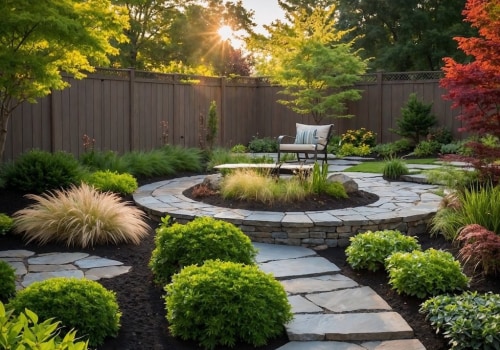
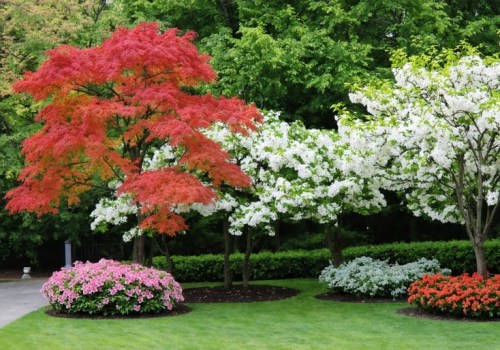
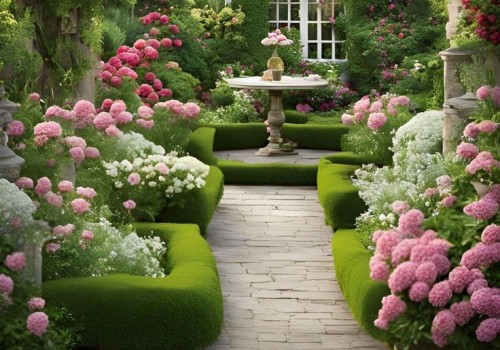
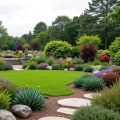
Ornamental gardening is a captivating art form that transforms outdoor spaces into vibrant displays of beauty and creativity. Unlike traditional gardening, which often focuses on functionality and food production, ornamental gardening emphasizes aesthetics, using plants, flowers, and landscape design to create visually stunning environments. This practice not only enhances the appeal of residential and public spaces but also fosters a deeper connection between people and nature. There are various types of ornamental gardens, each with its unique characteristics and design principles. For instance, formal gardens are known for their symmetrical layouts and structured plantings, while cottage gardens embrace a more relaxed, informal style filled with a diverse array of colorful blooms.
Additionally, contemporary gardens often incorporate modern design elements and innovative materials, showcasing the versatility of ornamental gardening. Understanding the different styles of ornamental gardens is essential for anyone looking to create a space that resonates with their personal aesthetic. By exploring these diverse approaches, gardeners can discover how to effectively use plants, colors, and textures to evoke emotions and create a sense of harmony in their landscapes. As we delve deeper into the topic, we will explore how to create a sense of movement within these beautiful settings, enhancing their dynamic qualities and inviting visitors to experience the garden in new ways.
The Importance of Movement in Garden Design
Creating a sense of movement in ornamental gardens is essential for enhancing both the visual appeal and the overall experience of visitors. Movement in garden design can be achieved through various elements, including plant selection, layout, and the use of pathways.By incorporating these elements thoughtfully, gardeners can guide the eye and create a dynamic environment that invites exploration.
Importance of Movement
- Visual Flow: A well-designed garden should lead the viewer's gaze from one area to another, creating a seamless transition between different sections. This visual flow can be achieved by using curved pathways, strategically placed plants, and varying heights to draw attention.
- Engagement: Gardens that evoke a sense of movement encourage visitors to engage with their surroundings. When people feel invited to walk through a space, they are more likely to appreciate the intricate details of the plants and design elements.
- Seasonal Changes: Incorporating plants that bloom at different times throughout the year adds another layer of movement. As seasons change, so does the garden's appearance, providing ongoing interest and encouraging repeat visits.
For instance, using taller plants at the back of a border and gradually decreasing height towards the front can create a sense of depth and perspective. Additionally, using contrasting colors and textures can enhance this effect, making certain areas pop and inviting closer inspection.Ultimately, the goal of creating movement in ornamental gardening is to foster an environment that feels alive and vibrant. By thoughtfully considering how each element interacts with others, gardeners can craft spaces that not only look beautiful but also inspire a deeper connection with nature.
Techniques to Create Movement in Your Garden
Creating a sense of movement in your ornamental garden can transform a static space into a dynamic environment that invites exploration. Here are several effective techniques to achieve this:- Plant Selection: Choose plants with varying heights, textures, and colors.
Tall plants like delphiniums or sunflowers can create vertical lines that draw the eye upward, while low-growing ground covers can lead the viewer's gaze along the garden floor.
- Layering: Layering plants in groups can create depth and interest. Place taller plants at the back and shorter ones in front to create a natural flow that guides visitors through the space.
- Curved Pathways: Incorporate winding paths made of gravel, stone, or mulch. Curved pathways encourage exploration and create a sense of journey, making the garden feel larger and more inviting.
- Hardscaping Elements: Use features like arbors, trellises, or pergolas to add vertical interest. These structures can frame views and create focal points that draw attention and guide movement.
- Color Schemes: Utilize color strategically to create visual pathways.
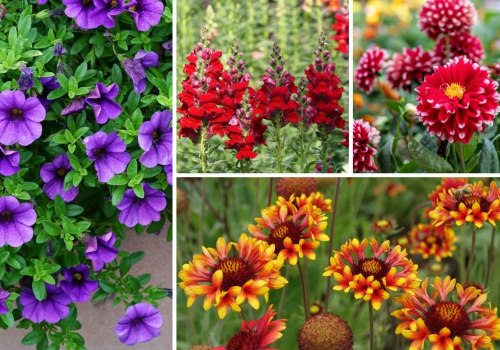
Warm colors like reds and yellows can attract attention, while cool colors like blues and greens can recede, helping to guide the eye through the garden.
Using Color and Texture to Enhance Movement
Creating a sense of movement in an ornamental garden can be significantly enhanced through the strategic use of color and texture. These elements not only draw the eye but also guide visitors through the space, making the garden feel dynamic and alive.Color Theory in Gardening
Understanding color theory is essential for any gardener looking to evoke a sense of motion. Colors can influence emotions and perceptions; for instance, warm colors like reds and oranges tend to advance visually, while cool colors such as blues and greens recede. By placing warm-colored plants at the forefront of a garden bed, you can create an inviting pathway that encourages exploration.Using Color for Movement
To enhance movement, consider using a gradient of colors that transition smoothly from one hue to another.This technique can lead the eye along a path or around a focal point. For example, starting with vibrant yellows at the entrance and gradually shifting to softer pastels as one moves deeper into the garden can create a sense of flow.
Texture in Ornamental Gardens
Texture plays a crucial role in adding depth and interest to your garden. Combining plants with varying leaf shapes and sizes can create visual contrast that mimics movement. For instance, pairing feathery grasses with broad-leaved hostas can produce a lively interplay that draws attention.Additionally, incorporating hardscape elements like stone paths or wooden trellises can further enhance this effect by providing tactile contrasts that invite touch and exploration.
- Layering: Use layers of plants with different textures to create depth.
- Contrast: Mix smooth leaves with rough textures to stimulate visual interest.
- Movement: Choose plants that sway in the breeze, such as ornamental grasses, to add a dynamic element.
Incorporating Pathways and Structures
Creating a sense of movement in an ornamental garden can be significantly enhanced by the thoughtful incorporation of pathways and structures. These elements not only guide visitors through the space but also create visual interest and a dynamic flow.Garden Pathways
- Curved Pathways: Opt for winding paths that meander through the garden. Curves can create a sense of mystery, inviting visitors to explore further.
- Material Choices: Use various materials such as gravel, stone, or wood to define pathways.
Each material can evoke different feelings and enhance the overall aesthetic.
- Width and Scale: Ensure pathways are wide enough to accommodate foot traffic comfortably. A well-proportioned path can make the garden feel more inviting.
Structures in Gardens
- Trellises and Arbors: Incorporate vertical elements like trellises or arbors that can support climbing plants. These structures draw the eye upward, adding height and dimension to the garden.
- Benches and Seating Areas: Strategically placed benches encourage visitors to pause and enjoy the surroundings. This not only enhances movement but also creates focal points within the garden.
- Water Features: Adding ponds or fountains can create a natural flow of movement, as the sound of water often draws people closer, encouraging exploration.
The pathways and structures serve as guides, leading visitors on a journey through your carefully curated landscape, making each visit feel unique and engaging.
The Role of Seasonal Changes in Movement Perception
Creating a sense of movement in an ornamental garden is not solely about the plants you choose; it also involves understanding how seasonal changes can enhance the perception of movement throughout the year. Each season brings its own palette of colors, textures, and forms that can transform your garden into a dynamic landscape.Spring
is often the most vibrant season, with blooming flowers like tulips and daffodils that sway gently in the breeze. Incorporating seasonal plants that bloom at different times can create a staggered effect, ensuring that as one flower fades, another begins to flourish. This layering not only adds depth but also maintains visual interest.As we transition into summer , consider adding taller plants such as sunflowers or ornamental grasses that can create vertical lines and movement.
The rustling of leaves and the swaying of tall blooms in the wind can evoke a sense of life and energy in your garden. Additionally, using pathways lined with seasonal blooms can guide visitors through your space, enhancing the feeling of movement.
Autumn
introduces a rich tapestry of colors with foliage that changes from green to vibrant reds and oranges. Incorporating plants like Japanese maples or ornamental cabbages can provide stunning visual transitions. The falling leaves can also add a natural element of movement as they drift to the ground, inviting visitors to engage with the space.Finally, in winter , while many plants may be dormant, incorporating evergreens or winter-blooming plants like hellebores can maintain interest.
The structure of bare branches against a snowy backdrop can create striking silhouettes that suggest movement even in stillness.To achieve a year-round garden design, it’s essential to plan for these seasonal changes. By selecting a variety of plants that bloom or change throughout the year, you can ensure that your ornamental garden remains lively and engaging. Consider using a mix of perennials and annuals to provide continuous color and texture, while also incorporating hardscape elements like paths and benches that encourage exploration.In conclusion, understanding how seasonal changes affect your garden's dynamics is crucial for creating a sense of movement. By thoughtfully selecting plants and designing your space with these transitions in mind, you can cultivate an ornamental garden that captivates throughout every season.
Common Mistakes to Avoid When Creating Movement
Creating a sense of movement in an ornamental garden can be a rewarding endeavor, but many gardeners fall into common traps that hinder their success.Here are some mistakes to avoid:
- Neglecting Scale and Proportion: One of the most frequent errors is using plants and features that are not proportionate to the space. Oversized elements can overwhelm a small garden, while tiny plants may get lost in a vast landscape. Always consider the scale of your garden when selecting plants and structures.
- Static Planting Arrangements: A common mistake is arranging plants in rigid, straight lines. This can create a sense of stagnation rather than movement.
Instead, opt for staggered groupings or curved lines that guide the eye through the garden.
- Lack of Focal Points: Without clear focal points, gardens can feel disjointed. Ensure that there are specific areas that draw attention, such as a striking sculpture or a vibrant flower bed. This helps create visual pathways that encourage exploration.
- Ignoring Seasonal Changes: Failing to consider how plants will look throughout the seasons can lead to a static appearance. Incorporate a variety of plants that bloom at different times or have varying foliage colors to maintain interest year-round.
- Overlooking Textures and Heights: Using only one type of plant height or texture can make your garden feel flat.
Mix tall, medium, and low-growing plants to create layers and depth, enhancing the sense of movement.
FAQs About Creating Movement in Ornamental Gardens
Creating a sense of movement in ornamental gardens can transform a static space into a dynamic environment. Here are some frequently asked questions that can help you achieve this effect:- What are some design elements that create movement?
Incorporating curves in pathways, using flowing plant arrangements, and selecting plants with varying heights can all contribute to a sense of movement. Additionally, features like water elements or sculptures can draw the eye and guide visitors through the garden. - How can color influence movement in my garden?
Color can create visual pathways.Using warm colors like reds and yellows at the forefront can attract attention, while cooler colors like blues and greens can recede, creating depth. Consider using a gradient of colors to lead the eye through different sections of your garden.
- What role do textures play in creating movement?
Mixing textures—such as smooth leaves with rough bark or soft flowers with spiky foliage—can create visual interest and encourage exploration. Textural contrasts can also enhance the feeling of movement as visitors navigate through different areas. - Can I use plants that sway in the wind?
Absolutely! Plants like ornamental grasses or tall perennials that move with the breeze add a dynamic element to your garden. Their gentle swaying can evoke a sense of life and change, enhancing the overall experience. - How do I incorporate seasonal changes for movement?
Selecting plants that bloom at different times throughout the year ensures that your garden remains vibrant and engaging.As seasons change, so will the colors and textures, providing a continuous sense of movement and renewal.
Conclusion: Bringing Your Ornamental Garden to Life
In conclusion, creating a sense of movement in your ornamental garden is essential for transforming static spaces into dynamic environments that engage the senses. Throughout this article, we have explored various techniques that can enhance the visual flow and vitality of your garden. One of the most effective methods is the strategic placement of pathways and focal points. By guiding visitors through your garden with winding paths and carefully positioned sculptures or water features, you can create a journey that invites exploration.Additionally, incorporating plants with varying heights and textures adds depth and interest, making the garden feel alive. Another key aspect is the use of color and seasonal changes. Selecting plants that bloom at different times ensures that your garden remains vibrant throughout the year. This not only attracts pollinators but also keeps the landscape visually stimulating, encouraging visitors to return and experience its evolution. Furthermore, consider the role of movement itself—whether through swaying grasses, fluttering leaves, or even the gentle sound of water. These elements can evoke a sense of tranquility and connection to nature, enhancing the overall experience. Ultimately, an ornamental garden should be a reflection of your personal style while also embracing the principles of design that foster movement.
By implementing these strategies, you can create a captivating space that not only showcases beauty but also invites interaction and appreciation from all who enter. As you embark on your journey to cultivate an ornamental garden, remember that each choice contributes to a larger narrative of movement and life. Embrace creativity, experiment with different elements, and watch as your garden flourishes into a vibrant tapestry of nature.