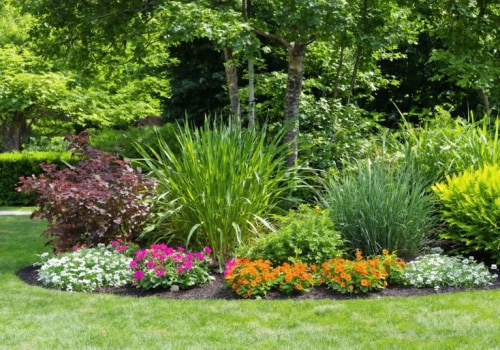
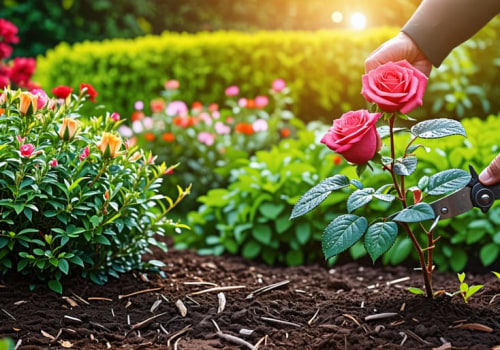
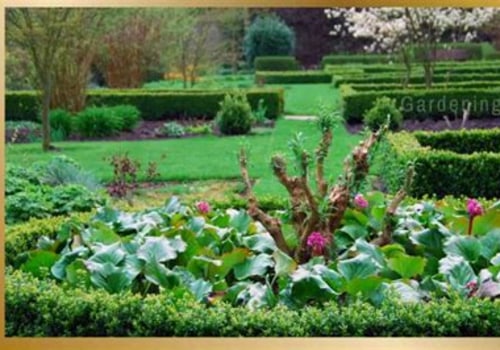
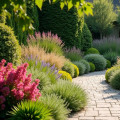
Ornamental gardening is a captivating practice that transforms outdoor spaces into vibrant, aesthetically pleasing environments. This form of gardening focuses on the visual appeal of plants, particularly trees, shrubs, and flowers, rather than their utility. By incorporating a variety of species, gardeners can create stunning landscapes that not only enhance the beauty of their properties but also contribute to the overall ecological health of the area. The significance of ornamental trees in this context cannot be overstated. These trees serve as focal points in gardens, providing structure and height that can dramatically alter the perception of space.
From the delicate blossoms of flowering cherry trees to the majestic canopies of oak trees, each species brings its unique charm and character. Moreover, ornamental trees can offer seasonal interest, showcasing vibrant foliage in the fall or striking bark textures in winter, ensuring that gardens remain visually engaging throughout the year. In addition to their aesthetic contributions, ornamental trees play a crucial role in promoting biodiversity and supporting local wildlife. They provide habitats for birds and insects while also improving air quality and reducing urban heat. As more people seek to create sustainable and beautiful outdoor spaces, understanding the importance of ornamental gardening and the selection of appropriate trees becomes essential for both novice and experienced gardeners alike.
Understanding Ornamental Trees
Ornamental trees are specifically cultivated for their aesthetic appeal rather than for fruit or timber production.These trees play a vital role in enhancing the beauty of gardens, parks, and landscapes, providing visual interest throughout the seasons.One of the defining characteristics of ornamental trees is their diverse range of forms, sizes, and colors. They can vary from small flowering varieties to large shade-providing giants. Common features include:
- Foliage: Many ornamental trees boast unique leaf shapes and colors that change with the seasons, adding dynamic beauty to any garden.
- Flowers: The blossoms of these trees can be spectacular, ranging from delicate cherry blossoms to vibrant magnolia flowers, often attracting pollinators like bees and butterflies.
- Bark: Some species have interesting bark textures or colors that contribute to their ornamental value even in winter.
- Aesthetic Appeal: They enhance the visual landscape, creating focal points and adding layers of color and texture.
- Environmental Benefits: Ornamental trees improve air quality, provide shade, and support local wildlife by offering habitats and food sources.
- Increased Property Value: Well-maintained gardens with attractive trees can significantly boost property values, making them a wise investment for homeowners.
Popular Types of Ornamental Trees
When it comes to ornamental gardening, selecting the right trees can significantly enhance the aesthetic appeal of your landscape.Here are some popular types of ornamental trees that are favored for their beauty and unique characteristics:
- Japanese Maple (Acer palmatum) : Known for its stunning foliage, the Japanese Maple features delicate leaves that change color with the seasons, ranging from vibrant reds to soft greens. This tree thrives in partial shade and well-drained soil, making it ideal for smaller gardens.
- Flowering Dogwood (Cornus florida) : This tree is celebrated for its beautiful spring blooms, which can be white, pink, or red. The Flowering Dogwood prefers moist, well-drained soil and can grow in a variety of light conditions, from full sun to partial shade.
- Crape Myrtle (Lagerstroemia indica) : With its long-lasting summer flowers in shades of pink, purple, and white, the Crape Myrtle is a favorite in southern gardens. It thrives in full sun and is drought-tolerant once established, making it a low-maintenance option.
- Redbud (Cercis canadensis) : This tree is known for its striking pink flowers that bloom in early spring before the leaves appear.
The Redbud prefers well-drained soil and can tolerate a range of light conditions, making it versatile for various garden settings.
- Magnolia (Magnolia grandiflora) : Renowned for its large, fragrant flowers and glossy leaves, the Magnolia adds a touch of elegance to any garden. It thrives in full sun to partial shade and prefers rich, well-drained soil.
Flowering Ornamental Trees
When it comes to ornamental gardening, flowering trees play a pivotal role in enhancing the aesthetic appeal of any landscape.These trees not only provide stunning blooms but also contribute to seasonal interest, making them a favorite among gardeners.Here are some of the best flowering ornamental trees that can transform your garden:
- Cherry Blossom (Prunus serrulata) : Known for their breathtaking pink and white flowers, cherry blossoms are a symbol of spring. Their delicate blooms create a stunning display, attracting pollinators and providing a picturesque backdrop.
- Dogwood (Cornus florida) : With its unique flower structure resembling a cross, the dogwood tree offers beautiful white or pink blooms in spring. Its vibrant foliage in the fall adds to its seasonal interest.
- Magnolia (Magnolia grandiflora) : Renowned for its large, fragrant flowers, the magnolia tree is a showstopper in any garden. Its glossy leaves provide year-round interest, while its blooms herald the arrival of warmer weather.
- Crape Myrtle (Lagerstroemia indica) : This tree is celebrated for its long-lasting summer flowers that come in various colors, including pink, red, and purple.
Crape myrtles also have attractive bark and foliage that change with the seasons.
- Redbud (Cercis canadensis) : The redbud tree is adorned with small, vibrant pink flowers that bloom before the leaves appear. This early spring display is a delightful sight and adds color to gardens when many other plants are still dormant.
Deciduous vs. Evergreen Ornamental Trees
When it comes to ornamental gardening, understanding the differences between deciduous and evergreen ornamental trees is crucial for creating a visually appealing landscape.Each type of tree offers unique characteristics that can enhance your garden design.
Deciduous Ornamental Trees
Deciduous trees are those that shed their leaves annually, typically in the fall. This seasonal change can provide stunning displays of color, making them a popular choice for ornamental gardening. Some notable examples include:- Japanese Maple (Acer palmatum) : Known for its vibrant foliage, this tree offers a range of colors from deep red to bright green.
- Flowering Dogwood (Cornus florida) : This tree features beautiful spring blooms and striking fall colors, adding interest throughout the year.
- Birch (Betula spp.) : With its distinctive white bark and delicate leaves, birch trees provide a unique aesthetic in any garden.
Evergreen Ornamental Trees
Evergreen trees, on the other hand, retain their foliage year-round, providing consistent greenery and structure to the landscape. They are particularly valuable in winter when many deciduous trees are bare.Popular choices include:
- Eastern Red Cedar (Juniperus virginiana) : This hardy tree offers aromatic foliage and can serve as an excellent privacy screen.
- Pine Trees (Pinus spp.) : With various species available, pines can add height and texture to your garden while providing year-round color.
- Holly (Ilex spp.) : Known for its glossy leaves and bright red berries, holly adds festive charm during the winter months.
Key Differences
The primary difference between deciduous and evergreen trees lies in their leaf retention. Deciduous trees offer seasonal beauty with their changing foliage, while evergreens provide constant greenery. When planning your ornamental garden, consider how each type can complement your design:- Seasonal Interest: Incorporate deciduous trees for vibrant fall colors and spring blooms.
- Year-Round Structure: Use evergreens to maintain visual interest during winter months.
- Diversity: A mix of both types can create a dynamic landscape that evolves throughout the year.
Choosing the Right Ornamental Tree for Your Garden
When it comes to choosing ornamental trees for your garden, several key factors should guide your decision-making process. Understanding these elements will help you select trees that not only enhance the beauty of your landscape but also thrive in your specific environment.- Climate: The first consideration is your local climate.
Different trees have varying tolerances to temperature, humidity, and precipitation. For instance, if you live in a region with harsh winters, opt for trees like Japanese Maple or Eastern Redbud, which can withstand colder temperatures.
- Soil Type: The type of soil in your garden plays a crucial role in tree selection. Conduct a soil test to determine pH levels and nutrient content. Trees such as Flowering Dogwood prefer well-drained, acidic soils, while others like Willow thrive in moist conditions.
- Space and Size: Consider the mature size of the tree and the available space in your garden.
A large tree like the Oak may not be suitable for a small yard, whereas smaller varieties like Crape Myrtle can fit nicely into tighter spaces.
- Aesthetic Preferences: Think about the overall design of your garden. Do you prefer a formal look with symmetrical shapes or a more naturalistic style? Trees such as Magnolia offer stunning blooms and a classic appearance, while Pawpaw provides an informal touch with its unique foliage.
- Maintenance Requirements: Some trees require more care than others. If you prefer low-maintenance options, consider trees like Red Maple, which are relatively easy to care for compared to more demanding species.
Caring for Ornamental Trees
Caring for ornamental trees is essential to ensure they thrive and enhance the beauty of your garden.Proper maintenance not only promotes healthy growth but also helps prevent diseases and pest infestations. Here are some key care tips to keep your ornamental trees in top condition:
Watering
Watering is crucial, especially during the first few years after planting. Here are some guidelines:- Deep watering: Ensure that the water penetrates deep into the soil, reaching the root zone. This encourages deep root growth.
- Frequency: Water your trees once a week during dry spells, adjusting based on rainfall and soil moisture levels.
- Mulching: Apply a layer of mulch around the base of the tree to retain moisture and regulate soil temperature.
Pruning
Regular pruning helps maintain the shape and health of your ornamental trees.Follow these tips:
- Timing: Prune during the dormant season, typically late winter or early spring, to minimize stress on the tree.
- Remove dead or diseased branches: This prevents the spread of pests and diseases while promoting better air circulation.
- Shaping: Aim for a balanced shape by selectively removing branches that disrupt symmetry.
Pest Management
Pests can pose a significant threat to ornamental trees. Implement these strategies for effective management:- Regular inspections: Check your trees frequently for signs of pests such as discolored leaves or unusual growths.
- Natural predators: Encourage beneficial insects like ladybugs and lacewings that feed on common pests.
- Pesticides: If necessary, use organic pesticides as a last resort, ensuring they are safe for your ornamental trees.
Common Pests and Diseases Affecting Ornamental Trees
Ornamental trees can significantly enhance the beauty of gardens, but they are also susceptible to various pests and diseases that can compromise their health and aesthetic appeal. Understanding these threats is crucial for maintaining vibrant and thriving landscapes.Common Pests
- Aphids: These small, soft-bodied insects feed on the sap of trees, leading to stunted growth and yellowing leaves. Regular monitoring and the introduction of natural predators like ladybugs can help control their population.
- Spider Mites: Often found in dry conditions, spider mites create fine webs on leaves and cause discoloration.
Increasing humidity around affected trees and using insecticidal soap can mitigate their impact.
- Scale Insects: These pests attach themselves to tree bark and suck sap, weakening the tree. Horticultural oils can be effective in controlling scale populations.
Common Diseases
- Powdery Mildew: This fungal disease appears as a white powdery substance on leaves, affecting photosynthesis. Ensuring proper air circulation and applying fungicides can help manage this issue.
- Canker Diseases: Cankers are localized dead areas on stems or branches caused by fungi or bacteria. Pruning affected areas and maintaining tree vigor through proper care can prevent further spread.
- Root Rot: Often caused by overwatering or poor drainage, root rot leads to wilting and yellowing leaves.
Improving soil drainage and avoiding excessive watering are key preventive measures.
FAQs About Ornamental Gardening with Trees
Ornamental gardening with trees can elevate the aesthetic appeal of any landscape. Here are some frequently asked questions that can help you make informed decisions about your ornamental tree selections and care.What are the best trees for ornamental gardening?
Some popular choices for ornamental trees include:- Japanese Maple - Known for its stunning foliage and graceful form, it adds vibrant colors in spring and fall.
- Cherry Blossom - Famous for its beautiful pink flowers, this tree is a symbol of spring and brings a sense of tranquility.
- Crape Myrtle - With its long-lasting blooms and attractive bark, it provides color throughout the summer months.
- Redbud - This tree features heart-shaped leaves and striking purple flowers, making it a favorite in many gardens.
- Magnolia - Renowned for its large, fragrant flowers, magnolias can be a stunning focal point in any garden.
How do I care for ornamental trees?
Caring for your ornamental trees involves several key practices:- Watering: Ensure your trees receive adequate water, especially during dry spells.
Deep watering encourages strong root development.
- Pruning: Regular pruning helps maintain shape and remove dead or diseased branches. The best time to prune is typically late winter or early spring.
- Pest Management: Keep an eye out for common pests such as aphids or scale. Use organic pesticides or natural remedies to manage infestations.
- Fertilization: Apply a balanced fertilizer in early spring to promote healthy growth. Be cautious not to over-fertilize, as this can harm the tree.
Conclusion: The Beauty of Ornamental Trees in Gardening
In conclusion, the incorporation of ornamental trees into garden designs not only enhances the aesthetic appeal but also contributes to the overall health and biodiversity of the environment.These trees serve as focal points, providing structure and interest throughout the seasons.Throughout this article, we explored various popular species that are commonly used in ornamental gardening, such as:
- Japanese Maple : Known for its stunning foliage and graceful form, it adds a touch of elegance to any garden.
- Cherry Blossom : Celebrated for its breathtaking spring blooms, it creates a picturesque scene that attracts visitors and pollinators alike.
- Dogwood : With its unique flowers and vibrant fall colors, it offers year-round beauty and interest.
- Magnolia : Renowned for its large, fragrant flowers, it brings a sense of grandeur to landscapes.
- Redbud : This tree's early spring blossoms provide a burst of color before many other plants awaken.
Embrace the beauty of ornamental gardening by thoughtfully selecting trees that will thrive in your environment and bring joy for years to come.