In the realm of ornamental gardening, achieving a harmonious balance between sun and shade is not merely a design choice; it is a fundamental principle that significantly impacts plant health and the overall aesthetic of your garden. Understanding the interplay between these two elements is essential for creating a vibrant and thriving landscape. Sunlight is vital for photosynthesis, enabling plants to grow and flourish, while shade provides respite from the harsh midday sun, protecting delicate foliage and maintaining soil moisture. When planning your garden, consider the importance of sun and shade in relation to the specific needs of your plants. Different species have varying light requirements; some thrive in full sun, while others prefer partial or full shade.
By strategically placing plants according to their light preferences, you can create microclimates that enhance their growth and flowering potential. This thoughtful arrangement not only promotes plant health but also contributes to a visually appealing garden layout. Moreover, understanding garden design principles related to sun and shade can elevate your ornamental gardening efforts. For instance, using taller plants to cast shade on shorter ones can create layers of interest while ensuring that all plants receive adequate light. Additionally, incorporating hardscapes like pergolas or trellises can provide filtered sunlight, allowing you to cultivate a diverse range of plants in a single space.
Ultimately, mastering the balance between sun and shade will lead to a more dynamic and sustainable garden that delights the senses throughout the seasons.
Assessing Your Garden's Sunlight and Shade Patterns
Creating a harmonious balance between sun and shade in your ornamental garden begins with a thorough understanding of your garden's unique sunlight and shade patterns. This assessment is crucial for selecting the right plants and ensuring their optimal growth.1.Observe Sunlight Exposure
- Spend a day observing your garden at different times, noting which areas receive direct sunlight and which remain shaded.
- Take note of how the sunlight shifts throughout the day, especially during peak hours (10 AM to 4 PM), when the sun is strongest.
2.Use Tools for Measurement
- Light Meter: A light meter can provide precise measurements of light intensity in different areas of your garden. This tool helps you identify spots that may be too sunny or too shady for certain plants.
- Sun Path Diagram: Create a sun path diagram for your location. This visual representation can help you understand how the sun moves across the sky throughout the seasons.
3.Analyze Shade Patterns
- Identify sources of shade, such as trees, buildings, or fences.
Consider how these structures affect light exposure at various times of the day.
- Note any changes in shade throughout the seasons, as deciduous trees will cast different shadows in summer compared to winter.
4.Document Your Findings
Keep a journal or create a simple chart to document your observations. Include details about sunlight duration, intensity, and shade coverage. This information will be invaluable when planning your ornamental gardening layout.By carefully assessing your garden's sunlight and shade patterns, you can make informed decisions about plant selection and placement, ultimately achieving a balanced and thriving ornamental garden.
Choosing the Right Plants for Sun and Shade Areas
Creating a harmonious ornamental garden requires careful consideration of plant selection based on their sunlight requirements. Understanding which plants thrive in sunny areas versus those that prefer shade is essential for achieving a balanced aesthetic.Plants for Sunny Areas
When selecting plants for sunny spots, look for species that can withstand direct sunlight and heat. Here are some excellent choices:- Lavender: Known for its fragrant blooms and drought resistance, lavender adds a touch of elegance to sunny gardens.
- Daylilies: These hardy perennials come in various colors and are perfect for bright locations.
- Coreopsis: With its vibrant yellow flowers, coreopsis is a low-maintenance option that thrives in full sun.
- Salvia: This plant not only attracts pollinators but also offers long-lasting blooms in sunny areas.
Shade-Tolerant Plants
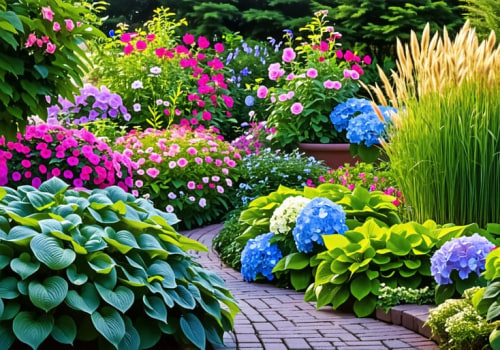
For areas that receive limited sunlight, it’s crucial to choose plants that can flourish in the shade. Consider the following shade-tolerant options:- Hostas: Renowned for their lush foliage, hostas come in various sizes and colors, making them ideal for shaded spots.
- Astilbe: This perennial produces feathery plumes and thrives in moist, shady conditions.
- Ferns: With their delicate fronds, ferns add texture and greenery to shaded areas.
- Heuchera: Also known as coral bells, these plants offer colorful foliage and are perfect for partial shade.
Designing Your Garden Layout for Optimal Balance
Creating a harmonious balance between sun and shade in your ornamental garden begins with thoughtful garden layout design.The placement of plants, pathways, and structures can significantly influence how sunlight and shade interact within your space. Here are some essential tips to consider:
- Assess Sunlight Patterns: Before planting, observe how sunlight moves across your garden throughout the day. Identify areas that receive full sun, partial shade, and full shade. This will help you determine the best locations for different plants.
- Layering Plants: Use a layering technique by placing taller plants in the back or center of your garden beds, with medium-height plants in the middle and shorter ones at the front.
This not only creates visual interest but also allows sunlight to reach all plants effectively.
- Utilize Hardscaping: Incorporate paths, patios, or trellises to create shaded areas. These structures can provide relief from the sun while also serving as focal points in your ornamental garden.
- Choose Complementary Plants: Select plants that thrive in their designated light conditions. For sunny spots, consider vibrant flowers like daylilies or coneflowers, while shade-loving options like hostas or ferns can flourish in darker areas.
- Create Microclimates: Use trees or shrubs to create microclimates within your garden. These can provide dappled sunlight and cooler temperatures, allowing you to grow a wider variety of plants.
This not only enhances the aesthetic appeal of your ornamental garden, but also promotes healthy plant growth and biodiversity.
Incorporating Hardscaping Elements to Enhance Sun and Shade Balance
Incorporating hardscaping elements into your ornamental garden is a strategic way to create a harmonious balance between sun and shade. These features not only serve functional purposes but also enhance the overall aesthetic appeal of your garden.Pergolas
are an excellent choice for providing partial shade while allowing dappled sunlight to filter through. By strategically placing climbing plants such as wisteria or clematis on the pergola, you can create a lush, green canopy that offers relief from the sun during hot summer days.Trellises
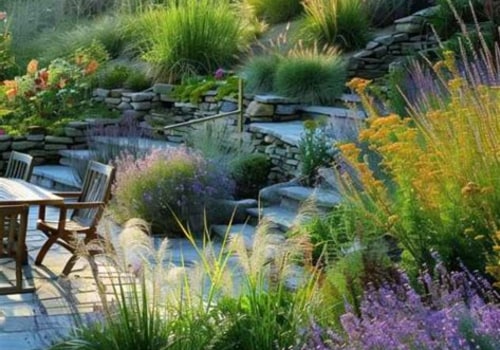
can also be utilized to support climbing plants, creating vertical gardens that add depth and interest. Positioning trellises in areas that receive intense sunlight can help to diffuse the harsh rays, providing a cooler microclimate for nearby plants.Another effective hardscaping element is the use of pathways.By incorporating materials like stone or gravel, you can define walking areas while simultaneously creating shaded spots alongside them. Consider planting low-growing ground covers or shade-tolerant plants along these pathways to enhance the visual appeal and provide additional cooling effects.Additionally, garden features such as benches or gazebos can serve as focal points while offering shaded retreats. These structures encourage relaxation and enjoyment of your garden space, making it a perfect spot for reading or entertaining guests.In summary, by thoughtfully integrating hardscaping elements like pergolas, trellises, pathways, and garden features, you can effectively manage sun exposure in your ornamental garden. This not only promotes plant health but also creates inviting spaces for you to enjoy throughout the seasons.
Maintaining Your Ornamental Garden's Sun and Shade Balance
Maintaining a harmonious balance between sun and shade in your ornamental garden is crucial for the health and vitality of your plants.This balance can shift with the seasons, requiring ongoing attention and adjustments to your garden maintenance practices.
Regular Monitoring
- Keep an eye on how sunlight moves across your garden throughout the day. This will help you identify areas that may become too shaded or overly exposed as the seasons change.
- Observe your plants for signs of stress, such as wilting or yellowing leaves, which can indicate they are not receiving the right amount of light.
Seasonal Adjustments
- In spring, as new growth emerges, consider pruning back overgrown trees or shrubs that may cast excessive shade on sun-loving plants.
- During summer, monitor the moisture levels in shaded areas, as they may retain water longer than sunnier spots. Adjust your watering schedule accordingly to prevent root rot.
- As fall approaches, be prepared to reposition potted plants to take advantage of the lower sun angle, ensuring they receive adequate light before winter.
Plant Selection and Placement
- Choose a mix of shade-tolerant and sun-loving plants to create a diverse ecosystem that thrives in varying light conditions.
- When planting new specimens, consider their mature size and light requirements to avoid overcrowding and competition for sunlight.
Mulching and Soil Health
- Apply mulch in both sunny and shady areas to help retain moisture and regulate soil temperature, which is vital for plant health.
- Regularly test your soil to ensure it remains nutrient-rich and well-draining, adjusting your fertilization practices based on seasonal needs.
Common Mistakes to Avoid When Balancing Sun and Shade
Creating a harmonious balance between sun and shade in ornamental gardening can be challenging, and many gardeners fall into common traps that can hinder their success. Here are some frequent mistakes to avoid:- Ignoring Sunlight Patterns: One of the biggest errors is not observing how sunlight moves across your garden throughout the day.
Failing to account for seasonal changes can lead to poor plant placement.
- Overplanting in Shady Areas: Many gardeners mistakenly believe that shady spots can accommodate any plant. However, overcrowding can lead to competition for nutrients and water, ultimately harming your plants.
- Choosing Incompatible Plants: Selecting plants that have vastly different light requirements can create an imbalance. For instance, pairing sun-loving flowers with shade-tolerant foliage may result in one group thriving while the other struggles.
- Neglecting Soil Quality: The soil in shaded areas often differs from sunny spots. Not amending the soil appropriately can lead to poor growth.
Always test and improve soil quality based on the specific needs of your plants.
- Forgetting About Microclimates: Each garden has unique microclimates influenced by structures, trees, and other elements. Ignoring these can lead to misjudging where sun and shade are most effective.
FAQs About Balancing Sun and Shade in Ornamental Gardening
When it comes to ornamental gardening, achieving a harmonious balance between sun and shade is crucial for the health and beauty of your plants. Here are some frequently asked questions that can help you navigate this aspect of gardening:- What types of plants thrive in full sun?
Many ornamental plants prefer full sun, which typically means at least six hours of direct sunlight per day.Examples include lavender, salvia, and coneflowers. These plants not only flourish in bright conditions but also add vibrant colors to your garden.
- Which plants are best suited for shady areas?
In shaded spots, consider planting hostas, ferns, and astilbes. These plants are adapted to lower light conditions and can bring texture and color to darker corners of your garden. - How can I create a transition between sun and shade?
To create a smooth transition, use a mix of plants that can tolerate both conditions. For instance, partial shade plants like bleeding hearts or heucheras can serve as a bridge between sunny and shady areas. - What is the importance of microclimates in my garden?
Microclimates are small areas within your garden that may have different light, moisture, or temperature conditions.Understanding these can help you place your plants more effectively, ensuring that each one receives the right amount of sun or shade.
- Can I use structures to manage sunlight?
Absolutely! Structures like pergolas, trellises, or even strategically placed trees can provide necessary shade for delicate plants while allowing sunlight to filter through for those that thrive in partial shade.
Conclusion: Creating a Harmonious Ornamental Garden Environment
In conclusion, achieving a sense of balance between sun and shade is essential for creating a thriving ornamental garden. Throughout this article, we have explored various strategies that can help you cultivate a harmonious environment where plants can flourish. First and foremost, understanding the specific light requirements of your chosen plants is crucial. By selecting species that thrive in either full sun or partial shade, you can ensure that each plant receives the optimal conditions for growth. Additionally, incorporating layered planting techniques can create a natural transition between sunny and shaded areas, enhancing the overall aesthetic of your garden. Moreover, utilizing structures such as pergolas, trellises, or strategically placed trees can provide necessary shade while also adding visual interest.These elements not only protect delicate plants from harsh sunlight but also create inviting spaces for relaxation and enjoyment. It’s also important to consider the seasonal changes in sunlight. As the sun’s angle shifts throughout the year, so too will the patterns of light and shade in your garden. Regularly assessing these changes allows you to make informed decisions about plant placement and maintenance. Finally, remember that balance is not just about light; it’s about creating a diverse ecosystem. Incorporating a variety of plants with different textures, colors, and growth habits will enhance the beauty of your ornamental garden while promoting biodiversity. By thoughtfully combining these elements, you can create an ornamental garden that not only looks stunning but also thrives in its unique environment.
Embrace the interplay of sun and shade to cultivate a space that is both beautiful and sustainable.