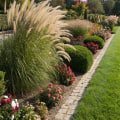
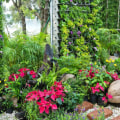
Ornamental gardening is a captivating art form that transforms outdoor spaces into vibrant displays of color, texture, and shape. Unlike traditional gardening, which often focuses on functionality and food production, ornamental gardening emphasizes aesthetics, creating visually appealing landscapes that enhance the beauty of homes and public areas. This practice not only showcases a variety of plants but also incorporates design elements that can evoke emotions and inspire tranquility. The significance of ornamental gardening extends beyond mere decoration; it plays a crucial role in improving mental well-being and fostering a connection with nature. Engaging with these gardens can reduce stress, promote relaxation, and even encourage physical activity.
Furthermore, the thoughtful arrangement of plants and features can create a harmonious environment that attracts wildlife, contributing to biodiversity. One of the most exciting aspects of ornamental gardening is the ability to incorporate different shapes into the design. From geometric patterns to organic forms, the use of various shapes can dramatically influence the overall aesthetic and functionality of a garden. By understanding how to blend these shapes effectively, gardeners can create unique spaces that not only please the eye but also serve as a sanctuary for reflection and enjoyment.
The Importance of Shapes in Garden Design
In the realm of ornamental gardening, the use of shapes plays a pivotal role in creating visually appealing landscapes. Shapes not only define the structure of a garden but also influence the overall aesthetic and emotional response it evokes.Understanding the importance of shapes in garden design can significantly enhance the visual impact and harmony of your outdoor space.
Visual Interest
: Incorporating various shapes into your garden can create focal points that draw the eye and maintain interest. For instance, a circular flower bed surrounded by angular pathways can create a striking contrast that captivates visitors. By mixing geometric shapes with organic forms, such as rounded shrubs or flowing flower beds, you can achieve a dynamic interplay that keeps the garden engaging.Flow and Movement
: The arrangement of shapes can guide movement through the garden. Curved paths encourage exploration, while straight lines can create a sense of order and formality.By strategically placing different shapes, you can lead visitors on a journey through your garden, allowing them to experience various perspectives and views. This flow is essential for creating an inviting atmosphere.
Overall Harmony
: Shapes contribute to the overall harmony of a garden design. A well-balanced combination of shapes—whether they are soft and rounded or sharp and angular—can create a cohesive look that feels intentional and thoughtfully designed. For example, pairing tall, vertical elements like spiky plants with low, sprawling ground covers can establish a pleasing contrast that enhances the garden's depth.In summary, understanding the significance of shapes in garden design principles is crucial for any ornamental gardener.By thoughtfully incorporating different shapes, you can enhance visual interest, improve flow, and achieve overall harmony in your garden space.
Incorporating Geometric Shapes
Incorporating geometric shapes into your ornamental garden can create a visually striking and harmonious landscape. By using shapes such as squares, circles, and triangles, you can establish a sense of order and balance that enhances the overall aesthetic of your garden.Using Squares and Rectangles
Squares and rectangles are excellent for creating structured garden beds. These shapes can be used to define specific areas within your garden, such as a vegetable patch or a flower bed. For instance, consider planting a rectangular bed filled with vibrant annuals bordered by low-growing herbs.This not only adds color but also provides functional benefits.
Incorporating Circles
Circular designs can introduce a softer element to your garden. A circular flower bed surrounded by a path can serve as a focal point, drawing the eye and inviting visitors to explore further. You might also consider using circular seating areas or fire pits to create cozy gathering spots that encourage relaxation amidst the beauty of your plants.Triangles for Dynamic Layouts
Triangles can add dynamism to your garden design. By arranging plants in triangular formations, you can create visual interest and movement.For example, place taller plants at the apex of the triangle and gradually decrease the height of plants towards the base. This layering effect not only enhances visibility but also allows for better light penetration.
Practical Tips for Implementation
- Plan Your Layout: Before planting, sketch out your design on paper to visualize how different shapes will interact.
- Use Pathways: Incorporate pathways that follow geometric lines to guide visitors through your garden.
- Mix Shapes: Don’t hesitate to combine different geometric shapes for a more eclectic look while maintaining balance.
- Consider Scale: Ensure that the size of your geometric features is proportionate to the overall space of your garden.
Utilizing Organic Shapes for a Natural Look
Incorporating organic shapes into your ornamental garden can significantly enhance its aesthetic appeal, creating a more harmonious and natural environment. Unlike rigid geometric designs, organic shapes mimic the fluidity found in nature, allowing for a more relaxed and inviting atmosphere.One effective way to achieve this is by using curves in your garden layout.Instead of straight lines, consider designing winding pathways that meander through your garden. This not only encourages exploration but also softens the overall look of the space. Curved borders for flower beds can also help to break up the monotony of straight edges, making the garden feel more dynamic.
Incorporating Flowing Lines
Flowing lines can be introduced through various elements:- Plant Selection: Choose plants with naturally curved forms, such as ornamental grasses or cascading vines, which can enhance the organic feel.
- Water Features: Incorporate ponds or streams with gentle curves that reflect the surrounding landscape, adding to the naturalistic vibe.
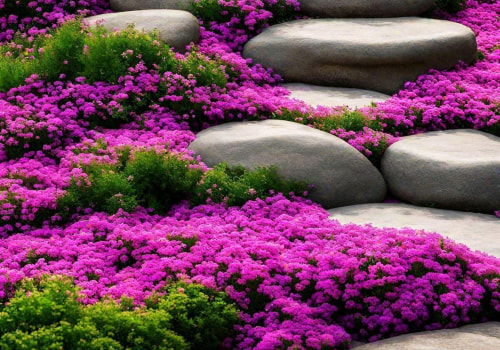
- Hardscaping: Use materials like stone or wood to create rounded benches or circular patios that invite relaxation and interaction.
This technique not only draws the eye through the garden but also enhances the organic shapes you are aiming to achieve.Finally, remember that natural garden design is about balance. While incorporating curves and flowing lines, ensure that there is still a sense of cohesion among different elements. By thoughtfully integrating these organic shapes, you can transform your ornamental garden into a serene retreat that feels both inviting and alive.
Incorporating Vertical Elements and Shapes
Incorporating vertical elements into your ornamental garden can dramatically enhance its visual appeal and create a sense of depth. By utilizing structures such as trellises, obelisks, and arbors, you can introduce new shapes and dimensions that draw the eye upward, making your garden feel more expansive.Utilizing Trellises
Trellises are versatile structures that can support climbing plants while adding height to your garden.They come in various designs, from simple wooden frames to intricate metalwork. When selecting a trellis, consider the following:
- Material: Choose materials that complement your garden's aesthetic, such as rustic wood for a cottage garden or sleek metal for a modern look.
- Plant Selection: Opt for climbing plants like clematis, honeysuckle, or climbing roses that will thrive on the trellis and provide seasonal blooms.
- Placement: Position your trellis in a spot where it can catch sunlight and be visible from key vantage points in your garden.
Adding Obelisks
Obelisks serve as striking focal points in an ornamental garden. These tall, four-sided pillars can be made from various materials, including wood, metal, or stone. Here’s how to effectively use obelisks:- Height Variation: Place obelisks at different heights to create layers within your garden.
This variation adds interest and encourages exploration.
- Plant Pairing: Use them to support vigorous climbers like wisteria or sweet peas, which will cascade beautifully down the sides.
- Design Harmony: Ensure that the style of the obelisk matches other elements in your garden, such as fences or furniture, to maintain a cohesive look.
Creating Focal Points with Shape Variation
Incorporating different shapes into your ornamental garden can significantly enhance its visual appeal and create captivating focal points. By strategically placing plants and structures of varying shapes and sizes, you can draw the eye and create a sense of harmony and balance.Utilizing Plant Shapes
- Tall, Vertical Plants: Incorporate tall plants like delphiniums or sunflowers to create height. These can serve as natural sentinels that guide the viewer's gaze upward.
- Round and Mounding Plants: Use round or mounding plants such as boxwoods or sedums to provide a soft contrast to taller specimens.
Their rounded shapes can help soften the overall look of the garden.
- Spiky or Architectural Plants: Integrate spiky plants like agave or ornamental grasses. Their unique shapes add texture and interest, creating a dynamic visual experience.
Incorporating Structures
- Sculptures and Statues: Adding sculptures or statues in various shapes can serve as striking focal points. Choose pieces that complement the garden's theme while introducing an artistic element.
- Trellises and Arches: Use trellises or arches to create vertical interest. These structures can support climbing plants, adding layers of shape and dimension to your garden.
- Paving Stones and Pathways: Consider using differently shaped paving stones to create pathways.
Curved paths can lead visitors through the garden, while geometric patterns can add a modern touch.
Using Pathways and Borders to Define Shapes
Incorporating pathways and borders into your ornamental garden is a powerful way to define shapes and guide movement throughout the space. Thoughtfully designed pathways can create a sense of flow, while borders can delineate different areas, enhancing the overall aesthetic.Garden Pathways Design
- Curved Pathways: These pathways can soften the landscape, leading visitors on a gentle journey through the garden.
Curves can mimic natural forms and create a sense of discovery.
- Straight Pathways: Ideal for modern gardens, straight pathways provide a clean, structured look. They can be used to connect key areas, such as seating spaces or focal points.
- Geometric Shapes: Incorporating geometric designs, such as circles or squares, can add a contemporary flair. For example, a circular pathway can lead to a central feature like a fountain or sculpture.
- Plant Borders: Use low-growing plants or hedges to create defined edges. This not only adds color and texture but also helps to frame different sections of the garden.
- Hardscape Borders: Materials like stone, brick, or wood can be used to create physical boundaries.
These borders can enhance the shape of your garden beds and pathways while providing durability.
Incorporating Water Features with Shape Considerations
Incorporating water features into an ornamental garden not only enhances the aesthetic appeal but also introduces a sense of tranquility.The shape of these features plays a crucial role in achieving harmony within the garden's design. Here are some considerations for designing water features with various shapes:
- Ponds: The shape of a pond can significantly influence the overall look of your garden. Round ponds create a soft, inviting atmosphere, while rectangular or square ponds can lend a more formal and structured feel. Consider using organic shapes that mimic natural bodies of water to enhance the tranquility of your space.
- Fountains: Fountains come in various designs, from classic tiered structures to modern minimalist styles.
A circular fountain can serve as a focal point, drawing the eye and creating a sense of movement, while a linear fountain can complement long pathways or garden borders.
- Streams: Incorporating a meandering stream can add dynamic flow to your garden. The winding shape not only mimics natural waterways but also encourages exploration and interaction with the landscape.
The choice of materials will also affect the overall aesthetic and maintenance requirements.Ultimately, the goal is to create a cohesive look that integrates water features seamlessly into your ornamental gardening scheme. By thoughtfully considering the shapes of ponds, fountains, and streams, you can elevate your garden into a tranquil retreat that captivates the senses.
FAQs About Incorporating Shapes into Ornamental Gardens
Incorporating different shapes into your ornamental garden can elevate its aesthetic appeal and create a more engaging environment. Here are some frequently asked questions that can guide you in this creative process:What shapes work best in ornamental gardening?
When designing an ornamental garden, consider using a mix of geometric and organic shapes. Geometric shapes, such as circles, squares, and triangles, can provide structure and symmetry.In contrast, organic shapes, like curves and flowing lines, can create a more natural and relaxed atmosphere. Combining these shapes can lead to a visually dynamic garden.
How can I use pathways to incorporate shapes?
Pathways are an excellent way to introduce shape into your garden design. Consider using:- Circular paths that lead to a focal point, such as a sculpture or a seating area.
- Curved walkways that mimic the natural flow of the landscape.
- Angular paths that create distinct sections within the garden.
What tips do you have for beginners?
If you're new to ornamental gardening, here are some tips to help you incorporate shapes effectively:- Start small: Begin with a few key shapes and expand as you gain confidence.
- Use plants strategically: Choose plants with varying heights and forms to emphasize different shapes.
- Experiment with containers: Use pots in various shapes to add interest at different levels.
Conclusion: Embracing Shapes for a Stunning Ornamental Garden
In conclusion, incorporating various shapes into your ornamental garden is essential for creating a visually stunning and harmonious outdoor space. By thoughtfully selecting and arranging different geometric forms, you can enhance the overall aesthetic appeal and create focal points that draw the eye. Throughout this article, we explored several effective strategies for integrating shapes into your garden design:- Utilizing geometric patterns: Incorporating straight lines, circles, and triangles can add structure and organization to your garden layout.
- Mixing plant shapes: Combining plants with varying leaf shapes and growth habits can create dynamic contrasts that enliven the space.
- Incorporating hardscaping elements: Pathways, patios, and raised beds in different shapes can serve as functional yet decorative features that enhance the garden's design.
- Using containers: Planters in unique shapes can add vertical interest and allow for creative arrangements of plants.
Remember that the key to successful ornamental gardening lies in experimentation and personalization. Don’t hesitate to mix and match different elements until you find the perfect combination that reflects your style and vision. Ultimately, a well-designed ornamental garden is a reflection of creativity and passion. By incorporating various shapes, you can transform your outdoor space into a breathtaking sanctuary that invites relaxation and enjoyment.