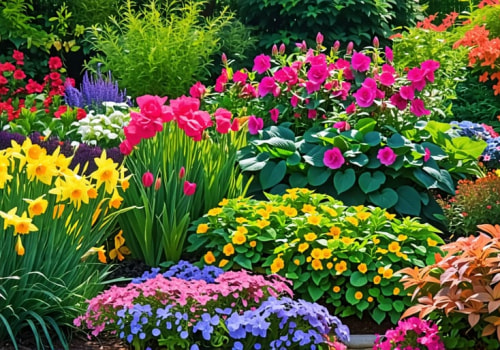
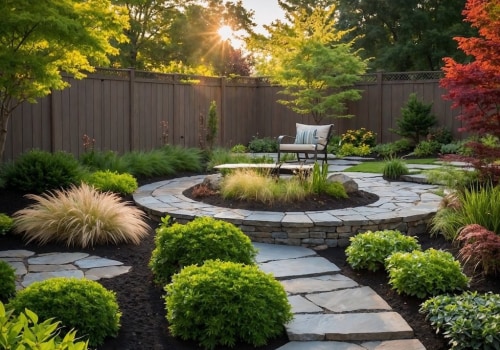
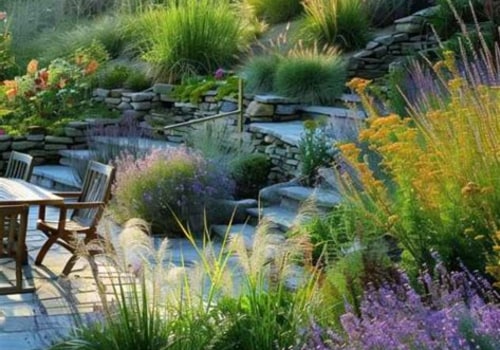
Ornamental gardening is a captivating form of landscape design that focuses on the aesthetic appeal of plants and garden features rather than their utility. Unlike traditional vegetable or herb gardens, which prioritize functionality, ornamental gardening emphasizes beauty, color, and texture to create visually stunning outdoor spaces. This style of gardening allows for a wide range of creative expression, enabling gardeners to curate environments that reflect their personal tastes and the natural beauty of their surroundings. The importance of ornamental gardening extends beyond mere aesthetics; it plays a crucial role in enhancing the overall ambiance of a space. Well-designed ornamental gardens can transform ordinary backyards into serene retreats, promote biodiversity by attracting various pollinators, and even increase property value.
By incorporating diverse plant species, unique structures, and thoughtful layouts, gardeners can create harmonious landscapes that invite exploration and relaxation. As we delve deeper into the art of ornamental gardening, understanding how to create a sense of rhythm within these spaces becomes essential. Rhythm in garden design refers to the visual flow and movement created through the arrangement of plants and features. This concept not only enhances the beauty of the garden but also guides visitors through the space, making their experience more engaging and enjoyable. In the following sections, we will explore practical techniques for establishing rhythm in your ornamental garden, ensuring that your outdoor sanctuary is both inviting and aesthetically pleasing.
The Concept of Rhythm in Garden Design
In the realm of ornamental gardening, the concept of rhythm plays a pivotal role in shaping the overall aesthetic and emotional experience of a garden.Rhythm in garden design refers to the visual flow and harmony created through the repetition and arrangement of elements such as plants, pathways, and structures. This rhythmic quality can evoke feelings of tranquility, excitement, or even surprise, depending on how it is implemented.To understand the importance of rhythm in gardens, consider how it influences the viewer's journey through the space. A well-designed garden guides visitors along a path, encouraging them to explore and appreciate various features. This is achieved by strategically placing plants and hardscape elements at intervals that create a sense of movement.
For instance, alternating tall and short plants can lead the eye upward and downward, establishing a dynamic visual experience.
Types of Rhythm in Landscaping
- Repetition: Using the same plant species or color scheme at regular intervals can create a cohesive look that ties different areas of the garden together.
- Alternation: Alternating between different types of plants or materials can add interest while maintaining a sense of order.
- Progression: Gradually changing plant sizes or colors as one moves through the garden can enhance the feeling of depth and dimension.
Elements That Contribute to Rhythm in Ornamental Gardens
Creating a sense of rhythm in ornamental gardening involves a careful selection of various elements that work together to establish a cohesive and inviting atmosphere. Here are some key components that contribute to this rhythmic quality:- Plant Selection: The choice of plants is fundamental in establishing rhythm.
Consider using a mix of perennials and annuals that bloom at different times throughout the season. This not only ensures continuous color but also creates a visual flow as plants transition through their life cycles.
- Color Schemes: A well-thought-out color palette can significantly enhance the rhythm of your garden. Use a combination of complementary and analogous colors to create harmony. For instance, planting clusters of the same color can draw the eye and lead it through the garden, while contrasting colors can add excitement and energy.
- Layout and Structure: The physical arrangement of plants and garden features plays a crucial role in establishing rhythm.
Consider using repeating patterns or shapes, such as circular beds or linear pathways, to guide visitors through the space. Incorporating elements like trellises or arches can also create vertical interest and lead the eye upward, adding another layer to the rhythmic experience.
- Texture Variation: Mixing plants with different textures—such as smooth leaves alongside feathery ferns—can create a dynamic visual experience. This variation not only adds depth but also encourages exploration within the garden.
- Seasonal Changes: Incorporating plants that change with the seasons can enhance rhythm over time. For example, spring bulbs give way to summer blooms, followed by autumn foliage, creating an evolving tapestry that keeps the garden lively throughout the year.
Using Repetition to Establish Rhythm
Creating a sense of rhythm in your ornamental garden can be achieved through the strategic use of repetition.This design principle not only enhances the visual appeal but also fosters a sense of harmony and flow throughout the space. By repeating certain elements, you can guide the eye and create a cohesive look that feels intentional and well-planned.
Benefits of Repetition in Ornamental Gardening
- Visual Cohesion: Repetition helps unify different areas of the garden, making it feel like a single, harmonious space.
- Enhanced Focus: By repeating specific plants or features, you draw attention to key areas, creating focal points that invite exploration.
- Improved Flow: A rhythmic pattern can lead visitors through the garden, encouraging them to engage with various elements in a natural progression.
How to Use Repetition in Gardens
- Select Key Plants: Choose a few standout plants that will serve as the backbone of your design. For instance, using the same type of flowering perennial at regular intervals can create a stunning visual effect.
- Incorporate Hardscape Elements: Repeating features such as pathways, benches, or decorative stones can enhance the rhythm. For example, placing identical benches along a path encourages rest and reflection.
- Vary Heights and Textures: While repetition is key, varying the heights and textures of repeated elements can add depth.
Consider pairing tall grasses with shorter flowering plants for an engaging contrast.
Creating Contrast and Variation for Dynamic Rhythm
Creating a sense of rhythm in an ornamental garden is not solely about the repetition of elements; it also involves the strategic use of contrast and variation. These two principles can significantly enhance the visual appeal and dynamism of your landscape, making it more engaging for visitors.Contrast in Garden Design
Contrast can be achieved through the use of different plant shapes, colors, and textures. For instance, pairing broad-leaved plants with fine-textured grasses can create a striking visual effect.
Similarly, using vibrant flowers against a backdrop of lush green foliage can draw the eye and create focal points throughout the garden. Consider incorporating plants with contrasting colors, such as deep purples alongside bright yellows, to evoke a sense of energy and excitement.
Variation in Ornamental Gardens
Variation is equally important in maintaining interest. This can be accomplished by mixing different species of plants that bloom at various times throughout the season. By selecting plants that offer a range of heights, colors, and forms, you can create layers within your garden that add depth and intrigue.
For example, tall sunflowers can provide height while low-growing ground covers fill in the spaces below, creating a harmonious yet varied landscape.
Dynamic Rhythm in Landscaping
The interplay between contrast and variation fosters a dynamic rhythm that keeps the garden lively. To achieve this balance, consider using repetition strategically. Repeating certain elements—such as a specific color or type of plant—can tie different areas of the garden together while still allowing for variation. This repetition creates a cohesive look while maintaining visual interest through contrast.In summary, by thoughtfully incorporating contrast and variation into your ornamental gardening design, you can create a vibrant and dynamic rhythm that captivates the senses and invites exploration.
Remember to balance these elements with repetition to ensure your garden remains cohesive yet exciting.
Incorporating Pathways and Structures for Flow
Creating a sense of rhythm in an ornamental garden is significantly influenced by the design of pathways and structural elements. These features not only guide visitors through the space but also establish a visual flow that enhances the overall aesthetic.Garden Pathways Design
- Material Selection: Choose materials that complement the garden's theme. Natural stone, gravel, or brick can create a rustic feel, while concrete or pavers may lend a more modern touch.
- Curvature and Shape: Incorporate gentle curves in pathways to create a sense of movement. Straight paths can be effective for formal gardens, but meandering paths often evoke a more relaxed atmosphere.
- Width and Scale: Ensure pathways are wide enough to accommodate foot traffic comfortably.
A narrow path can create intimacy, while wider paths can enhance openness and accessibility.
Structures in Ornamental Gardens
- Arbors and Trellises: These structures can serve as focal points while also guiding the eye upward, adding vertical interest and creating layers within the garden.
- Seating Areas: Incorporating benches or seating nooks along pathways encourages visitors to pause and appreciate the surroundings, enhancing the rhythm of movement through the garden.
- Water Features: Ponds or fountains can act as auditory landmarks, providing soothing sounds that draw visitors further into the garden while also contributing to its overall flow.
Seasonal Changes and Their Impact on Garden Rhythm
Seasonal changes play a crucial role in shaping the visual rhythm of an ornamental garden. Each season brings its own palette of colors, textures, and forms, which can either enhance or disrupt the overall harmony of your garden. Understanding these seasonal shifts is essential for maintaining a cohesive design throughout the year.Spring
is often the most vibrant season, as new growth emerges and flowers begin to bloom.
To create a sense of rhythm during this time, consider planting a variety of early bloomers such as tulips, daffodils, and hyacinths. These plants can be arranged in clusters to draw the eye and create focal points. Additionally, incorporating evergreens can provide structure and continuity as other plants transition.As we move into summer , the garden can become lush and full. This is an excellent time to introduce plants with varying heights and textures.
Tall perennials like delphiniums or hollyhocks can add vertical interest, while lower-growing ground covers can help unify the space. To maintain rhythm, consider using a consistent color scheme or repeating certain plant varieties throughout different areas of the garden.In autumn , foliage begins to change, offering a new set of colors that can enhance your garden's rhythm. Incorporating plants that exhibit vibrant fall colors, such as maples or ornamental grasses, can create a stunning display. Additionally, consider adding seasonal decorations like pumpkins or gourds to maintain visual interest.Finally, during winter , many gardens may appear bare; however, this season offers an opportunity to focus on structure and form.
Evergreens and winter-blooming plants like hellebores can provide life during the colder months. Using hardscaping elements such as stone paths or sculptures can also help maintain a sense of rhythm when plant life is minimal.To effectively manage these seasonal transitions and maintain harmony in your ornamental gardening, consider creating a seasonal plan that outlines which plants will be featured at different times of the year. This proactive approach allows you to anticipate changes and ensure that your garden remains visually appealing throughout all seasons.
Common Mistakes to Avoid When Creating Rhythm
Creating a sense of rhythm in ornamental gardening can be a rewarding endeavor, but many gardeners fall into common traps that disrupt the flow and harmony of their designs. Here are some mistakes to avoid:- Neglecting Scale and Proportion: One of the most frequent errors is using plants that are not proportionate to the space.
For instance, placing a large shrub next to tiny perennials can create visual dissonance. Always consider the mature size of plants and how they will interact with one another.
- Inconsistent Planting Patterns: A lack of repetition in plant types or colors can lead to a chaotic appearance. To establish rhythm, choose a few key plants and repeat them throughout the garden. This creates a cohesive look that guides the eye.
- Ignoring Seasonal Changes: Failing to account for seasonal variations can disrupt the rhythm you aim to achieve.
Select plants that bloom at different times or have varying foliage colors throughout the year to maintain interest and continuity.
- Overcrowding: While it may be tempting to fill every available space, overcrowding can lead to competition for resources and an unkempt appearance. Ensure adequate spacing between plants to allow for growth and airflow.
- Lack of Focal Points: Every garden needs a focal point to draw the eye and create a sense of direction. Without one, your garden may feel aimless. Consider incorporating sculptures, water features, or unique plant arrangements as focal points.
FAQs About Creating Rhythm in Ornamental Gardens
Creating a sense of rhythm in your ornamental garden can transform it into a harmonious and visually appealing space.Here are some frequently asked questions that can guide you in achieving this:
- What is rhythm in ornamental gardening?
Rhythm in gardening refers to the visual flow and movement created by the arrangement of plants, colors, and textures. It helps to guide the viewer's eye through the garden, creating a cohesive experience. - How can I establish rhythm in my garden?
You can establish rhythm by repeating certain elements such as plant types, colors, or shapes at regular intervals. For example, planting clusters of the same flower variety at different points can create a sense of continuity. - What role does color play in creating rhythm?
Color is crucial in establishing rhythm. Using a limited color palette and repeating those colors throughout your garden can create a unified look.Consider using contrasting colors to draw attention to specific areas while maintaining overall harmony.
- Are there specific plants that enhance rhythm?
Yes! Plants with similar heights or foliage can enhance rhythm. For instance, using tall grasses alongside shorter flowering plants can create layers that guide the eye upward and add depth. - How important is spacing in ornamental gardening?
Spacing is vital for creating rhythm. Proper spacing allows each plant to shine while contributing to the overall design. Too close together can lead to chaos, while too far apart may disrupt the flow.
Conclusion: Harmonizing Your Ornamental Garden Design
In conclusion, creating a sense of rhythm in your ornamental garden is essential for achieving a harmonious and visually appealing landscape.Throughout this article, we have explored various techniques that can help you establish this rhythm, ensuring that your garden not only captivates the eye but also provides a sense of flow and continuity. To summarize the key points:
- Repetition of plants, colors, and materials can create a cohesive look that guides the viewer's eye through the garden.
- Utilizing focal points strategically can enhance the rhythm by drawing attention to specific areas, encouraging exploration and engagement.
- Incorporating varied textures and heights adds depth and interest, contributing to the overall rhythm of the space.
- Consider the seasonal changes in your garden; planning for year-round interest ensures that the rhythm remains dynamic and engaging.