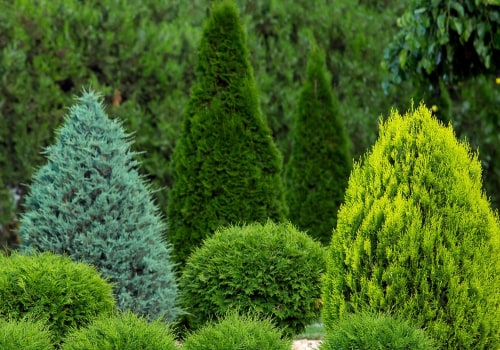
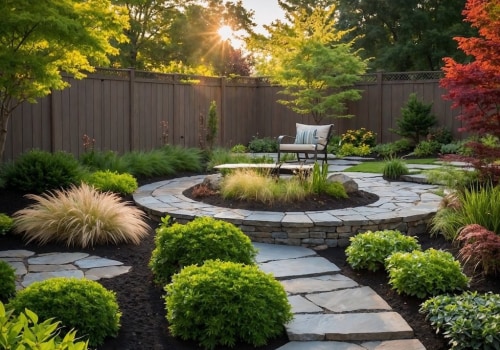
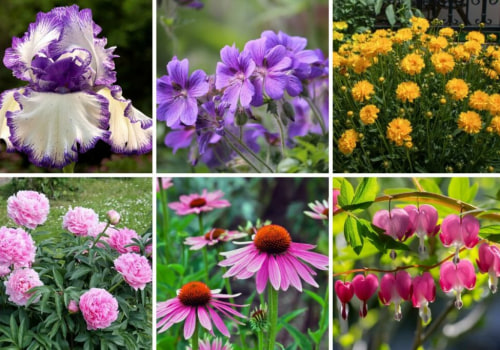
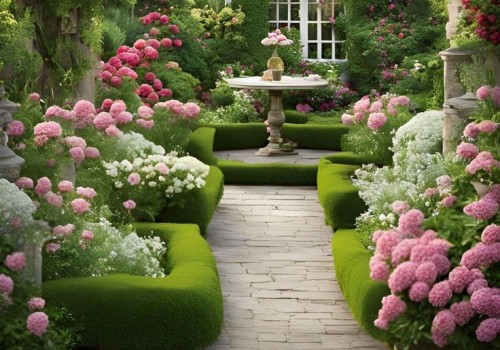
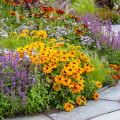
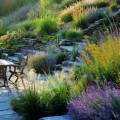
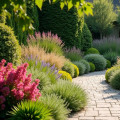
Ornamental gardening is a captivating form of horticulture that focuses on the aesthetic appeal of plants and landscapes. Unlike traditional gardening, which often prioritizes functionality and food production, ornamental gardening emphasizes beauty, design, and the emotional impact of green spaces. This practice allows gardeners to express their creativity through the selection of various plants, flowers, and decorative elements, transforming ordinary spaces into vibrant sanctuaries. The significance of ornamental gardening extends beyond mere visual pleasure. It plays a crucial role in enhancing the overall ambiance of residential and public spaces, providing a sense of tranquility and connection to nature.
By incorporating diverse plant species, textures, and colors, gardeners can create dynamic environments that evoke different moods and experiences. The benefits of ornamental gardening are manifold; it not only beautifies surroundings but also promotes biodiversity, supports local ecosystems, and can even improve mental well-being. As we delve deeper into the world of ornamental gardening, one of the most compelling aspects to explore is the use of color. Color serves as a powerful tool in garden design, influencing how we perceive space and interact with our environment. From bold hues that energize a space to soft pastels that create a calming atmosphere, understanding how to effectively incorporate color can elevate any garden design.
In the following sections, we will explore various strategies for integrating color into your ornamental garden, ensuring that your outdoor space is not only beautiful but also a true reflection of your personal style.
The Importance of Color in Ornamental Gardens
Color plays a pivotal role in ornamental gardening, influencing not only the aesthetic appeal of a garden but also the emotional responses it elicits. Understanding the importance of color in gardens can transform a simple outdoor space into a vibrant sanctuary that resonates with its visitors.One of the primary reasons color is essential in ornamental gardens is its ability to create mood and atmosphere. Different colors evoke various feelings; for instance:- Warm colors like reds, oranges, and yellows can stimulate energy and excitement, making them ideal for areas meant for social gatherings.
- Cool colors such as blues, greens, and purples tend to promote calmness and relaxation, perfect for tranquil spaces where one can unwind.
For example:
- Complementary colors , which are opposite each other on the color wheel, can create striking contrasts that energize a garden.
- Analogous colors , found next to each other on the wheel, provide a more serene and cohesive look.
By leveraging color theory and understanding its psychological effects, gardeners can craft environments that enhance both their own experiences and those of their visitors.
Choosing the Right Color Palette for Your Garden
When it comes to ornamental gardening, choosing the right color palette is essential for creating a visually appealing and harmonious space. A well-thought-out color scheme can enhance the beauty of your garden, making it a delightful retreat throughout the seasons.Understanding Color Theory
- Complementary Colors: These are colors that are opposite each other on the color wheel, such as blue and orange. Using complementary colors can create a vibrant and dynamic look in your garden.
- Analogous Colors: These colors sit next to each other on the color wheel, like blue, blue-green, and green. They provide a more serene and cohesive appearance, perfect for creating a calming atmosphere.
- Monochromatic Schemes: This approach involves using variations of a single color.
For instance, different shades of purple can add depth while maintaining a unified look.
Seasonal Considerations
When selecting your garden colors, consider how they will change with the seasons. For example:
- In spring, vibrant colors like yellows and pinks can evoke feelings of renewal.
- Summer gardens may benefit from bold hues like reds and oranges that stand out against lush greenery.
- In fall, warm tones such as golds and browns can create a cozy atmosphere.
- Winter gardens can incorporate evergreens and white flowers to provide contrast against the stark landscape.
Practical Tips for Choosing Garden Colors
- Assess Your Space: Take note of your garden's size, shape, and existing features. A small garden may benefit from lighter colors to create an illusion of space.
- Consider Surroundings: Look at neighboring gardens or structures. Choose colors that complement or contrast effectively with these elements.
- Test Before Committing: Use temporary plantings or color swatches to visualize how different combinations will look together before making permanent decisions.
Incorporating Color Through Flowers
Incorporating vibrant colors into your ornamental garden can transform it into a stunning visual masterpiece.One of the most effective ways to achieve this is through the careful selection of colorful flowers. Here are some tips and suggestions for choosing the best flowers for your garden.
Choosing Colorful Flowers
- Annuals: These flowers bloom all season long, providing continuous color. Consider planting petunias, marigolds, and zinnias for a vibrant display.
- Perennials: For lasting beauty, opt for perennials like daylilies, coneflowers, and black-eyed Susans. They return year after year, adding depth to your garden.
- Bulbs: Spring-blooming bulbs such as dahlias, tulips, and hyacinths can create a stunning early-season color palette.
Seasonal Planting for Continuous Color
To ensure your garden remains colorful throughout the year, consider planting flowers that bloom in different seasons.For example:
- Spring: Start with tulips and daffodils to welcome the warmer months.
- Summer: Incorporate sunflowers and cosmos for bold summer hues.
- Fall: Add asters and chrysanthemums to keep the color alive as the leaves change.
- Deadheading: Regularly remove spent blooms to encourage new growth and prolong flowering.
- Watering: Ensure consistent watering, especially during dry spells, to keep your flowers healthy and vibrant.
- Fertilizing: Use a balanced fertilizer to provide essential nutrients that promote blooming.
Using Foliage and Foliage Plants for Color Variation
Incorporating foliage into your ornamental garden is a fantastic way to introduce color variation and visual interest throughout the seasons. While many gardeners focus on flowering plants, the beauty of leaves can be just as striking, offering a palette of colors that can enhance any garden design.Choosing Colorful Foliage Plants
When selecting foliage plants, consider those that provide vibrant colors, unique textures, and interesting shapes. Here are some popular choices:- Heuchera (Coral Bells) : Known for their stunning foliage, Heucheras come in a variety of colors including deep purple, bright red, and lime green. They thrive in partial shade and can add a splash of color to shadier areas of your garden.
- Japanese Maple (Acer palmatum) : This tree is celebrated for its delicate leaves that can range from bright green to deep burgundy.
The foliage changes color with the seasons, providing year-round interest.
- Caladium : With their large, heart-shaped leaves, Caladiums are available in a mix of colors such as pink, white, and green. They are perfect for adding a tropical feel to your garden.
- Variegated Plants : Plants like Euonymus fortunei or Hosta with variegated leaves can create striking contrasts against solid-colored plants, enhancing the overall aesthetic of your garden.
Creating Focal Points with Foliage
To maximize the impact of colorful leaves, consider using them as focal points in your garden design. Grouping plants with contrasting foliage colors can create dynamic visual effects. For example:- Pairing dark purple Heuchera with bright yellow or chartreuse foliage from plants like Golden Creeping Jenny .
- Using the rich red leaves of a Japanese Maple against a backdrop of lush green shrubs.
Incorporating Hardscaping Elements with Color
Incorporating hardscaping elements into your ornamental garden can significantly enhance its visual appeal by adding color and texture.These elements, which include stones, pathways, and various structures, serve as a backdrop that highlights the vibrant hues of your plants and flowers.
Colorful stones
are an excellent way to introduce a palette of shades into your garden. Consider using decorative gravel or colored pebbles to create pathways or borders. These materials not only provide a functional aspect but also add a splash of color that can complement the greenery and blooms around them.- Natural stone: Use stones in shades of gray, brown, or even red to create a rustic look that harmonizes with the natural environment.
- Painted stones: For a more whimsical touch, consider painting stones in bright colors. This can be a fun project for families and can add a personal touch to your garden.
- Colored pavers: Incorporate pavers in various colors to form pathways or patios.
This not only guides visitors through your garden but also creates visual interest.
Garden decor
, including sculptures, bird baths, and planters, can further contribute to the colorful theme. Choose pieces that either contrast with or complement the existing colors in your garden. For instance, a bright yellow bird bath can stand out beautifully against lush green foliage.By thoughtfully integrating these hardscaping elements into your ornamental garden, you can create a dynamic space that is not only visually appealing but also rich in texture and depth.Utilizing Garden Accessories and Decor for Added Color
Incorporating color into your ornamental garden can be achieved through a variety of garden accessories and decor.These elements not only enhance the visual appeal but also create a cohesive theme that ties your garden together.
- Colorful Pots and Planters: One of the simplest ways to add color is through vibrant pots and planters. Choose containers in bold hues like bright red, deep blue, or sunny yellow to contrast with the greenery of your plants. Consider using a mix of sizes and shapes to create visual interest.
- Decorative Garden Sculptures: Sculptures can serve as focal points in your garden. Look for pieces that incorporate color, such as painted metal sculptures or ceramic figures.
These can be whimsical or elegant, depending on your garden's style.
- Garden Furniture: Adding colorful furniture, such as benches or chairs, can provide both functionality and aesthetic appeal. Opt for weather-resistant materials in lively colors that complement your plant palette.
- Outdoor Rugs: An outdoor rug can define spaces within your garden while adding a splash of color. Choose patterns that reflect the natural surroundings or introduce contrasting colors to make a statement.
- Lighting Fixtures: Incorporate colored lanterns or string lights to create a magical atmosphere during the evening hours. Colored lights can enhance the mood and highlight specific areas of your garden.
Aim for a balanced look by mixing different textures and colors while ensuring that no single element overwhelms the others. By thoughtfully choosing accessories, you can transform your garden into a vibrant oasis that reflects your personal style.
Creating Seasonal Color Changes in Your Garden
Incorporating seasonal color changes into your ornamental garden is essential for maintaining visual interest throughout the year. By carefully selecting plants that bloom or showcase vibrant foliage in different seasons, you can create a dynamic landscape that evolves with the changing weather.Spring
is a time of renewal, and it’s the perfect season to introduce early bloomers such as daffodils, tulips, and hyacinths. These bulbs not only provide a burst of color but also signal the end of winter.Consider pairing them with perennials like bleeding hearts and lilies of the valley for a layered effect.As summer approaches, focus on plants that thrive in warmer temperatures.
Annuals
such as petunias, marigolds, and zinnias can fill in gaps and add vibrant hues. Additionally, consider incorporating shrubs like hydrangeas, which offer stunning blooms in various shades, ensuring your garden remains lively.Fall
brings a spectacular transformation with foliage that shifts to warm tones. Trees like sugar maples and shrubs such as burning bush provide striking autumn colors.To extend the season's beauty, include late-blooming perennials like asters and sedge grasses, which can add texture and interest.Finally, winter doesn’t have to mean a dull garden. Incorporate evergreens such as boxwoods, which maintain their color year-round, and consider adding ornamental grasses that sway gracefully in the wind. Additionally, plants with interesting bark or berries, like red twig dogwood, can provide visual appeal even in the cold months.
Planning for seasonal interest
involves understanding your local climate and selecting plants that will thrive in your specific conditions. By creating a thoughtful planting scheme that emphasizes seasonal changes, you can enjoy a vibrant ornamental garden all year long.FAQs About Incorporating Color into Ornamental Gardens
Incorporating color into your ornamental garden can transform it into a vibrant and inviting space.Here are some frequently asked questions that can help you achieve a colorful garden:
What are the best plants for adding color?
When selecting plants, consider a mix of annuals, perennials, and bulbs. Some popular choices include:- Petunias: Available in various colors, they bloom all summer.
- Marigolds: Their bright orange and yellow hues add warmth.
- Daylilies: These perennials come in many colors and are low-maintenance.
- Dahlias: Known for their stunning blooms, they provide a burst of color.
- Tulips: Perfect for spring, they offer a wide range of colors.
How can I create a cohesive color scheme?
To ensure your garden looks harmonious, consider the following tips:- Select a color palette: Choose 2-3 main colors and use varying shades to create depth.
- Use complementary colors: Pair colors that enhance each other, like purple with yellow.
- Consider seasonal changes: Plan for year-round color by including plants that bloom in different seasons.
What are some common mistakes to avoid?
Avoid these pitfalls to maintain a visually appealing garden:- Overcrowding plants: Give each plant enough space to thrive and showcase its color.
- Ineffective use of foliage: Don’t forget that leaves can also add color; consider plants with colorful foliage.
- Lack of planning: Sketch your garden layout to visualize how colors will interact before planting.
Conclusion: Embracing Color in Your Ornamental Garden Design
Incorporating color into your ornamental garden is not just about aesthetics; it’s about creating a vibrant ecosystem that reflects your personal style and enhances the natural beauty of your surroundings. Throughout this article, we’ve explored various methods to achieve a stunning color palette in your garden, and now it’s time to embrace these ideas.One of the most effective ways to add color is through the careful selection of plants. Choose a mix of flowering plants, foliage, and even ornamental grasses that bloom at different times throughout the seasons.This ensures that your garden remains lively and colorful year-round. Consider using complementary colors to create striking contrasts or analogous colors for a more harmonious look.
- Layering: Use plants of varying heights to create depth and interest. Taller plants can serve as a backdrop for shorter ones, allowing their colors to pop.
- Focal Points: Incorporate colorful sculptures or garden ornaments that draw the eye and serve as conversation starters.
- Seasonal Changes: Plan for seasonal shifts by including bulbs that bloom in spring, summer perennials, and autumn foliage to ensure continuous color.
- Color Schemes: Experiment with different color schemes such as monochromatic, triadic, or complementary palettes to find what resonates with you.
Don’t hesitate to experiment with different combinations and placements until you find the perfect balance that brings joy to your space.Ultimately, the goal is to create a garden that not only pleases the eye but also nurtures the soul. So grab your gardening tools, unleash your creativity, and let color transform your ornamental garden into a breathtaking sanctuary.