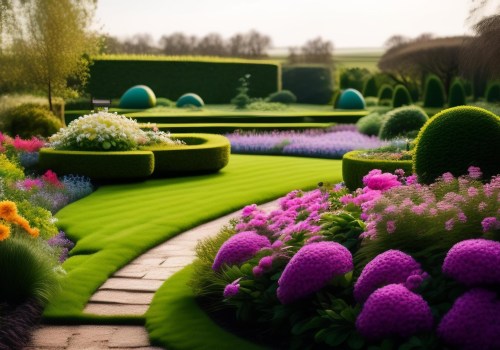
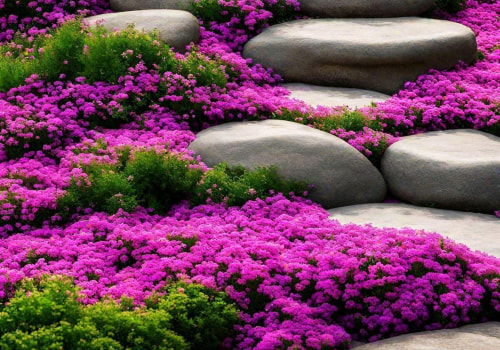
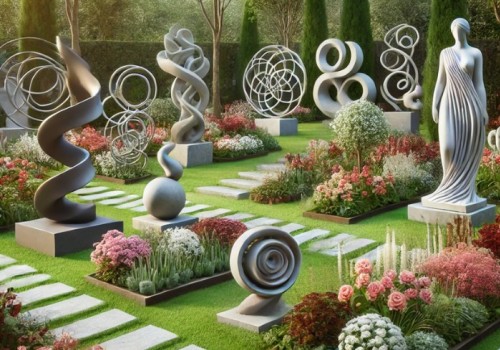
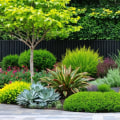
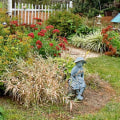
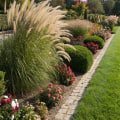
Ornamental gardening is a captivating practice that transforms outdoor spaces into vibrant, aesthetically pleasing environments. This form of gardening focuses on the visual appeal of plants, flowers, and landscapes, creating a harmonious blend of colors, textures, and shapes. The importance of ornamental gardening extends beyond mere decoration; it enhances the overall ambiance of residential and commercial properties, providing a sense of tranquility and beauty that can significantly improve quality of life. One of the key elements in ornamental gardening is the use of shrubs. These versatile plants serve multiple purposes, from acting as natural barriers to defining garden spaces.
Shrubs can add structure and depth to a landscape, making them essential for creating visually interesting designs. Their varied sizes, shapes, and foliage colors allow gardeners to express creativity while also ensuring that the garden remains vibrant throughout different seasons. The benefits of incorporating shrubs into ornamental gardening are numerous. Not only do they provide year-round interest with their foliage and blooms, but they also offer habitat for wildlife, contributing to biodiversity. Additionally, well-placed shrubs can help with soil erosion control and provide privacy in outdoor spaces.
As we delve deeper into the world of ornamental gardening, we will explore some popular shrubs that can elevate your garden's aesthetic appeal and functionality.
Understanding Ornamental Shrubs
Ornamental shrubs are an essential component of landscape design, valued for their aesthetic appeal and versatility. Unlike other plants that may primarily serve functional purposes, such as food production or timber, ornamental shrubs are cultivated mainly for their beauty and decorative qualities. These shrubs can enhance the visual interest of gardens, parks, and residential landscapes.One of the defining characteristics of ornamental shrubs is their diverse range of forms, sizes, and colors. They can vary from compact, low-growing varieties to larger, more sprawling types.This diversity allows gardeners to select shrubs that fit specific design needs and spatial constraints.
Characteristics of Ornamental Shrubs
- Foliage: Ornamental shrubs often feature unique leaf shapes, colors, and textures. Some may have variegated leaves or exhibit seasonal changes in color, adding dynamic interest throughout the year.
- Flowers: Many ornamental shrubs produce stunning blooms that can be a focal point in any garden. The flowering period varies by species, providing opportunities for seasonal color.
- Fruit: Some shrubs also bear attractive fruits or berries that can attract wildlife and add another layer of visual appeal.
- Growth Habit: The growth habit of ornamental shrubs can range from upright to spreading forms, allowing for creative landscaping options.
Understanding these characteristics is crucial for gardeners looking to incorporate ornamental gardening elements into their landscapes.In summary, ornamental shrubs are defined by their aesthetic qualities and adaptability in various garden settings. Their unique characteristics set them apart from other plants, making them a popular choice for enhancing the beauty of outdoor spaces.
Popular Shrubs for Ornamental Gardening
When it comes to ornamental gardening, selecting the right shrubs can significantly enhance the aesthetic appeal of your landscape. Here are some popular shrubs that are favored for their beauty and versatility:- Hydrangea : Known for its large, showy flower clusters, hydrangeas thrive in partial shade and moist, well-drained soil. They come in various colors, including blue, pink, and white, making them a favorite for adding vibrant hues to gardens.
- Boxwood : This evergreen shrub is prized for its dense foliage and ability to be shaped into formal hedges or topiaries.
Boxwoods prefer well-drained soil and can tolerate a range of light conditions, from full sun to partial shade.
- Azalea : Azaleas are celebrated for their stunning spring blooms. These flowering shrubs prefer acidic soil and thrive in partial shade. With a variety of colors available, they can create a spectacular display in any garden.
- Rhododendron : Similar to azaleas, rhododendrons produce large clusters of flowers and have broad leaves. They require well-drained, acidic soil and are best planted in areas with dappled sunlight.
- Spirea : This deciduous shrub is known for its delicate flowers and attractive foliage.
Spireas are hardy and adaptable, thriving in full sun to partial shade. They are also low-maintenance, making them ideal for busy gardeners.
- Barberry : With its colorful foliage and thorny branches, barberry adds texture and interest to gardens. It is drought-tolerant and thrives in full sun, making it a great choice for low-maintenance landscapes.
Flowering Shrubs: Adding Color to Your Garden
When it comes to ornamental gardening, flowering shrubs play a crucial role in enhancing the visual appeal of your landscape.These vibrant plants not only provide color but also attract pollinators, making them a valuable addition to any garden.
Types of Flowering Shrubs
- Hydrangeas: Known for their large, showy blooms, hydrangeas come in various colors including blue, pink, and white. They typically bloom from late spring to early fall, depending on the variety.
- Rhododendrons: These shrubs are celebrated for their stunning clusters of flowers that can range from white to deep purple. They thrive in partial shade and bloom in spring.
- Azaleas: A member of the rhododendron family, azaleas offer a spectacular display of flowers in early spring. They are available in a wide array of colors and are perfect for creating vibrant garden borders.
- Spireas: With their delicate clusters of small flowers, spireas bloom in late spring and summer.
They are low-maintenance and can add a soft touch to your garden.
- Butterfly Bush (Buddleia): This shrub is known for attracting butterflies with its long spikes of fragrant flowers that bloom from summer to fall. It’s an excellent choice for a pollinator-friendly garden.
Seasonal Considerations
When selecting colorful shrubs for gardens, consider their blooming seasons to ensure continuous color throughout the year. For instance:
- Spring: Rhododendrons and azaleas burst into bloom, providing early-season color.
- Summer: Hydrangeas and butterfly bushes take center stage with their vibrant displays.
- Fall: Spireas can offer late-season interest with their changing foliage and lingering blooms.
Care Tips
To keep your flowering shrubs healthy and thriving:
- Watering: Ensure consistent moisture, especially during dry spells.
- Pruning: Regular pruning after flowering encourages new growth and more blooms.
- Fertilizing: Use a balanced fertilizer in early spring to promote vigorous growth.
Evergreen Shrubs: Year-Round Appeal
When it comes to ornamental gardening, evergreen shrubs play a crucial role in providing structure and visual interest throughout the year. Unlike deciduous plants that shed their leaves in the fall, evergreen shrubs maintain their foliage, ensuring your garden remains vibrant and lush even in the coldest months.Benefits of Evergreen Shrubs
- Year-Round Foliage: The most significant advantage of evergreen shrubs is their ability to retain leaves all year long, offering continuous greenery.
- Privacy and Screening: Many evergreen varieties can be used to create natural privacy screens or hedges, effectively blocking unwanted views.
- Low Maintenance: Once established, these shrubs typically require less maintenance compared to flowering plants, making them ideal for busy gardeners.
- Soil Erosion Control: Their extensive root systems help stabilize soil, preventing erosion on slopes and in garden beds.
Here are some popular varieties:
- Boxwood (Buxus): Known for its dense foliage and versatility, boxwood is perfect for formal hedges and topiaries.
- Holly (Ilex): With its glossy leaves and bright red berries, holly adds a festive touch to gardens during winter.
- Juniper (Juniperus): This hardy shrub comes in various shapes and sizes, making it suitable for both ground cover and vertical accents.
- Pine (Pinus): Ideal for larger landscapes, pines provide a majestic presence and are excellent for windbreaks.
- Laurel (Prunus laurocerasus): This fast-growing shrub offers large leaves and can thrive in shaded areas, making it a great choice for diverse garden settings.
Low-Maintenance Shrubs for Busy Gardeners
For those who love the beauty of ornamental gardening but have limited time for maintenance, choosing the right shrubs is essential. Here are some low-maintenance shrubs that can enhance your garden without demanding too much attention.- Boxwood (Buxus spp.) : This classic shrub is perfect for creating structured hedges or topiaries. Boxwoods are drought-tolerant and can thrive in various soil types, making them a favorite among busy gardeners.
- Spirea (Spiraea spp.) : Known for their vibrant blooms, spireas require minimal pruning and are resistant to pests.
They come in various sizes and colors, providing versatility in any landscape.
- Juniper (Juniperus spp.) : These evergreen shrubs are incredibly hardy and can withstand drought conditions. Their low growth habit makes them ideal for ground cover or rock gardens.
- Barberry (Berberis spp.) : With their colorful foliage and thorny branches, barberries add both beauty and security to your garden. They are highly adaptable and require little care once established.
- Hydrangea (Hydrangea spp.) : While some hydrangeas may need occasional pruning, many varieties are quite forgiving. Their large blooms provide stunning visual interest throughout the growing season.
Incorporating these best low-maintenance plants for gardens will not only save you time but also create a lush, inviting landscape that you can enjoy year-round.
Incorporating Shrubs into Your Landscape Design
Incorporating shrubs into your landscape design can significantly enhance the aesthetic appeal and functionality of your garden. When planning your layout, consider the following tips to ensure that your shrubs contribute positively to your overall design.- Layering for Depth: Use a layering technique by placing taller shrubs at the back and shorter ones in front. This creates a sense of depth and allows each plant to be visible, maximizing their visual impact.
- Creating Focal Points: Select a few standout shrubs with unique foliage or flowers to serve as focal points in your garden. For instance, a vibrant Japanese Maple or a flowering Hydrangea can draw the eye and provide a stunning centerpiece.
- Consider Seasonal Interest: Choose shrubs that offer year-round appeal.
For example, evergreens like Boxwood provide structure in winter, while deciduous shrubs like Forsythia bring bright blooms in spring.
- Texture and Color: Mix different types of shrubs to create a rich tapestry of textures and colors. Combining smooth-leaved varieties with those that have coarse or variegated leaves can add visual interest.
- Placement Tips: Pay attention to the sun and shade requirements of each shrub. Group plants with similar light needs together to ensure they thrive. Additionally, consider the mature size of each shrub to avoid overcrowding.
By strategically placing shrubs, you can create natural borders or define spaces within your garden. Remember that the goal is to achieve harmony between all components of your landscape design.Finally, don’t hesitate to experiment with different combinations and arrangements. The beauty of ornamental gardening lies in its flexibility; allow your creativity to flourish as you incorporate shrubs into your outdoor space.
Common Pests and Diseases Affecting Ornamental Shrubs
Maintaining the health of ornamental shrubs is essential for a vibrant garden. However, these plants can be susceptible to various pests and diseases.Understanding these issues is crucial for effective shrub care.
Common Pests Affecting Ornamental Shrubs
- Aphids: These small, soft-bodied insects suck the sap from leaves, leading to yellowing and stunted growth. Regularly inspecting your shrubs and using insecticidal soap can help control their population.
- Spider Mites: Often found in dry conditions, spider mites create fine webs on the undersides of leaves. Increasing humidity and applying miticides can mitigate their impact.
- Scale Insects: These pests attach themselves to stems and leaves, causing wilting and leaf drop. Scraping them off or using horticultural oil can be effective treatments.
Common Diseases in Garden Shrubs
- Powdery Mildew: This fungal disease appears as a white powdery substance on leaves.
Ensuring good air circulation and applying fungicides can help prevent its spread.
- Root Rot: Caused by overwatering or poor drainage, root rot leads to wilting and yellowing leaves. To prevent this, ensure your shrubs are planted in well-draining soil.
- Leaf Spot: This disease manifests as dark spots on leaves, often leading to premature leaf drop. Removing affected leaves and applying fungicides can help control its spread.
- Regularly inspect your plants for signs of pests or diseases.
- Maintain proper watering practices to avoid overwatering.
- Ensure adequate spacing between shrubs for air circulation.
- Use organic mulch to retain moisture and suppress weeds.
Conclusion: The Beauty and Benefits of Ornamental Shrubs in Gardening
In conclusion, ornamental shrubs play a vital role in enhancing the beauty and functionality of gardens. Their diverse forms, colors, and textures not only add visual interest but also contribute to the overall health of the garden ecosystem.By incorporating these plants into your landscape, you can create a dynamic environment that evolves with the seasons.Throughout this article, we explored several popular shrubs that are favored in ornamental gardening. From the vibrant blooms of hydrangeas to the striking foliage of Japanese maples, each shrub offers unique characteristics that can complement various garden styles. Additionally, many of these plants provide essential benefits such as attracting pollinators, offering privacy, and serving as natural windbreaks.
- Versatility: Ornamental shrubs can be used in various settings, from formal gardens to casual landscapes.
- Seasonal Interest: Many shrubs provide year-round appeal with their flowers, fruits, and foliage changes.
- Low Maintenance: Once established, many ornamental shrubs require minimal care, making them ideal for busy gardeners.
Embrace the beauty and benefits these plants offer, and watch your garden flourish with life and color.