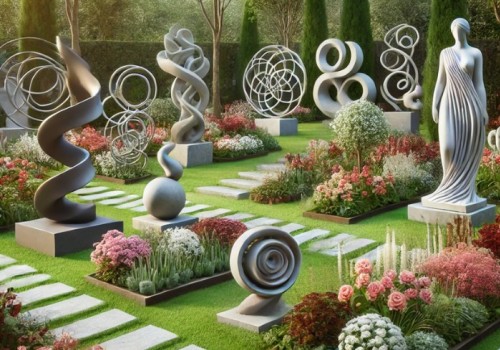
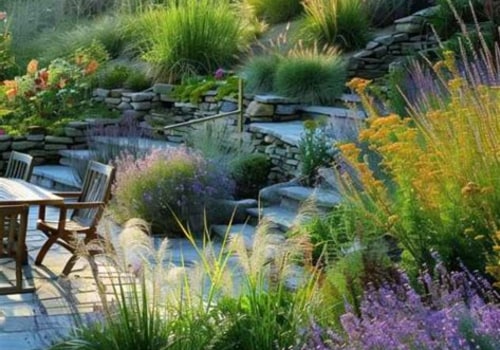
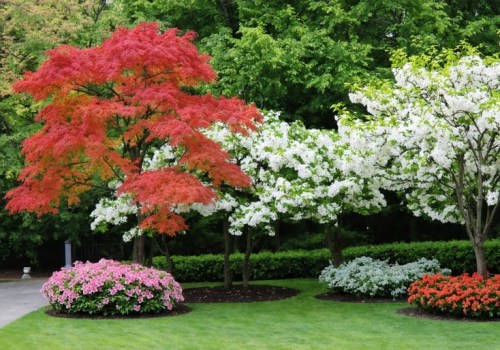
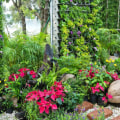
Ornamental gardening is a specialized branch of gardening that focuses on the aesthetic appeal of plants and landscapes rather than their utility. This practice involves the cultivation of flowers, shrubs, trees, and other plants primarily for decorative purposes. Unlike traditional gardening, which may prioritize food production or functional landscaping, ornamental gardening emphasizes beauty, design, and the overall visual impact of a garden space. The definition of ornamental gardening can be understood as the art and science of designing and maintaining gardens that are visually pleasing. This includes selecting plants based on their color, texture, shape, and seasonal interest.
Ornamental gardens can range from small residential spaces to expansive public parks, each designed to create a harmonious environment that enhances the surrounding landscape. In essence, ornamental gardening explained reveals its significance in landscape design. It not only beautifies spaces but also contributes to mental well-being by providing serene environments for relaxation and reflection. By incorporating various elements such as pathways, water features, and sculptures alongside carefully chosen plant life, ornamental gardening transforms ordinary areas into extraordinary retreats that invite exploration and enjoyment.
The History of Ornamental Gardening
The roots of ornamental gardening can be traced back to ancient civilizations, where the aesthetic appeal of plants was first recognized. In ancient Egypt, gardens were designed not only for utility but also for beauty, featuring symmetrical layouts and a variety of flowering plants.These early gardens often served religious purposes, symbolizing paradise and the afterlife.As we move into classical antiquity, the Greeks and Romans further advanced the concept of ornamental gardening. The Greeks introduced the idea of landscape design, emphasizing harmony and proportion. Roman gardens became elaborate spaces filled with sculptures, fountains, and a diverse array of plants, showcasing wealth and status. This period marked a significant evolution in ornamental gardening, as it began to reflect personal taste and cultural values.During the Middle Ages, ornamental gardening took on a different character.
Monastic gardens were primarily utilitarian, focusing on herbs and vegetables. However, the Renaissance sparked a revival of interest in classical ideals, leading to the creation of grand gardens that emphasized symmetry and perspective. Notable examples include the gardens of the Villa d'Este in Italy, which featured intricate waterworks and terraced designs.The 17th and 18th centuries saw the rise of formal gardens in Europe, characterized by geometric shapes and meticulously trimmed hedges. The French formal garden, exemplified by the gardens at Versailles, became a symbol of royal power and artistic achievement.
In contrast, the English landscape garden movement emerged as a reaction against formality, promoting naturalistic designs that integrated with the surrounding landscape.In modern times, ornamental gardening has continued to evolve, influenced by various cultural movements and environmental considerations. Today, gardeners blend traditional techniques with contemporary styles, embracing sustainability while still focusing on beauty. This rich history not only highlights the artistic expression found in ornamental gardening but also its enduring significance across cultures and eras.
Key Elements of Ornamental Gardening
Ornamental gardening is a captivating blend of art and nature, where the aesthetic appeal of plants and structures takes center stage. Understanding the key elements of ornamental gardening is essential for anyone looking to create a visually stunning garden space.- Plants: The backbone of any ornamental garden, plants are chosen not only for their beauty but also for their ability to complement one another.
Flowering plants, shrubs, and trees are often selected based on their color, texture, and seasonal interest. For instance, perennials provide lasting beauty year after year, while annuals can add vibrant splashes of color that change with the seasons.
- Structures: Incorporating structures such as trellises, arbors, and pathways can enhance the overall design of an ornamental garden. These elements serve both functional and aesthetic purposes, guiding visitors through the space while adding vertical interest. A well-placed bench or gazebo can also create a focal point, inviting relaxation amidst the greenery.
- Design Principles: Effective ornamental gardening relies on fundamental design principles such as balance, contrast, and harmony.
Balance can be achieved through symmetrical arrangements or asymmetrical designs that still feel cohesive.
Contrast
adds visual interest by juxtaposing different colors and textures, while harmony ensures that all elements work together seamlessly. - Seasonal Considerations: A successful ornamental garden evolves throughout the year. Selecting plants that bloom in different seasons ensures that the garden remains vibrant and engaging. Incorporating evergreens can provide structure during winter months when other plants are dormant.
Whether you are starting from scratch or enhancing an existing garden, focusing on these key elements will help you achieve a stunning ornamental landscape.
Types of Ornamental Gardens
Ornamental gardening encompasses a variety of styles, each with its own unique characteristics and aesthetic appeal. Understanding these different types can help you choose the right approach for your outdoor space.- Formal Gardens: These gardens are characterized by their symmetrical designs and structured layouts. Often featuring geometric shapes, straight lines, and carefully trimmed hedges, formal gardens exude elegance and order. They may include elements such as topiaries, fountains, and pathways that guide visitors through the space.
- Informal Gardens: In contrast to formal gardens, informal gardens embrace a more relaxed and naturalistic approach.
These gardens often feature curved lines, a mix of plant heights, and a variety of colors and textures. Informal gardens aim to create a sense of harmony with nature, allowing plants to grow in a more organic manner.
- Cottage Gardens: A quintessentially charming style, cottage gardens are known for their dense planting and vibrant colors. They typically include a mix of flowers, herbs, and vegetables, creating a cozy and inviting atmosphere. This style emphasizes biodiversity and often incorporates rustic elements like picket fences or trellises.
- Japanese Gardens: Rooted in Zen philosophy, Japanese gardens focus on simplicity and tranquility.
They often feature water elements, rocks, and carefully placed plants that symbolize natural landscapes. The design encourages contemplation and reflection, making it a perfect retreat for relaxation.
- Modern Gardens: Modern ornamental gardens embrace contemporary design principles with clean lines and minimalistic features. These gardens often utilize innovative materials such as concrete or metal alongside bold plant choices to create striking visual contrasts.
Choosing Plants for Ornamental Gardening
When it comes to ornamental gardening, selecting the right plants is crucial for creating a visually appealing and harmonious landscape.Here are some key considerations to keep in mind when choosing plants for your ornamental garden:
- Climate: Understanding your local climate is essential. Different plants thrive in various temperature ranges and humidity levels. Research hardiness zones to find plants that will flourish in your area.
- Soil Type: The type of soil in your garden can significantly impact plant growth. Conduct a soil test to determine pH levels and nutrient content.
Choose plants that are well-suited to your soil type, whether it’s sandy, clay, or loamy.
- Aesthetics: Consider the overall look you want to achieve. Think about color schemes, textures, and heights of plants. Mixing perennials, annuals, and shrubs can create depth and interest in your garden.
- Maintenance: Some plants require more care than others. If you prefer a low-maintenance garden, opt for drought-resistant or native species that are adapted to your environment.
- Roses: Known for their beauty and fragrance, roses come in various colors and sizes, making them a classic choice.
- Hostas: Ideal for shaded areas, hostas offer lush foliage and come in a variety of leaf shapes and colors.
- Ornamental Grasses: These add movement and texture to gardens, with varieties like Pennisetum and Miscanthus being particularly popular.
- Japanese Maple: This tree provides stunning foliage color throughout the seasons, making it a focal point in any garden.
Design Principles in Ornamental Gardening
Creating a stunning ornamental garden requires a solid understanding of key design principles.These principles guide gardeners in crafting spaces that are not only beautiful but also harmonious and functional. Here are some essential design principles to consider:
- Balance: Balance in garden design refers to the visual weight of elements within the space. It can be achieved through symmetrical arrangements, where both sides mirror each other, or asymmetrical designs that create interest while maintaining equilibrium. For instance, placing a large tree on one side can be balanced by a cluster of smaller plants on the opposite side.
- Contrast: Utilizing contrast effectively can enhance the visual appeal of your garden.
This can be achieved through color, texture, and form. For example, pairing vibrant flowers with lush green foliage creates a striking effect. Additionally, contrasting shapes—such as rounded bushes next to spiky plants—can add depth and intrigue.
- Harmony: Harmony ensures that all elements in the garden work together cohesively. This can be accomplished by selecting plants that share similar colors or textures, creating a unified look.
A harmonious garden feels inviting and serene, making it an ideal space for relaxation.
- Proportion: Proportion refers to the size relationship between different elements in the garden. It’s important to choose plants and features that complement each other in scale. For example, large trees should be placed in areas where they won’t overwhelm smaller plants or structures.
- Rhythm: Rhythm in garden design is about creating a sense of movement through repetition and variation. This can be achieved by repeating certain plants or colors at intervals throughout the garden, guiding the eye along pathways and creating a flow that invites exploration.
Whether you’re starting from scratch or enhancing an existing space, understanding these design principles will elevate your gardening experience.
Maintenance Tips for Ornamental Gardens
Maintaining an ornamental garden requires a thoughtful approach to ensure that your plants thrive and your garden remains visually appealing. Here are some essential maintenance tips to help you care for your ornamental plants effectively.- Regular Watering: Consistent watering is crucial, especially during dry spells. Aim to water deeply but infrequently, allowing the soil to dry out slightly between waterings. This encourages deep root growth.
- Mulching: Apply a layer of organic mulch around your plants.
Mulch helps retain moisture, suppress weeds, and improve soil quality as it breaks down.
- Pruning: Regular pruning is essential for maintaining the shape and health of your ornamental plants. Remove dead or diseased branches and spent flowers to promote new growth and enhance appearance.
- Pest Management: Keep an eye out for pests that can damage your plants. Use natural pest control methods whenever possible, such as introducing beneficial insects or using insecticidal soap.
- Fertilization: Feed your ornamental plants with a balanced fertilizer during the growing season. This will provide them with the necessary nutrients to flourish.
Be sure to follow the recommended application rates to avoid over-fertilization.
- Seasonal Clean-Up: At the end of each season, remove any dead foliage, fallen leaves, or debris from your garden beds. This helps prevent disease and keeps your garden looking tidy.
Common Challenges in Ornamental Gardening and How to Overcome Them
Ornamental gardening can be a rewarding endeavor, but it is not without its challenges. Gardeners often encounter a variety of issues that can hinder the beauty and health of their plants.Understanding these common problems and knowing how to address them is essential for maintaining a thriving ornamental garden.
Pests
Pests are one of the most significant challenges in ornamental gardening. Insects such as aphids, spider mites, and whiteflies can damage plants by sucking their sap or spreading diseases. To combat these pests, consider the following strategies:- Regular Monitoring: Inspect your plants frequently for signs of pest activity.
- Natural Predators: Introduce beneficial insects like ladybugs and lacewings that feed on harmful pests.
- Organic Insecticides: Use neem oil or insecticidal soap as a safe alternative to chemical pesticides.
Diseases
Diseases caused by fungi, bacteria, or viruses can also plague ornamental gardens. Common issues include powdery mildew, root rot, and leaf spot.To minimize the risk of disease:
- Proper Watering: Water at the base of plants to avoid wetting foliage, which can promote fungal growth.
- Good Air Circulation: Space plants appropriately to ensure air can circulate freely around them.
- Healthy Soil: Use well-draining soil and amend it with organic matter to promote strong root systems.
Environmental Factors
Environmental factors such as extreme temperatures, poor soil quality, and inadequate sunlight can also pose challenges. Here are some tips to overcome these issues:- Choose the Right Plants: Select species that are well-suited to your local climate and soil conditions.
- Soil Testing: Conduct a soil test to determine pH and nutrient levels, then amend accordingly.
- Mulching: Apply mulch to retain moisture and regulate soil temperature.
FAQs About Ornamental Gardening
Ornamental gardening is a captivating field that often raises numerous questions among enthusiasts and beginners alike. Here are some frequently asked questions that can help clarify your understanding of this beautiful art form.What is the purpose of ornamental gardening?
The primary purpose of ornamental gardening is to enhance the aesthetic appeal of outdoor spaces. This can be achieved through the careful selection and arrangement of plants, flowers, and other decorative elements.Ornamental gardens serve not only as a visual delight but also as a sanctuary for relaxation and enjoyment.
What types of plants are used in ornamental gardening?
- Flowering plants: These include annuals and perennials that provide vibrant colors throughout the seasons.
- Shrubs: Often used for structure and form, shrubs can add depth and texture to a garden.
- Trees: Ornamental trees can serve as focal points or provide shade, enhancing the overall landscape.
- Ground covers: These low-growing plants help prevent weeds while adding greenery and color.
How do I design an ornamental garden?
Designing an ornamental garden involves several key steps:- Assess your space: Consider the size, shape, and sunlight exposure of your garden area.
- Select a theme: Choose a style that resonates with you, such as formal, cottage, or tropical.
- Plan your layout: Sketch a design that includes plant placement, pathways, and focal points.
- Choose plants wisely: Select plants that thrive in your climate and complement each other in color and texture.
Can ornamental gardening be sustainable?
Absolutely! Sustainable practices in ornamental gardening include using native plants, implementing water-efficient irrigation systems, and minimizing chemical use. By focusing on sustainability, you can create a beautiful garden that also supports local ecosystems.If you have more questions about ornamental gardening, feel free to explore further or consult with local gardening experts for personalized advice!Conclusion: The Beauty and Benefits of Ornamental Gardening
In conclusion, ornamental gardening serves as a vital component in enhancing both the aesthetic appeal and ecological health of our environments. Throughout this article, we have explored the various elements that define ornamental gardening, from the selection of vibrant plants to the thoughtful design of landscapes that invite both beauty and tranquility.One of the most significant benefits of ornamental gardening is its ability to transform ordinary spaces into extraordinary retreats. By incorporating a diverse range of plants, flowers, and decorative features, gardeners can create visually stunning areas that not only please the eye but also provide a sanctuary for wildlife.This practice encourages biodiversity, offering habitats for pollinators such as bees and butterflies, which are essential for maintaining healthy ecosystems.Moreover, engaging in ornamental gardening can greatly enhance personal well-being. The act of nurturing plants and designing outdoor spaces has been shown to reduce stress, promote relaxation, and foster a sense of accomplishment. Whether it’s through cultivating a colorful flower bed or creating a serene water feature, the therapeutic benefits of gardening are profound.As we reflect on the importance of ornamental gardening, it becomes clear that this practice is not merely about aesthetics; it is about creating harmonious environments that enrich our lives and support our planet. By embracing ornamental gardening, we can contribute to a more beautiful world while enjoying the myriad benefits it brings to our mental and emotional health.In summary, whether you are an experienced gardener or just starting out, the world of ornamental gardening offers endless possibilities for creativity and connection with nature.
Let us celebrate this art form and continue to cultivate spaces that inspire joy and appreciation for the natural beauty around us.