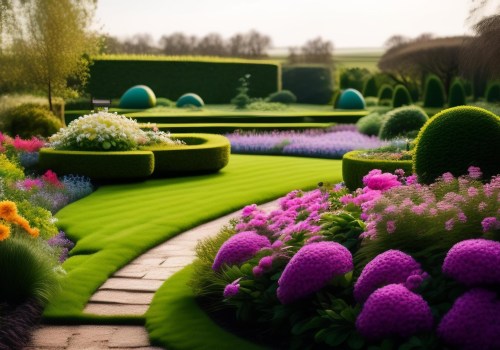
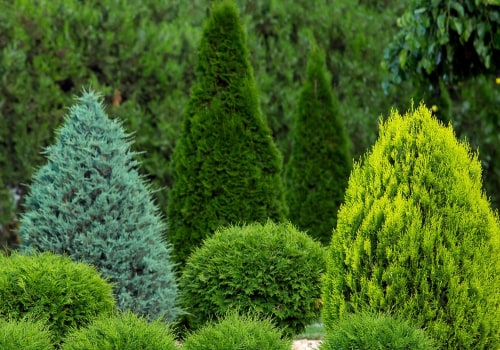
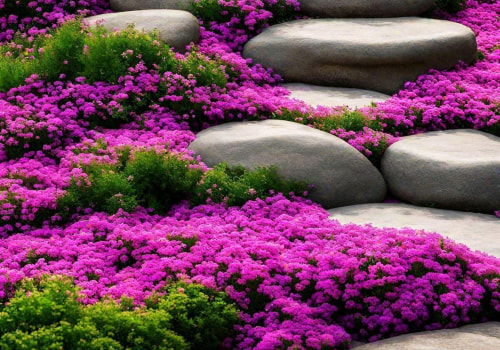
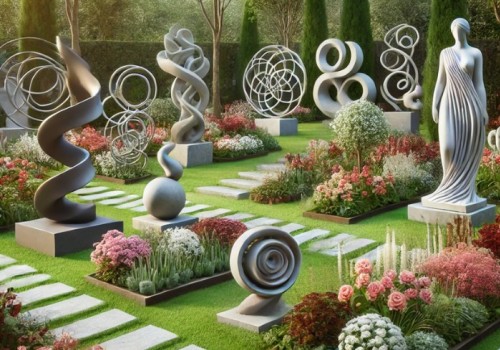
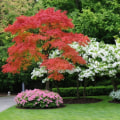
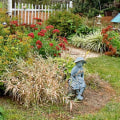
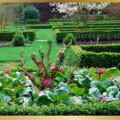
Ornamental gardening is a captivating form of gardening that focuses on the aesthetic appeal of plants and landscapes rather than their utility. Unlike vegetable or herb gardens, which prioritize functionality, ornamental gardening emphasizes beauty, design, and the emotional response elicited by a well-curated space. This art form allows gardeners to express their creativity through the selection of various plants, flowers, and decorative elements, creating a harmonious environment that can transform any outdoor area into a personal sanctuary. The significance of ornamental gardening extends beyond mere visual pleasure; it plays a crucial role in enhancing the overall ambiance of residential and public spaces. By incorporating diverse plant species, textures, and colors, ornamental gardens can evoke different moods and themes, making them an essential aspect of landscape design.
Furthermore, these gardens contribute to biodiversity, support local ecosystems, and provide habitats for wildlife, showcasing the interconnectedness of beauty and nature. As we delve deeper into the principles of ornamental gardening, one key concept that emerges is the idea of repetition. This design technique not only creates a sense of unity and cohesion within the garden but also enhances its visual impact. Understanding how to effectively implement repetition can elevate your ornamental garden from ordinary to extraordinary, ensuring that each element works in harmony with the others to create a stunning overall effect.
The Role of Repetition in Garden Design
In the realm of ornamental gardening, repetition serves as a cornerstone of effective garden design. By incorporating repeated elements, gardeners can create a sense of unity and flow that guides the eye through the landscape.This principle not only enhances the visual appeal but also establishes a coherent structure that can transform an ordinary garden into an extraordinary one.
Understanding Repetition in Garden Design
Repetition can manifest in various forms, including:
- Plant Varieties: Using the same species or cultivar at regular intervals can create a rhythm that ties different areas of the garden together.
- Color Schemes: Repeating specific colors throughout the garden can evoke emotions and create a harmonious atmosphere.
- Hardscape Elements: Incorporating similar materials for pathways, walls, or furniture can enhance the overall design and provide a cohesive look.
- Create Visual Harmony: Repeated elements establish a sense of balance, making the garden feel more organized and inviting.
- Enhance Aesthetic Appeal: A well-repeated design draws attention and encourages exploration, allowing visitors to appreciate the intricacies of the garden.
- Guide Movement: By strategically placing repeated features, gardeners can lead visitors along desired paths, enhancing their experience.
Types of Repetition in Ornamental Gardens
Creating a sense of repetition in ornamental gardening can significantly enhance the visual appeal and cohesion of your garden design. There are several types of repetition that can be effectively utilized, including plant selection, color schemes, and structural elements.1.Plant Selection
One of the most straightforward ways to introduce repetition is through the careful selection of plants.By using the same species or variety in multiple locations, you can create a harmonious flow throughout the garden. For instance, planting clusters of Hydrangeas or Lavender at regular intervals can draw the eye and establish a rhythm. Consider using:
- Mass Planting: Grouping several plants of the same type together to create a bold statement.
- Layering: Using different heights and sizes of the same plant species to add depth while maintaining a cohesive look.
2.Color Schemes
The use of color is another powerful tool in establishing repetition. A consistent color palette can unify various elements within your garden.For example, if you choose a palette of purples and whites, repeating these colors through flowers, foliage, and even garden accessories can create a seamless transition from one area to another. Consider:
- Monochromatic Schemes: Utilizing different shades of a single color to create depth while maintaining unity.
- Complementary Colors: Pairing colors that enhance each other, such as yellow and purple, to create vibrant focal points.
3.Structural Elements
Incorporating structural elements like pathways, trellises, or garden furniture can also contribute to a sense of repetition. For instance, using similar materials for benches and planters throughout the garden can tie different areas together. Additionally:- Pathways: Creating winding paths that lead through repeated plantings can guide visitors while reinforcing the theme.
- Trellises: Installing trellises in similar styles at various points can add vertical interest and continuity.
Choosing Plants for Repetitive Patterns
Creating a sense of repetition in your ornamental garden begins with the careful selection of plants that complement each other in both form and function.When choosing plants for repetitive patterns, consider the following factors:
- Color: Select a color palette that resonates throughout your garden. For instance, using shades of blue and purple can create a calming effect, while vibrant reds and yellows can energize the space. Aim for at least three to five plant varieties that share similar hues to establish visual harmony.
- Texture: Incorporating plants with varying textures can enhance the overall aesthetic. Combine smooth-leaved plants with those that have coarse or feathery foliage.
This contrast not only adds depth but also emphasizes the repetitive elements in your design.
- Growth Habits: Understanding the growth habits of your chosen plants is crucial. Opt for plants that have similar growth rates and sizes to maintain uniformity. For example, pairing low-growing ground covers with taller perennials can create layers without disrupting the sense of repetition.
Choose a mix of evergreen and deciduous plants to ensure that your garden remains visually appealing throughout the year. For example, incorporating evergreens like boxwood or holly alongside seasonal bloomers such as daylilies or coneflowers can provide a consistent backdrop while still allowing for bursts of color.Finally, don’t forget about the importance of scale and proportion. Large plants should be used sparingly within a repetitive pattern to avoid overwhelming smaller varieties. By maintaining balance in size, you can create a cohesive look that draws the eye through your ornamental garden.
Incorporating Hardscapes and Structures
Incorporating hardscapes and structures into your ornamental garden is a powerful way to create a sense of repetition that enhances the overall aesthetic.Hardscapes, which include elements such as pathways, walls, and fences, can serve as the backbone of your garden design, providing both functionality and visual appeal.
Pathways
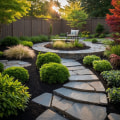
are one of the most effective hardscape features for establishing repetition. By using the same material or pattern throughout your garden, you can guide visitors through the space while creating a cohesive look. For instance, a winding stone path can lead to various garden sections, with each turn revealing new plant arrangements that echo the materials used in the path itself.Garden walls
and fences can also contribute to a sense of repetition. When these structures are built using similar materials or colors as other hardscape elements, they create a harmonious flow throughout the garden.Consider using brick or natural stone that matches your pathways to tie everything together visually.Additionally, incorporating garden structures such as trellises, arbors, or pergolas can enhance the repetitive theme. These features can be designed in similar styles or painted in matching colors to reinforce the overall design. For example, if you have a series of arbors leading to different sections of your garden, using the same wood type and finish will create a unified look.To maximize the impact of hardscapes in your ornamental garden:
- Choose a consistent material: Select stones, bricks, or tiles that complement each other and your plant choices.
- Create visual pathways: Use hardscapes to lead the eye from one area to another, encouraging exploration while maintaining a sense of order.
- Incorporate repeating patterns: Whether through paving stones or decorative walls, repeating shapes can enhance the rhythm of your garden.
Creating Visual Flow with Repetition
Creating a sense of repetition in your ornamental garden is essential for establishing a cohesive visual flow that guides visitors through the space. By strategically repeating certain elements, you can enhance the overall aesthetic and create a harmonious environment.Utilizing Plant Repetition
- Choose a Color Palette: Select a limited color palette for your plants.
Repeating colors throughout the garden can create a sense of unity. For instance, if you have purple flowers, consider planting them in clusters at various points to draw the eye.
- Group Similar Plants: Use groups of the same plant species or variety to create focal points. This not only adds visual interest but also helps in establishing rhythm as visitors move through the garden.
- Vary Heights and Textures: While repetition is key, varying the heights and textures of plants can add depth. For example, pairing tall grasses with low-growing ground covers can create layers that enhance visual flow.
Designing Pathways and Layouts
- Curved Pathways: Incorporate curved pathways that lead visitors through different sections of the garden.
Repeating curves can create a natural flow, encouraging exploration and discovery.
- Consistent Materials: Use similar materials for pathways, borders, and garden furniture. This consistency reinforces the theme of repetition and helps to unify different areas of your garden.
- Strategic Placement: Position repeating elements such as benches or sculptures at intervals along pathways. This not only provides resting spots but also creates visual anchors that guide movement.
Common Mistakes to Avoid with Repetition
When incorporating repetition in your ornamental gardening design, it’s essential to be aware of common mistakes that can undermine your efforts.Here are some pitfalls to avoid:
- Overusing the Same Plant: While repetition can create harmony, using the same plant excessively can lead to monotony. Instead, consider varying the plants within a similar color palette or texture to maintain interest.
- Lack of Variation in Scale: Repetition doesn’t mean everything should be the same size. Incorporating plants of different heights and forms can add depth and dimension to your garden, making it visually appealing.
- Ignoring Seasonal Changes: A common error is not considering how plants will look throughout the seasons. Choose a mix of perennials and annuals that bloom at different times to ensure your garden remains vibrant year-round.
- Neglecting Focal Points: While repetition is important, it’s equally crucial to have focal points that draw the eye.
Avoid creating a design that feels too uniform by strategically placing standout features like sculptures or unique plants.
- Forgetting About Texture: Repetition in color alone can fall flat. Incorporate a variety of textures through foliage and flower shapes to create a more dynamic landscape.
FAQs About Repetition in Ornamental Gardening
Creating a sense of repetition in ornamental gardening can significantly enhance the visual appeal and cohesion of your garden design.Here are some frequently asked questions that can help clarify this concept:
- What is the role of repetition in garden design?
Repetition in garden design serves to create harmony and unity. By repeating certain elements, such as plants, colors, or materials, you can guide the viewer's eye through the space and establish a cohesive theme. - How can I incorporate repetition effectively?
To incorporate repetition effectively, consider using a limited palette of plants or materials. For example, planting the same type of flower in multiple locations or using similar pots throughout the garden can create a sense of continuity. - Is it necessary to repeat every element in my garden?
No, it is not necessary to repeat every element. Focus on key features that you want to highlight.This could be a specific plant variety, a color scheme, or even structural elements like pathways or fences.
- Can I use different plants for repetition?
Yes, you can use different plants as long as they share similar characteristics, such as color or texture. This approach allows for diversity while still maintaining a sense of unity. - How does repetition affect the overall mood of the garden?
Repetition can evoke feelings of calmness and order. A well-repeated design can make a space feel more inviting and organized, enhancing the overall experience of your ornamental garden.
Conclusion: The Beauty of Repetition in Your Garden Design
In conclusion, the art of ornamental gardening thrives on the principle of repetition, which serves as a powerful tool to create harmony and visual interest in your garden design. By thoughtfully incorporating repeated elements, you can establish a cohesive aesthetic that draws the eye and invites exploration.Throughout this article, we explored various strategies for achieving repetition in your garden.From selecting a consistent color palette to using similar plant shapes and sizes, each method contributes to a unified look that enhances the overall beauty of your space. Here are some key takeaways:
- Color Repetition: Utilizing a limited color scheme can create a sense of flow and connection between different areas of your garden.
- Plant Selection: Choosing specific plants to repeat throughout your garden not only reinforces your design theme but also helps in establishing a rhythm that is pleasing to the eye.
- Structural Elements: Incorporating similar hardscape features, such as pathways or trellises, can enhance the sense of continuity and guide visitors through your ornamental space.