Ornamental gardening is a captivating form of gardening that focuses on the aesthetic appeal of plants and landscapes rather than their utility. Unlike vegetable or herb gardens, which prioritize functionality, ornamental gardening emphasizes beauty, design, and the overall visual experience. This art form allows gardeners to express their creativity through the selection of various plants, flowers, and decorative elements, creating a harmonious environment that can evoke emotions and enhance outdoor spaces. The significance of ornamental gardening extends beyond mere decoration; it plays a crucial role in enhancing the quality of life. Well-designed ornamental gardens can provide a serene escape from the hustle and bustle of daily life, offering a space for relaxation and reflection.
Furthermore, these gardens contribute to biodiversity by attracting pollinators and other wildlife, fostering a balanced ecosystem. Understanding the principles of ornamental gardening is essential for anyone looking to create a visually stunning garden that resonates with both personal style and environmental consciousness. As we delve deeper into the world of ornamental gardening, one key aspect stands out: the creation of focal points. Focal points serve as visual anchors within a garden, drawing the eye and guiding visitors through the landscape. By strategically placing elements such as sculptures, water features, or unique plant arrangements, gardeners can enhance the overall design and ensure that their gardens are not only beautiful but also engaging.
In this article, we will explore how to effectively create focal points in your ornamental garden, transforming it into a captivating oasis that reflects your individual taste.
The Role of Focal Points in Garden Design
In ornamental gardening, the use of focal points is essential for creating a visually appealing and harmonious landscape. A focal point serves as an anchor in the garden, drawing the eye and providing a sense of direction. This can be achieved through various elements such as sculptures, water features, or even a striking plant arrangement.Importance of Focal Points
- Visual Interest: Focal points break the monotony of a garden space, adding layers of interest that encourage exploration.
- Guiding the Eye: They help guide visitors through the garden, leading them from one area to another and creating a natural flow.
- Creating Balance: A well-placed focal point can balance out other elements in the garden, ensuring that no single area feels overcrowded or neglected.
Key Principles for Placement and Selection
- Scale and Proportion: The size of the focal point should be proportionate to the surrounding space. A large sculpture may overwhelm a small garden, while a tiny feature might get lost in a vast landscape.
- Contrast: Choose focal points that contrast with their surroundings.
This could mean selecting a bright color against a green backdrop or a smooth texture next to rough foliage.
- Accessibility: Ensure that focal points are easily visible from various vantage points within the garden. This enhances their impact and encourages engagement.
Types of Focal Points for Ornamental Gardens
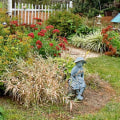
Creating a captivating focal point in your ornamental garden can transform an ordinary space into a stunning visual experience. Here are several types of focal points that can enhance the beauty and interest of your garden:- Sculptures: Incorporating sculptures can add a touch of artistry to your garden. Whether it’s a classic statue, a modern abstract piece, or whimsical garden gnomes, sculptures can serve as conversation starters.
For example, a large stone statue of a mythical creature can draw the eye and create a sense of wonder.
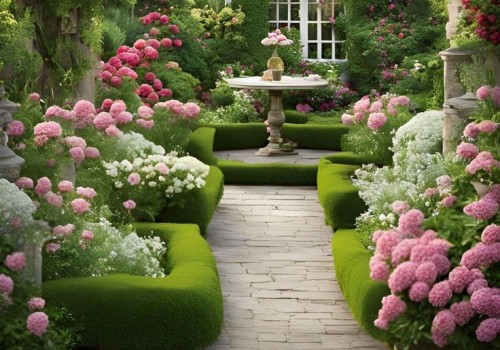
- Water Features: The soothing sound of water can create a serene atmosphere. Consider adding a small pond, fountain, or birdbath. A tiered fountain with cascading water not only serves as a focal point but also attracts wildlife, enhancing the biodiversity of your garden.
- Unique Plants: Certain plants can act as natural focal points due to their size, color, or texture. For instance, a striking Japanese maple with its vibrant red leaves can stand out against a backdrop of green shrubs.
Similarly, large flowering plants like Hibiscus or Sunflowers can draw attention with their bold blooms.
- Garden Arches and Trellises: These structures can frame views and create vertical interest in your garden. A trellis adorned with climbing roses or wisteria not only serves as a beautiful focal point but also adds depth to the landscape.
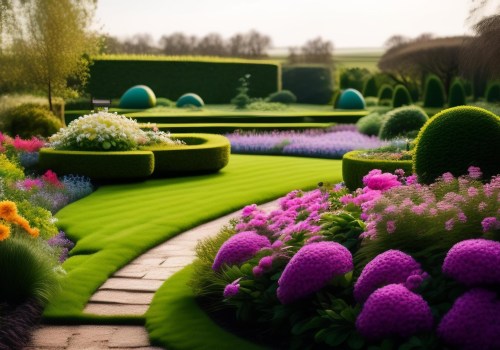
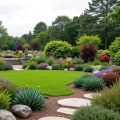
- Pathways and Borders: Curved pathways made from stone or gravel can lead the eye through the garden and towards specific features. Using contrasting materials for borders can also highlight certain areas, guiding visitors naturally to focal points.
By thoughtfully incorporating these ideas, you can craft an ornamental garden that captivates and inspires all who visit.
Choosing the Right Location for Your Focal Point
Creating a stunning focal point in your ornamental garden begins with selecting the right location. The placement of your focal feature can significantly influence the overall aesthetic and functionality of your garden. Here are some essential tips to consider when determining the best spot for your focal point.- Consider Sightlines: Evaluate the sightlines from various vantage points within your garden. A well-placed focal point should be visible from multiple angles, drawing the eye naturally as visitors move through the space.
Stand at different locations and observe how the focal feature interacts with other elements in the garden.
- Balance and Symmetry: Strive for balance in your garden layout. If your focal point is a large sculpture or a tree, consider how it relates to surrounding plants and structures. For instance, if you have a tall feature, complement it with lower plants nearby to create visual harmony.
- Surrounding Elements: Take into account the surrounding elements that will enhance or detract from your focal point. Use contrasting colors or textures to make the focal feature stand out.
For example, if your focal point is a vibrant flower bed, position it against a backdrop of lush green foliage to create a striking contrast.
- Seasonal Considerations: Think about how seasonal changes will affect your focal point. Choose plants or features that will maintain interest throughout the year. For instance, evergreens can provide structure in winter, while flowering plants can add color in spring and summer.
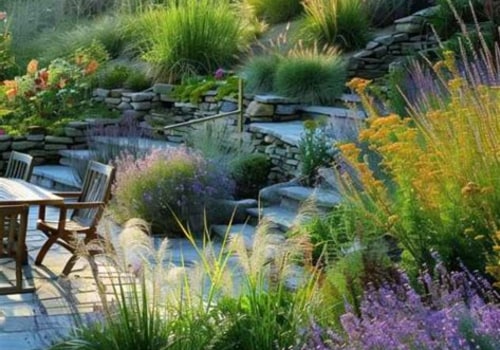
- Accessibility: Ensure that your focal point is easily accessible and can be appreciated up close. This might involve creating pathways or seating areas that invite visitors to engage with the feature directly.
Incorporating Color and Texture Around Focal Points
Creating a stunning focal point in your ornamental garden involves more than just selecting an eye-catching centerpiece; it also requires a thoughtful approach to color and texture.By carefully choosing plants and materials that complement your focal point, you can enhance its visual impact and create a harmonious garden design.
Using Color to Enhance Focal Points
Color plays a crucial role in drawing attention to specific areas of your garden. To effectively incorporate color around your focal point, consider the following:- Contrast: Use contrasting colors to make your focal point stand out. For example, if your focal point is a vibrant red sculpture, surround it with lush green foliage or soft white flowers.
- Complementary Colors: Choose plants with colors that complement your focal point. If your centerpiece is blue, consider adding yellow or orange flowers nearby to create a visually appealing contrast.
- Seasonal Variation: Incorporate plants that bloom at different times of the year to maintain interest and color throughout the seasons.
This ensures that your focal point remains engaging no matter the time of year.
Incorporating Texture for Depth
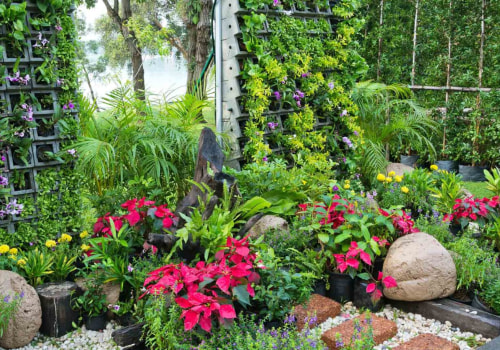
The texture of plants and materials can add depth and dimension to your garden. Here are some tips for using texture effectively:- Diverse Foliage: Mix plants with different leaf shapes and sizes. For instance, combine broad-leaved hostas with fine-textured ferns to create a rich tapestry of textures around your focal point.
- Hardscape Elements: Use stones, gravel, or wood in various finishes to add tactile contrast. A smooth stone path leading to a rough-textured sculpture can enhance the overall aesthetic.
- Layering Plants: Arrange plants in layers, placing taller varieties behind shorter ones.
This not only adds visual interest but also allows different textures to be appreciated from various angles.
Maintaining Your Focal Points for Long-Term Appeal
Creating a stunning focal point in your ornamental garden is just the beginning; maintaining that beauty requires ongoing effort and attention. Regular maintenance not only preserves the aesthetic appeal of your focal points but also enhances the overall health of your garden.Regular Care Practices
- Watering: Ensure that your focal plants receive adequate moisture, especially during dry spells. Deep watering encourages strong root systems, which are essential for longevity.
- Pruning: Regularly prune your plants to remove dead or diseased branches.
This not only keeps them looking tidy but also promotes healthy growth and flowering.
- Fertilizing: Use a balanced fertilizer during the growing season to provide essential nutrients. Tailor your fertilization schedule based on the specific needs of your focal plants.
Seasonal Adjustments
As seasons change, so do the needs of your garden. Here are some tips for seasonal care:- Spring: This is the time for rejuvenation. Clean up any debris from winter, apply mulch to retain moisture, and check for pests that may have overwintered.
- Summer: Monitor for signs of stress due to heat.
Adjust watering schedules and consider providing shade for delicate plants during peak sun hours.
- Fall: Prepare your garden for winter by cutting back perennials and adding compost to enrich the soil. This will set the stage for a vibrant spring.
- Winter: Protect your focal points from harsh weather by using burlap wraps or mulch. This insulation helps prevent frost damage and maintains soil temperature.
Common Mistakes to Avoid When Creating Focal Points
Creating a stunning focal point in your ornamental garden can elevate the overall aesthetic, but several common mistakes can hinder your efforts. Understanding these pitfalls is essential for achieving a harmonious design.1.Ignoring Scale and Proportion
One of the most frequent errors is selecting a focal point that is either too large or too small for the surrounding space.A massive sculpture may overwhelm a small garden, while a tiny birdbath can get lost in a vast landscape. Always consider the scale of your focal point in relation to the garden's size.
2.Lack of Visual Balance
Another mistake is failing to create visual balance around the focal point. If one side of the garden is heavily planted while the other is sparse, it can create an unappealing asymmetry. To avoid this, distribute plants and features evenly, ensuring that they complement rather than compete with your focal point.3.Choosing the Wrong Location
The placement of your focal point is crucial.A common error is positioning it where it cannot be easily seen or appreciated. Ensure that your focal point is visible from key vantage points in your garden, such as pathways or seating areas.
4.Overcrowding with Competing Elements
While it’s tempting to fill your garden with various elements, overcrowding can dilute the impact of your focal point. Limit the number of competing features nearby to allow your chosen element to stand out. Use negative space effectively to enhance visibility.5.Neglecting Seasonal Changes
A focal point should remain appealing throughout different seasons.Many gardeners make the mistake of choosing plants or features that only look good at certain times of the year. Incorporate elements that provide year-round interest, such as evergreens or structures that offer visual appeal even in winter. By avoiding these common mistakes, you can create a captivating focal point that enhances your ornamental gardening experience and brings joy throughout the seasons.
FAQs About Focal Points in Ornamental Gardening
Creating a focal point in your ornamental garden can significantly enhance its visual appeal and draw attention to specific areas. Here are some frequently asked questions that can help clarify the concept of focal points in garden design:- What is a focal point in an ornamental garden?
A focal point is a specific element that captures the viewer's attention, such as a sculpture, a unique plant, or a water feature. It serves as the centerpiece around which the rest of the garden is designed. - How do I choose the right focal point?
Consider the overall theme of your garden.A large, vibrant flower bed may benefit from a striking statue, while a minimalist garden might use a single, sculptural plant as its focal point.
- Can I have more than one focal point?
Yes, multiple focal points can be effective, especially in larger gardens. However, ensure they complement each other and do not compete for attention. - What materials work best for creating focal points?
Natural materials like stone and wood can blend beautifully with plants, while metals and glass can add a modern touch. Choose materials that align with your garden's style. - How can lighting enhance my focal point?
Strategic lighting can highlight your focal point during the evening hours. Use spotlights or soft ambient lighting to create an inviting atmosphere.
Remember that the goal is to create harmony and balance within your garden space.
Conclusion: Crafting a Beautiful Ornamental Garden with Focal Points
In conclusion, creating a stunning ornamental garden hinges on the strategic use of focal points. These elements not only draw the eye but also provide structure and harmony to your garden design. Throughout this article, we explored various techniques to establish focal points that enhance the overall aesthetic and functionality of your space.To recap, consider the following key strategies:- Choose a central feature: Whether it’s a striking sculpture, a vibrant flower bed, or a tranquil water feature, selecting a central element can anchor your garden.
- Utilize height variations: Incorporating plants of different heights can create layers and depth, making your focal point stand out even more.
- Incorporate color contrasts: Use contrasting colors to make your focal point pop against the backdrop of greenery.
- Frame your focal point: Position surrounding plants or structures to lead the eye toward your chosen feature, enhancing its visibility.
Embrace your creativity and let your ornamental garden reflect your personal style.As you embark on this journey, keep in mind that every garden is unique. The focal points you choose should resonate with your vision and complement the natural landscape. With thoughtful planning and execution, you can create a captivating environment that invites admiration and inspires tranquility.