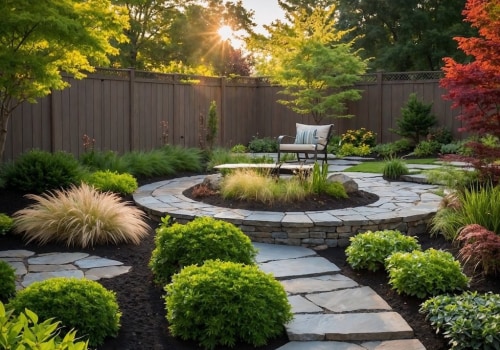
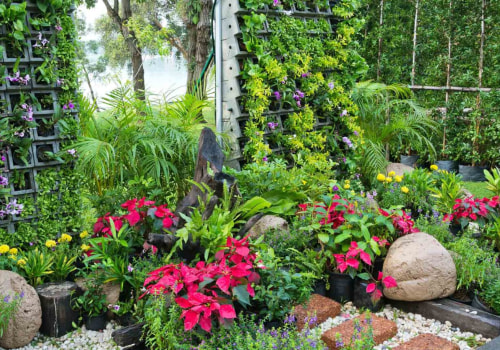
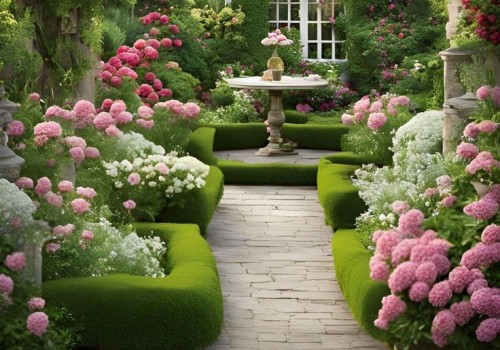
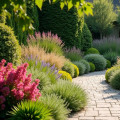
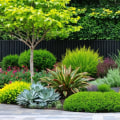
Ornamental gardening is a captivating practice that focuses on cultivating plants primarily for their aesthetic appeal rather than for food production. This form of gardening transforms outdoor spaces into vibrant displays of color, texture, and form, enhancing the beauty of homes and public areas alike. By incorporating a variety of plants, including flowers, shrubs, and trees, ornamental gardening creates visually stunning landscapes that can evoke emotions and inspire creativity. The benefits of ornamental gardening extend beyond mere aesthetics. These gardens contribute to environmental health by promoting biodiversity, improving air quality, and providing habitats for various wildlife species.
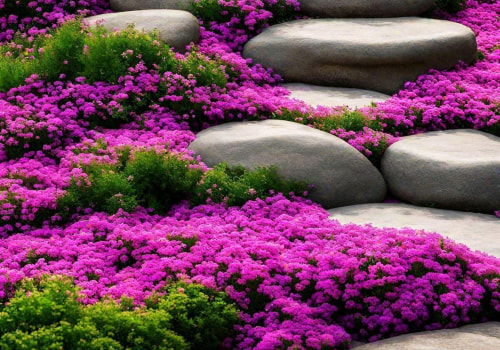
Additionally, they can enhance property values and create serene spaces for relaxation and enjoyment. Whether you are a seasoned gardener or a novice, understanding the significance of ornamental gardening can deepen your appreciation for the natural world. There are numerous types of ornamental plants to consider when designing your garden. From flowering perennials like coneflowers and daylilies to evergreen shrubs such as boxwoods and holly, each plant offers unique characteristics that can complement your garden's overall theme. Trees like Japanese maples or crape myrtles can serve as focal points, while ground covers like creeping thyme add texture and color to the garden floor.
By selecting a diverse array of plants, you can create a dynamic landscape that changes with the seasons, ensuring your garden remains a source of joy throughout the year.
Choosing the Right Plants for Your Garden
When it comes to ornamental gardening, selecting the right plants is crucial for creating a visually appealing and sustainable garden. The first step in this process is to consider your local climate and soil type. Different plants thrive in different conditions, so understanding your garden's environment will help you make informed choices.Best Plants for Ornamental Gardening
- Perennials: These plants return year after year, providing consistent beauty. Consider options like daylilies, hostas, and peonies.
- Shrubs: Incorporate shrubs such as hydrangeas and boxwoods for structure and year-round interest.
- Trees: Small ornamental trees like Japanese maples or crabapples can add height and focal points to your garden.
Seasonal Plants
To keep your garden vibrant throughout the year, consider incorporating seasonal plants.
Spring bulbs like daffodils and tulips can provide early color, while summer annuals such as petunias and marigolds can fill in gaps with bright blooms. In the fall, plants like chrysanthemums can extend the season's beauty.
Native Plants for Ornamental Gardens
Selecting native plants is another excellent strategy for successful ornamental gardening. Native species are adapted to local conditions, making them more resilient to pests and diseases. They also require less water and maintenance compared to non-native varieties.
Examples include Echinacea purpurea, commonly known as purple coneflower, and Aster novae-angliae, or New England aster.
Personal Preference
Your personal taste should also guide your plant selection. Consider colors, textures, and scents that appeal to you. Creating a mood or theme—such as a tropical oasis or a serene Japanese garden—can help you choose plants that align with your vision.In summary, choosing the right plants for your ornamental garden involves understanding your local climate, selecting seasonal varieties, considering native options, and reflecting on your personal preferences. By taking these factors into account, you can cultivate a thriving garden that brings joy throughout the seasons.
Soil Preparation and Fertilization Techniques
To create a thriving ornamental garden, proper soil preparation and effective fertilization techniques are essential.The foundation of any successful garden lies in the quality of its soil, which directly affects plant health and growth.
Soil Preparation for Ornamental Gardens
- Test Your Soil: Begin by testing your soil to determine its pH level and nutrient content. Most ornamental plants thrive in slightly acidic to neutral soil (pH 6.0 to 7.0).
- Amend the Soil: Based on the test results, amend your soil with organic matter such as compost or well-rotted manure. This not only improves soil structure but also enhances nutrient availability.
- Tilling: Loosen the soil by tilling it to a depth of at least 12 inches. This helps aerate the soil and allows roots to penetrate more easily.
- Drainage: Ensure proper drainage by incorporating sand or perlite if your soil is heavy clay.
Good drainage is crucial for preventing root rot in ornamental plants.
Best Fertilizers for Ornamental Plants
- Slow-Release Fertilizers: These are ideal for ornamental gardens as they provide a steady supply of nutrients over time, reducing the risk of over-fertilization.
- Organic Options: Consider using organic fertilizers like fish emulsion or seaweed extract, which not only nourish plants but also improve soil health.
- N-P-K Ratios: Choose fertilizers with balanced N-P-K (Nitrogen, Phosphorus, Potassium) ratios suitable for your specific plants. For flowering plants, a higher phosphorus content can promote blooming.
Soil Types for Gardening
The type of soil you have can significantly influence your ornamental gardening success. Here are common soil types:
- Sandy Soil: Drains quickly but may require more frequent watering and fertilization due to low nutrient retention.
- Clay Soil: Retains moisture well but can become compacted; adding organic matter can improve its structure.
- Silty Soil: Rich in nutrients and retains moisture effectively, making it ideal for many ornamental plants.
Watering Strategies for Ornamental Gardens
Effective watering strategies are crucial for maintaining a vibrant and healthy ornamental garden. Proper hydration not only supports plant growth but also enhances the overall aesthetic appeal of your garden.Here are some essential tips to consider:
- Understand Your Plants' Needs: Different plants have varying water requirements. Research the specific needs of your ornamental plants to tailor your watering schedule accordingly.
- Water Deeply and Infrequently: Instead of frequent shallow watering, aim for deep watering sessions that encourage roots to grow deeper into the soil. This practice helps plants become more resilient during dry spells.
- Time Your Watering: Watering early in the morning or late in the afternoon minimizes evaporation and allows plants to absorb moisture effectively. Avoid watering during the hottest part of the day.
Irrigation Systems
Implementing an efficient irrigation system can significantly enhance your watering strategy:- Drip Irrigation: This system delivers water directly to the plant's roots, reducing waste and ensuring that moisture reaches where it's needed most.
- Soaker Hoses: These hoses allow water to seep out slowly along their length, providing consistent moisture to garden beds without over-saturating the soil.
- Timers and Sensors: Consider using timers or moisture sensors to automate your irrigation system.
This technology helps prevent overwatering and conserves water resources.
Drought-Resistant Plants
Incorporating drought-resistant plants into your ornamental garden can significantly reduce your watering needs:- Select Native Species: Native plants are adapted to local climate conditions and typically require less water once established.
- Choose Succulents and Cacti: These plants store water in their leaves and stems, making them ideal for low-water gardens.
- Group Plants Wisely: Plant drought-tolerant species together to create a cohesive look while minimizing water usage.
Pruning and Maintenance Practices
Maintaining an ornamental garden requires a commitment to regular pruning and care practices that enhance both the health of your plants and the overall aesthetic of your garden. Here are some essential tips to keep your ornamental plants thriving:Pruning Techniques for Ornamental Plants
- Timing is Key: The best time to prune most ornamental plants is during their dormant season, typically late winter or early spring. This minimizes stress on the plants and encourages new growth.
- Use the Right Tools: Invest in quality pruning shears, loppers, and saws. Ensure they are sharp and clean to make precise cuts that promote healing.
- Know Your Plants: Different species have unique pruning needs.
Research specific requirements for each type of plant in your garden to avoid damaging them.
- Remove Dead or Diseased Wood: Regularly inspect your plants for any dead or diseased branches and remove them promptly to prevent the spread of disease.
Garden Maintenance Tips
- Mulching: Apply a layer of organic mulch around your plants to retain moisture, suppress weeds, and regulate soil temperature.
- Watering Schedule: Establish a consistent watering routine, especially during dry spells. Deep watering encourages strong root development.
- Pest Management: Keep an eye out for pests and diseases. Use organic solutions whenever possible to protect beneficial insects.
Seasonal Garden Care
Your ornamental garden will require different care throughout the seasons:- Spring: Focus on pruning, fertilizing, and planting new annuals or perennials.
- Summer: Monitor for pests, deadhead flowers, and ensure adequate watering during hot months.
- Fall: Prepare for winter by cutting back perennials, cleaning up debris, and applying mulch for insulation.
- winter: Protect sensitive plants with burlap or frost cloths as needed, and plan for spring planting.
Pest Control and Disease Management
Maintaining a vibrant and healthy ornamental garden requires vigilance against pests and diseases that can threaten the beauty and vitality of your plants. Understanding common threats and implementing effective management strategies is essential for any gardener.Common Pests in Ornamental Gardens
- Aphids: These small, sap-sucking insects can quickly infest plants, leading to stunted growth and distorted leaves.
- Spider Mites: Often found on the undersides of leaves, spider mites can cause yellowing and webbing on plants.
- Whiteflies: These tiny, white insects feed on plant sap and can transmit diseases, weakening your ornamental plants.
Common Diseases in Ornamental Plants
- Powdery Mildew: This fungal disease appears as a white powdery substance on leaves, thriving in warm, dry conditions.
- Root Rot: Caused by overwatering or poor drainage, root rot can lead to wilting and eventual plant death.
- Leaf Spot: This disease manifests as dark spots on leaves, often caused by fungal infections or bacterial pathogens.
Organic Pest Management Strategies
To effectively manage pests and diseases in your ornamental garden while minimizing chemical use, consider the following organic strategies:- Encourage Beneficial Insects: Ladybugs and lacewings are natural predators of aphids and other pests.
Planting flowers that attract these beneficial insects can help keep pest populations in check.
- Neem Oil: This natural pesticide disrupts the life cycle of many pests without harming beneficial insects when used correctly.
- Regular Monitoring: Inspect your plants regularly for signs of pests or disease. Early detection is key to effective management.
- Cultural Practices: Ensure proper spacing between plants for good air circulation, and avoid overhead watering to reduce humidity that fosters disease development.
Creating Visual Interest with Design Principles
Creating a visually appealing ornamental garden requires a thoughtful approach to garden design principles. By understanding and applying these principles, you can enhance the aesthetic quality of your garden while ensuring that it remains functional and harmonious.Color Schemes in Gardening
One of the most impactful elements in ornamental gardening is the use of color schemes. Colors can evoke emotions and set the mood of your garden.Here are some tips for effectively using color:
- Complementary Colors: Pair colors that are opposite each other on the color wheel, such as purple and yellow, to create vibrant contrasts.
- Analogous Colors: Use colors that are next to each other on the wheel, like blue and green, for a more serene and cohesive look.
- Monochromatic Schemes: Choose varying shades of a single color to create depth while maintaining a unified appearance.
Layering Plants in Gardens
Another essential principle is layering plants. This technique not only adds dimension but also enhances visual interest. Consider the following strategies:- Height Variation: Place taller plants at the back or center of your garden bed, with medium-height plants in front, and shorter plants at the edges. This creates a natural flow and allows all plants to be visible.
- Textural Contrast: Combine plants with different leaf shapes and sizes.
For example, pairing broad-leaved hostas with fine-textured ferns can create an engaging contrast.
- Seasonal Interest: Select plants that bloom at different times throughout the year. This ensures that your garden remains vibrant and interesting across all seasons.
Seasonal Care Tips for Ornamental Gardens
Maintaining an ornamental garden requires attention to seasonal changes, ensuring that your plants thrive throughout the year. Here’s a breakdown of essential care tips for each season:Spring Care Tips
- Soil Preparation: As the frost melts, begin by testing your soil's pH and nutrient levels. Amend the soil with organic matter to promote healthy growth.
- Planting: Spring is the ideal time for planting new ornamental species.
Choose varieties that bloom in succession to maintain color throughout the season.
- Pruning: Trim back any dead or damaged branches from perennials and shrubs to encourage new growth and improve air circulation.
- Mulching: Apply a layer of mulch around your plants to retain moisture and suppress weeds as temperatures rise.
Summer Care Tips
- Watering: Ensure consistent watering, especially during dry spells. Deep watering encourages root growth, so aim for about an inch of water per week.
- Pest Management: Keep an eye out for pests and diseases. Use organic pesticides or introduce beneficial insects to control infestations naturally.
- Deadheading: Regularly remove spent flowers to promote further blooming and maintain the aesthetic appeal of your garden.
Fall Care Tips
- Fertilization: Apply a slow-release fertilizer in early fall to prepare your plants for winter dormancy.
- Planting Bulbs: Fall is the perfect time to plant spring-blooming bulbs like tulips and daffodils, ensuring vibrant colors come spring.
- Leaf Cleanup: Rake fallen leaves regularly to prevent mold and disease from developing in your garden beds.
Winter Care Tips
- Protection: Use burlap or frost cloths to protect delicate plants from harsh winter winds and freezing temperatures.
- Irrigation: Water your garden before the ground freezes to ensure plants have enough moisture during winter dormancy.
- Planning: Take this time to plan for next year’s garden layout, considering which plants thrived and which may need replacing or relocating.
Frequently Asked Questions about Ornamental Gardening
Ornamental gardening can be a rewarding hobby, but it often comes with its own set of challenges. Here are some common questions and answers to help you navigate your ornamental garden.What are the best plants for an ornamental garden?
Choosing the right plants is crucial for a successful ornamental garden.Some popular options include:
- Perennials: Such as daylilies and hostas, which return year after year.
- Shrubs: Like hydrangeas and azaleas, providing structure and color.
- Annuals: Such as petunias and marigolds, which add vibrant seasonal color.
- Ornamental grasses: For texture and movement in your garden.
How do I troubleshoot common garden issues?
If you encounter problems in your ornamental garden, consider these tips:- Pest control: Identify pests early. Use organic solutions like neem oil or insecticidal soap to manage infestations.
- Diseases: Look for signs of fungal infections or wilting. Ensure proper air circulation and avoid overhead watering to minimize disease risk.
- Nutrient deficiencies: Yellowing leaves may indicate a lack of nutrients. Conduct a soil test and amend with appropriate fertilizers.
What are some best practices for maintaining an ornamental garden?
To keep your ornamental garden thriving, follow these best practices:- Regular watering: Ensure consistent moisture, especially during dry spells.
Early morning is the best time to water.
- Mulching: Apply a layer of mulch to retain moisture, suppress weeds, and regulate soil temperature.
- Pruning: Regularly prune dead or overgrown branches to encourage healthy growth and improve air circulation.
- Seasonal clean-up: Remove debris and spent flowers at the end of each season to prevent pests and diseases from overwintering.