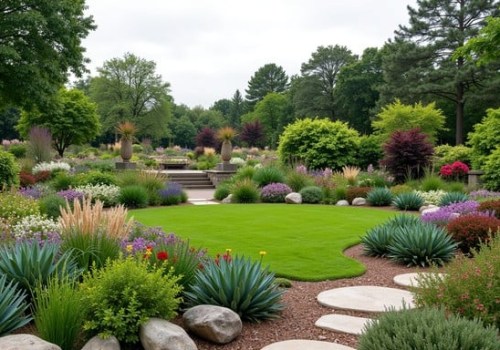
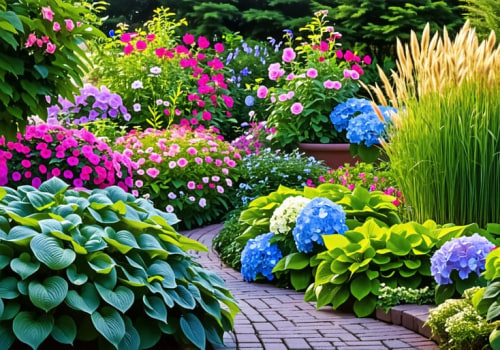
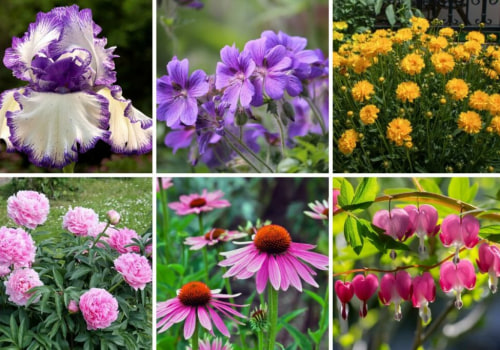
Ornamental gardening is a captivating form of gardening that focuses on the aesthetic appeal of plants and landscapes. Unlike traditional gardening, which often prioritizes functionality and food production, ornamental gardening emphasizes beauty, design, and the overall visual impact of a garden space. This practice allows gardeners to express their creativity through the selection of various plants, flowers, and landscaping elements, creating a serene environment that can enhance any outdoor area. The benefits of ornamental gardening extend beyond mere aesthetics. A well-designed ornamental garden can serve as a peaceful retreat, providing a space for relaxation and reflection.
Additionally, these gardens can improve property value and curb appeal, making them an attractive feature for homeowners. Furthermore, ornamental gardens can support local wildlife by providing habitats for birds, butterflies, and beneficial insects, contributing to biodiversity in urban and suburban settings. As you embark on your ornamental gardening journey, understanding its significance and potential benefits is crucial. This knowledge not only enriches your gardening experience but also prepares you to avoid common pitfalls that many novice gardeners encounter. By appreciating the art and science behind ornamental gardening, you can cultivate a vibrant landscape that reflects your personal style while reaping the numerous rewards it offers.
Choosing the Wrong Plants
One of the most significant common plant mistakes in ornamental gardening is selecting the wrong plants for your specific environment.Understanding your garden's climate, soil type, and sunlight exposure is crucial for creating a thriving ornamental garden.
Climate Compatibility
- Before choosing plants, assess your local climate zone. Some plants thrive in warm, humid conditions, while others prefer cooler, drier climates.
- Research the hardiness zone of potential plants to ensure they can survive winter temperatures in your area.
Growth Habits
- Consider the mature size of the plants. Selecting species that will outgrow their space can lead to overcrowding and competition for resources.
- Pay attention to growth habits such as spreading versus clumping. Some plants may take over your garden if not properly managed.
Soil and Sunlight Requirements
- Different plants have varying soil preferences.
Conduct a soil test to determine pH and nutrient levels, ensuring you choose plants that will thrive in your garden's soil conditions.
- Evaluate the sunlight exposure in your garden. Some plants require full sun, while others thrive in partial shade. Planting sun-loving species in shaded areas can lead to poor growth and health.
Neglecting Soil Quality
In ornamental gardening, the foundation of a thriving garden lies in the quality of the soil. Neglecting soil quality can lead to a cascade of problems that affect plant health, growth, and overall garden aesthetics.Here are some common mistakes related to soil preparation and maintenance that gardeners should avoid:
- Ignoring Soil Testing: One of the most significant errors is failing to conduct a soil test. This test reveals pH levels, nutrient content, and organic matter, allowing you to amend the soil appropriately. Without this knowledge, you may inadvertently add the wrong fertilizers or amendments.
- Overlooking Drainage: Poor drainage can suffocate roots and promote diseases. Ensure your garden has adequate drainage by incorporating organic matter and avoiding compacted soils.
Raised beds can also help improve drainage.
- Using Poor-Quality Soil Amendments: Not all soil amendments are created equal. Using low-quality compost or fertilizers can introduce pathogens or harmful chemicals into your garden. Always opt for reputable sources when selecting amendments.
- Neglecting Organic Matter: Organic matter is crucial for maintaining soil structure and fertility. Failing to add compost or well-rotted manure can lead to nutrient deficiencies and poor plant performance.
- Compacting Soil: Walking on garden beds or using heavy equipment can compact the soil, reducing aeration and water infiltration.
Use pathways to minimize soil compaction and consider using mulch to protect the surface.
Overwatering and Underwatering
In ornamental gardening, achieving the right balance in watering is crucial for the health and beauty of your plants. Both overwatering and underwatering can lead to significant issues that may compromise the vitality of your garden.Overwatering
is a common mistake that many gardeners make, often believing that more water equates to healthier plants. However, excessive moisture can suffocate roots, leading to root rot and fungal diseases.
Signs of overwatered plants include yellowing leaves, wilting despite wet soil, and a foul smell emanating from the soil. To avoid this, ensure that your pots have adequate drainage and allow the top inch of soil to dry out before watering again.On the other hand, underwatering can be just as detrimental. Insufficient water can cause stress to your ornamental plants, leading to wilting, browning leaf edges, and stunted growth. Different plants have varying water needs; for instance, succulents require less frequent watering compared to ferns.
To determine how much to water your ornamental plants, consider the following:
- Soil Type: Sandy soils drain quickly and may need more frequent watering, while clay soils retain moisture longer.
- Plant Type: Research the specific watering needs of each plant species in your garden.
- Weather Conditions: Hotter temperatures and windy days increase evaporation rates, necessitating more frequent watering.
- Time of Year: During the growing season, plants typically require more water than in dormancy.
Ignoring Seasonal Changes
One of the most significant mistakes in ornamental gardening is ignoring seasonal changes. Each season brings unique challenges and opportunities that can greatly affect the health and aesthetics of your garden.Failing to adapt your gardening practices accordingly can lead to poor plant performance and wasted resources.
Spring
is a time of renewal, and it’s crucial to prepare your garden for the growing season. A common mistake is planting too early, which can expose young plants to late frosts. Always check local frost dates and consider using protective covers if you’re eager to get a head start.During summer , many gardeners overlook the need for adequate watering and mulching. As temperatures rise, plants require more moisture, and neglecting this can lead to stress or even death.
Additionally, failing to apply mulch can result in increased weed growth and soil erosion. Regularly check soil moisture levels and adjust your watering schedule as needed.
Fall
is often seen as a time to wind down, but it’s essential to prepare your garden for winter. A frequent error is not properly pruning or deadheading plants before the cold sets in. This can lead to disease and pest issues in the spring.
Moreover, leaving fallen leaves on the ground can create a habitat for pests; instead, consider composting them or using them as mulch.Finally, in winter , many ornamental gardeners forget about their plants entirely. While some plants go dormant, others may need protection from harsh weather conditions. Covering sensitive plants with burlap or using frost cloth can prevent damage from freezing temperatures. Additionally, regular checks on evergreens for signs of stress can help you take action before it’s too late.By understanding the specific needs of your ornamental garden throughout the seasons, you can avoid these common mistakes and ensure a thriving landscape year-round.
Poor Planning and Design
When it comes to ornamental gardening, one of the most significant pitfalls is poor planning and design.A well-thought-out layout not only enhances the aesthetic appeal of your garden but also ensures that plants thrive in their designated spaces. Without proper planning, you may end up with overcrowded areas, insufficient sunlight for certain plants, or a lack of cohesive design.
Garden design mistakes
often stem from a lack of understanding of the space you are working with. Before planting, take the time to assess your garden's size, shape, and existing features such as trees, pathways, and structures. This assessment will help you create a layout that complements the natural landscape while maximizing visual interest.- Ignoring Scale: One common mistake is not considering the scale of plants in relation to each other and the surrounding environment.
Large plants can overshadow smaller ones, leading to an unbalanced look.
- Neglecting Plant Needs: Different plants have varying requirements for sunlight, water, and soil type. Failing to group plants with similar needs can result in poor growth and health.
- Lack of Focal Points: A garden without focal points can feel chaotic and uninviting. Incorporating elements like sculptures, benches, or unique plant arrangements can draw the eye and create a sense of harmony.
Pay attention to the height and spread of plants at maturity to ensure they fit well within your design.In conclusion, investing time in planning your ornamental garden layout can save you from costly mistakes down the line. A thoughtful design not only enhances beauty but also promotes a healthy environment for your plants to flourish.
Neglecting Pest Control and Maintenance
One of the most critical aspects of ornamental gardening is the consistent attention to pest control and maintenance. Neglecting these areas can lead to significant damage, not only to the plants but also to the overall aesthetic appeal of your garden.Pest Control in Ornamental Gardening
- Regular Monitoring: It’s essential to regularly inspect your plants for signs of pests. Look for discolored leaves, webbing, or any unusual spots that may indicate an infestation.
- Integrated Pest Management (IPM): Implementing an IPM approach can help manage pests effectively.
This includes using natural predators, introducing beneficial insects, and applying organic pesticides when necessary.
- Timing is Key: Apply pest control measures at the right time. Early intervention can prevent a small problem from becoming a larger issue.
Maintenance Mistakes to Avoid
- Inconsistent Watering: Overwatering or underwatering can stress your ornamental plants. Establish a regular watering schedule based on the specific needs of your plants and the climate conditions.
- Neglecting Soil Health: Healthy soil is the foundation of a thriving garden. Regularly amend your soil with organic matter and ensure proper drainage to promote root health.
- Ignoring Pruning Needs: Pruning is vital for maintaining the shape and health of ornamental plants.
Regularly remove dead or diseased branches to encourage new growth and improve air circulation.
Failing to Research Plant Compatibility
One of the most significant mistakes in ornamental gardening is failing to research plant compatibility. Understanding which plants thrive together is crucial for creating a harmonious and visually appealing garden. When plants are compatible, they can enhance each other's growth, while incompatible plants may compete for resources or even harm one another.Companion planting
is a technique that involves pairing plants that benefit each other.However, many gardeners overlook this aspect, leading to poor plant health and aesthetics. Here are some common errors related to plant compatibility:
- Ignoring Growth Requirements: Different plants have varying needs for sunlight, water, and soil type. For instance, placing shade-loving plants next to sun-loving varieties can lead to stunted growth or even plant death.
- Neglecting Pest Control Benefits: Some plants naturally repel pests when grown together. For example, marigolds are known to deter nematodes and other harmful insects.
Failing to incorporate such plants can result in increased pest problems.
- Overcrowding: Planting too many species in a small area can lead to competition for nutrients and space. This overcrowding can stunt growth and reduce the overall health of your garden.
- Not Considering Root Systems: The root systems of different plants can interfere with one another. Deep-rooted plants may outcompete shallow-rooted ones for water and nutrients, leading to an imbalance in your garden.
By ensuring proper plant compatibility, you can create a thriving garden that not only looks beautiful but also supports the health of its inhabitants.
Conclusion: Key Takeaways for Successful Ornamental Gardening
In conclusion, successful ornamental gardening requires careful planning and attention to detail. By avoiding common mistakes, gardeners can create stunning landscapes that thrive and bring joy throughout the seasons. Here are the key takeaways to keep in mind:- Choose the Right Plants: Selecting plants that are well-suited to your climate and soil conditions is crucial. Researching native species can lead to a more sustainable and resilient garden.
- Understand Plant Needs: Each plant has specific requirements for sunlight, water, and nutrients.
Failing to meet these needs can result in poor growth or plant death.
- Avoid Overcrowding: While it may be tempting to fill every available space, overcrowding can lead to competition for resources and increased susceptibility to pests and diseases.
- Plan for Seasonal Changes: Incorporating a variety of plants that bloom at different times ensures year-round interest and helps maintain a balanced ecosystem.
- Regular Maintenance: Consistent care, including pruning, weeding, and fertilizing, is essential for keeping your garden healthy and vibrant.