The history of ornamental gardening is a rich tapestry woven through the ages, reflecting the cultural values and aesthetic sensibilities of ancient civilizations. The origins of gardening can be traced back to the fertile lands of Mesopotamia, where the earliest known gardens were cultivated around 3000 BCE. These gardens were not merely functional; they were designed to showcase beauty and provide a serene environment for reflection and leisure. The use of geometric layouts, vibrant flowers, and fragrant herbs marked the beginning of what we now recognize as ornamental gardening. In ancient Egypt, gardens took on a more symbolic role, often associated with religious practices and the afterlife.
The Egyptians cultivated lush gardens filled with date palms, sycamores, and various flowering plants, which were believed to please the gods and provide sustenance in the afterlife. These gardens were meticulously planned, often featuring water features and shaded areas that created a tranquil oasis amidst the arid landscape. As civilizations evolved, so did the concept of ornamental gardening. The Greeks and Romans further refined these practices, introducing elaborate designs that included terraces, fountains, and sculptures. The Roman gardens, in particular, became a status symbol among the elite, showcasing not only their wealth but also their appreciation for nature's beauty.
This historical progression laid the groundwork for modern ornamental gardening, influencing styles and techniques that continue to resonate today.
The Influence of Ancient Cultures on Ornamental Gardening
The practice of ornamental gardening has deep roots in ancient cultures, with each civilization contributing unique elements that shaped its evolution. Among these, the Romans and the Chinese stand out for their profound influence on garden aesthetics and design.Roman Gardens
In ancient Rome, gardens were not merely functional spaces; they were symbols of wealth and sophistication. The Romans pioneered the concept of the villa garden, which combined beauty with utility. These gardens often featured:- Symmetrical layouts that emphasized order and harmony.
- Water features, such as fountains and ponds, which added tranquility and visual interest.
- Exotic plants imported from conquered territories, showcasing the empire's vast reach.
Chinese Gardens
Meanwhile, in ancient China, gardens were designed as microcosms of nature, embodying philosophical principles such as harmony and balance.The Chinese approach to ornamental gardening emphasized:
- Natural landscapes, integrating rocks, water, and plants to create serene environments.
- Cultural symbolism, where specific plants like bamboo and lotus represented virtues such as resilience and purity.
- Pavilions and pathways, which encouraged contemplation and reflection within the garden space.
The Renaissance and the Birth of Formal Gardens
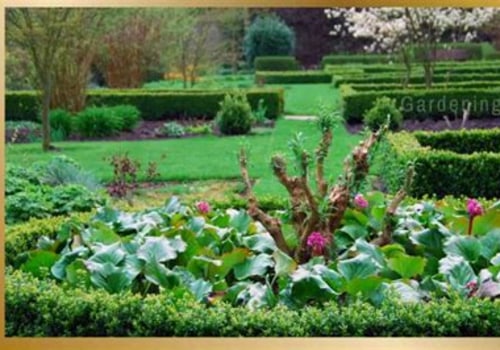
The Renaissance, spanning from the 14th to the 17th century, marked a significant turning point in the history of ornamental gardening. This period was characterized by a renewed interest in classical antiquity, which profoundly influenced garden design. The emergence of formal gardens during this time reflected the era's emphasis on symmetry, order, and proportion, mirroring the architectural styles of the period.One of the most notable features of Renaissance gardens was their structured layout. Unlike the more naturalistic gardens of the medieval period, Renaissance gardens were meticulously planned and often featured geometric shapes.These gardens typically included:
- Symmetrical pathways that guided visitors through the space
- Terraces that created levels and visual interest
- Fountains and water features that served as focal points
- Topiary and clipped hedges that showcased artistry in plant shaping
- Statues and ornamental elements that added a touch of classical beauty
Meanwhile, in England, the influence of Renaissance principles began to blend with emerging naturalistic styles, paving the way for future garden movements.The Renaissance period laid the groundwork for modern ornamental gardening, establishing principles that continue to influence garden design today. The focus on aesthetics, structure, and harmony remains central to many contemporary gardens, showcasing the enduring legacy of this transformative era.
The Victorian Era: Ornamental Gardening Flourishes
The Victorian era, spanning from 1837 to 1901, marked a significant turning point in the world of ornamental gardening. This period was characterized by a profound appreciation for nature, which was reflected in the elaborate gardens that adorned the estates of the wealthy. The rise of the middle class and advancements in horticultural techniques allowed for a greater variety of ornamental plants to be cultivated and showcased.One of the defining features of Victorian gardens was their intricate designs, often inspired by the principles of the Romantic movement.Gardeners sought to create picturesque landscapes that evoked emotion and beauty. This led to the incorporation of winding paths, water features, and carefully arranged flower beds. The use of exotic plants, such as ferns, orchids, and tropical species, became increasingly popular as they were imported from distant lands.
- Popular Ornamental Plants:
- Roses: A staple in Victorian gardens, symbolizing love and beauty.
- Lilies: Known for their elegance and fragrance, often used in formal arrangements.
- Fuchsias: Valued for their unique drooping flowers and vibrant colors.
- Geraniums: Commonly used in window boxes and borders for their hardiness.
For instance, the introduction of glasshouses allowed gardeners to cultivate delicate plants that would otherwise not survive in the British climate.Moreover, the Victorian era saw the emergence of themed gardens, such as rock gardens and water gardens, which reflected personal tastes and artistic expressions. These trends not only enhanced the aesthetic appeal of gardens but also encouraged a deeper connection with nature among urban dwellers.In summary, the Victorian era was a golden age for ornamental gardening, characterized by an explosion of creativity and diversity in plant selection and garden design. The legacy of this period continues to influence modern gardening practices today.
20th Century Innovations in Ornamental Gardening
The 20th century marked a significant turning point in the evolution of ornamental gardening, driven by a blend of artistic movements, technological advancements, and changing societal values. As urbanization increased, the demand for aesthetically pleasing green spaces in residential and public areas became paramount.One of the most notable trends was the rise of modernist garden design, which emphasized simplicity, functionality, and the integration of natural elements.Influential figures such as Gertrude Jekyll and Russell Page championed the use of color theory and plant combinations that enhanced visual appeal while promoting biodiversity.
- Use of Native Plants: The 20th century saw a shift towards incorporating native plants into ornamental gardens, promoting sustainability and ecological balance.
- Garden Structures: Innovations in materials led to the creation of new garden structures such as pergolas, trellises, and raised beds, which added vertical interest and functionality.
- Water Features: The introduction of fountains, ponds, and other water features became popular, enhancing the sensory experience of gardens.
These developments continue to influence how we approach garden design today, ensuring that ornamental gardens remain vibrant and relevant in our ever-changing world.
Sustainable Practices in Modern Ornamental Gardening
In recent years, sustainable practices have become a cornerstone of modern ornamental gardening, reflecting a growing awareness of environmental issues and the need for eco-friendly solutions. Gardeners are increasingly adopting methods that not only enhance the beauty of their landscapes but also promote ecological health.One significant trend is the use of native plants, which are well-adapted to local climates and require less water and maintenance compared to non-native species. By incorporating these plants, gardeners can create vibrant, sustainable gardens that support local wildlife, including pollinators like bees and butterflies.Another practice gaining traction is the implementation of permaculture principles. This holistic approach emphasizes working with nature rather than against it, focusing on creating self-sustaining ecosystems.Techniques such as companion planting, where different plants are grown together to enhance growth and deter pests, are becoming popular among ornamental gardeners.
- Water conservation: Modern ornamental gardens often incorporate rain gardens and xeriscaping techniques to minimize water usage.
- Organic gardening: The shift towards organic fertilizers and pest control methods helps maintain soil health and reduces chemical runoff.
- Composting: Many gardeners are now creating compost systems to recycle organic waste, enriching their soil naturally.
By embracing these sustainable practices, gardeners can create beautiful spaces that are both aesthetically pleasing and beneficial to the planet.
FAQs About Ornamental Gardening History
Ornamental gardening has a rich and varied history that reflects cultural values, artistic expression, and advancements in horticultural practices. Here are some frequently asked questions about its history:What are the origins of ornamental gardening?
The practice of ornamental gardening can be traced back to ancient civilizations, such as the Egyptians and Mesopotamians, who cultivated gardens for both aesthetic pleasure and practical purposes. The Hanging Gardens of Babylon, one of the Seven Wonders of the Ancient World, exemplify early ornamental gardening with their lush greenery and intricate design.How did ornamental gardening evolve through the ages?
During the Renaissance, ornamental gardening saw a significant transformation in Europe. Garden design became more formalized, with geometric layouts and symmetry reflecting the ideals of beauty and order.This period also introduced the use of sculptures and fountains as focal points in gardens.
What role did ornamental gardening play in different cultures?
- Chinese gardens emphasized harmony with nature, often incorporating water features and rock formations to create tranquil spaces.
- Japanese gardens, on the other hand, focused on simplicity and natural beauty, using carefully selected plants to evoke a sense of peace.
- In colonial America, ornamental gardening was influenced by European styles but adapted to local conditions, leading to unique garden designs that reflected American identity.