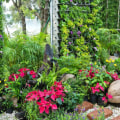
Ornamental gardening is a captivating practice that transforms outdoor spaces into vibrant displays of color, texture, and form. Unlike traditional gardening, which often focuses on growing food crops, ornamental gardening emphasizes aesthetics and the visual appeal of plants. This art form allows gardeners to express their creativity while enhancing the beauty of their surroundings. One of the key components that contribute to the allure of ornamental gardens is the use of perennials.Perennials are plants that live for more than two years, returning each season to provide consistent beauty and structure to gardens.
Their ability to thrive year after year makes them a popular choice among gardeners looking to create lasting landscapes. With a diverse range of species available, perennials can offer an array of colors, shapes, and sizes, making them versatile for various design styles. From the delicate blooms of daylilies to the bold foliage of hostas, these plants play a crucial role in establishing a garden's character.Incorporating perennials into your ornamental garden not only enhances its visual appeal but also promotes ecological balance by attracting pollinators and providing habitats for wildlife. As we delve deeper into the world of ornamental gardening, we will explore specific perennial varieties that can elevate your garden's design and functionality.
Understanding the significance of these plants is essential for anyone looking to cultivate a stunning outdoor space that thrives through the seasons.
What Are Perennials?
Perennials are plants that live for more than two years, making them a staple in ornamental gardening. Unlike annuals, which complete their life cycle in a single growing season, or biennials, which take two years to mature, perennials return year after year, often becoming more robust and vibrant with each passing season.The life cycle of a perennial typically involves a period of growth during the warmer months, followed by dormancy in the winter. This dormancy allows them to conserve energy and resources, enabling them to thrive in various climates. When spring arrives, perennials emerge from their dormant state, often producing beautiful blooms and lush foliage that enhance the aesthetic appeal of gardens.Types of Perennials
- Herbaceous Perennials: These plants die back to the ground each winter but regrow from their root systems in the spring.
Examples include hostas, daylilies, and peonies.
- Woody Perennials: These plants maintain their structure year-round and include shrubs and trees. Common examples are hydrangeas, roses, and lavender.
- Tender Perennials: These plants may not survive harsh winters but can thrive in milder climates. They often require special care or protection during colder months. Examples include geraniums and fuchsias.
- Hardy Perennials: These are well-suited for colder climates and can withstand freezing temperatures.
Examples include coneflowers, siberian iris, and sedum.
Benefits of Using Perennials in Ornamental Gardening
Incorporating perennials into your ornamental gardening offers a multitude of benefits that can enhance both the aesthetic appeal and sustainability of your garden. Here are some key advantages:- Low Maintenance: Once established, perennials require significantly less maintenance compared to annuals. They typically need less frequent watering and fertilization, allowing gardeners to enjoy their beauty without constant upkeep.
- Cost-Effectiveness: Although the initial investment in perennial plants may be higher, they can save money in the long run.
Since perennials return year after year, you won’t need to purchase new plants each season, reducing overall gardening costs.
- Ecological Benefits: Perennials play a crucial role in supporting local ecosystems. They provide habitats for beneficial insects and pollinators, such as bees and butterflies, which are essential for a healthy garden environment.
- Diverse Aesthetics: With a wide variety of shapes, sizes, and colors, perennials can create stunning visual interest throughout the seasons. From vibrant blooms in spring to rich foliage in fall, they offer continuous beauty.
- Soil Health: The deep root systems of many perennial plants help improve soil structure and prevent erosion. This contributes to healthier soil and promotes better water retention.
Popular Perennials for Ornamental Gardening
When it comes to ornamental gardening, choosing the right perennials can significantly enhance the beauty and longevity of your garden.Here are some popular perennials that are favored for their stunning appearance and adaptability:
- Daylilies (Hemerocallis) : Known for their vibrant blooms, daylilies come in a variety of colors and sizes. They thrive in well-drained soil and full sun, making them perfect for borders and mass plantings. Their resilience to drought makes them a favorite among gardeners.
- Peonies (Paeonia) : With their large, fragrant flowers, peonies are a classic choice for ornamental gardens. They prefer full sun and well-drained soil, blooming in late spring to early summer.
Peonies can be used as focal points or in mixed borders.
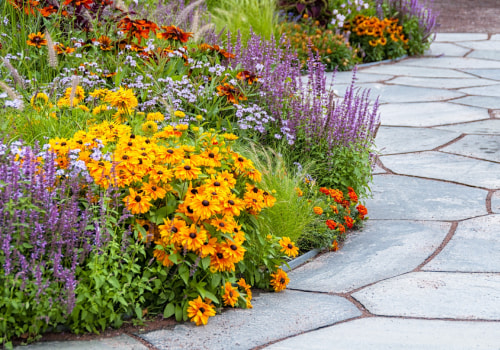
- Black-eyed Susans (Rudbeckia hirta) : These cheerful yellow flowers are excellent for attracting pollinators. They thrive in poor soil and full sun, making them low-maintenance. Black-eyed Susans work well in wildflower gardens or as part of a cottage garden design.
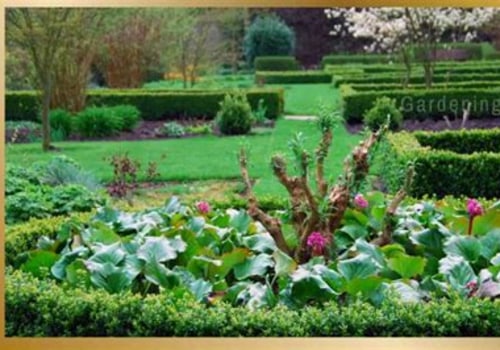
- Hostas : Ideal for shaded areas, hostas offer lush foliage in various shades of green, blue, and gold. They are perfect for creating texture in the garden and can be used as ground cover or in containers.
- Lavender (Lavandula) : Known for its aromatic foliage and beautiful purple flowers, lavender is drought-tolerant and thrives in full sun.
It’s perfect for herb gardens or as a border plant, adding both beauty and fragrance to your space.
Designing with Perennials: Tips and Techniques
Designing a garden with perennials can create a stunning landscape that evolves with the seasons. Here are some essential tips and techniques to consider when planning your ornamental gardening project.Spacing and Arrangement
Proper spacing is crucial for the health and aesthetics of your perennial garden. Consider the mature size of each plant when determining spacing.A good rule of thumb is to space plants according to their width, allowing for air circulation and growth. For example:
- Small perennials (e.g., sedums) can be spaced 12-18 inches apart.
- Medium perennials (e.g., daylilies) should be spaced 18-24 inches apart.
- Tall perennials (e.g., coneflowers) may need 24-36 inches of space.
Color Combinations
When selecting perennials, think about color combinations that will enhance your garden's visual appeal. Use a mix of:- Complementary colors, such as purple and yellow, to create vibrant contrasts.
- Analogous colors, like blue and violet, for a more harmonious look.
- Seasonal interest, incorporating plants that bloom at different times to ensure color throughout the year.
Seasonal Interest
A well-designed perennial garden should offer visual interest in every season. Choose plants that provide:- Spring blooms, such as peonies and bleeding hearts.
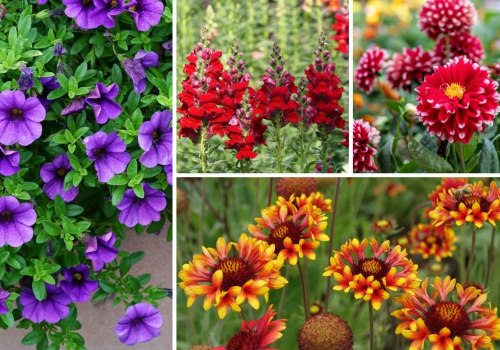
- Summer color, including black-eyed Susans and phlox.
- Fall foliage, like asters and ornamental grasses, which add texture and movement.
Remember to observe your garden's light conditions and soil type to select the best perennials for your specific environment.
Caring for Your Perennial Garden
Caring for your perennial garden is essential to ensure that your plants thrive and continue to provide beauty year after year. Here are some key practices to maintain a healthy and vibrant perennial garden.Watering
Proper watering is crucial for the health of your perennials. Most perennials prefer deep, infrequent watering rather than shallow, frequent watering. Aim to water your plants early in the morning or late in the afternoon to minimize evaporation.During dry spells, ensure that your perennials receive at least an inch of water per week.
Fertilizing
To promote robust growth and flowering, fertilizing your perennials is important. Use a balanced, slow-release fertilizer in early spring as new growth begins. Additionally, consider applying a second round of fertilizer in mid-summer to support blooming. Always follow the manufacturer's instructions to avoid over-fertilization, which can harm your plants.Pruning
Pruning is another vital aspect of perennial care.Deadheading spent flowers encourages more blooms and prevents plants from going to seed too early. In late fall or early spring, cut back dead foliage to promote new growth and improve air circulation around the plants. Some perennials benefit from being divided every few years, which can rejuvenate them and prevent overcrowding.
Pest Management
Keeping an eye out for pests is essential for maintaining a healthy perennial garden. Regularly inspect your plants for signs of infestation, such as discolored leaves or visible insects.Implementing integrated pest management strategies, such as introducing beneficial insects like ladybugs or using organic insecticidal soap, can help control pest populations without harming your garden's ecosystem.By following these essential perennial care tips, you can ensure that your ornamental garden remains a stunning display of color and life throughout the seasons.
Common Mistakes to Avoid When Growing Perennials
When it comes to ornamental gardening, growing perennials can be a rewarding experience, but many gardeners fall into common traps that hinder their success. Here are some frequent mistakes to avoid:- Choosing the Wrong Location: One of the most significant errors is planting perennials in unsuitable locations. Each plant has specific light and soil requirements. Always check the sunlight and soil type preferences of your chosen perennials before planting.
- Overwatering or Underwatering: Striking the right balance in watering is crucial.
Overwatering can lead to root rot, while underwatering can stress the plants. A good rule of thumb is to check the soil moisture before watering; if the top inch is dry, it’s time to water.
- Neglecting Soil Quality: Healthy soil is the foundation of a thriving garden. Many gardeners overlook the importance of soil amendments. Regularly test your soil and amend it with organic matter to improve its structure and nutrient content.
- Ignoring Pest Control: Pests can quickly become a problem if not monitored.
Regularly inspect your plants for signs of infestation and take action promptly. Consider using natural pest control methods to protect your perennials without harming beneficial insects.
- Failing to Prune: Pruning is essential for maintaining the health and appearance of perennials. Neglecting this task can lead to overcrowding and reduced blooms. Familiarize yourself with the specific pruning needs of your plants to encourage robust growth.
By paying attention to location, watering practices, soil quality, pest management, and pruning, you can create a flourishing ornamental garden that showcases beautiful perennial blooms year after year.
Frequently Asked Questions About Perennials in Ornamental Gardening
When it comes to perennial gardening, many enthusiasts have questions about the best practices and care for these long-lasting plants. Here are some frequently asked questions that can help you navigate your journey in ornamental gardening.What are perennials?
Perennials are plants that live for more than two years, returning each season to provide beauty and structure to your garden. Unlike annuals, which complete their life cycle in one growing season, perennials can thrive for many years with proper care.How do I choose the right perennials for my garden?
When selecting perennials, consider the following factors:- Climate: Choose plants that are suited to your local climate zone.
- Soil Type: Test your soil to determine its pH and nutrient levels, which will influence plant health.
- Sunlight: Assess how much sunlight your garden receives daily to select plants that thrive in those conditions.
- Height and Spread: Plan for the mature size of the plants to ensure they fit well in your garden layout.
What is the best time to plant perennials?
The ideal time to plant perennials is in the spring or fall. Spring planting allows the roots to establish before the heat of summer, while fall planting gives them a head start before winter dormancy.How do I care for my perennials?
Caring for perennials involves several key practices:- Watering: Ensure consistent moisture, especially during dry spells, but avoid overwatering.
- Fertilizing: Use a balanced fertilizer in early spring to promote healthy growth.
- Pruning: Deadhead spent blooms and cut back foliage in late fall or early spring to encourage new growth.
- Pest Management: Monitor for pests and diseases, using organic methods whenever possible.
Conclusion: Embracing Perennials in Your Ornamental Garden
In conclusion, incorporating perennials into your ornamental gardening efforts can transform your outdoor space into a vibrant and sustainable landscape.Throughout this article, we have explored the numerous benefits of using perennials, including their ability to provide year-round interest, reduce maintenance efforts, and support local ecosystems.By selecting a diverse range of perennials, you can create a dynamic garden that flourishes with color and texture across the seasons. From the striking blooms of daylilies to the lush foliage of hostas, each plant contributes uniquely to the overall aesthetic and health of your garden.Moreover, perennials are often more resilient than annuals, allowing them to thrive in various conditions while requiring less frequent replanting. This not only saves time and effort but also promotes a more sustainable gardening practice.As you consider your own ornamental gardening projects, think about how you can incorporate these hardy plants into your designs. Here are a few tips to get started:
- Assess Your Space: Evaluate the sunlight, soil type, and moisture levels in your garden to choose the right perennials for your environment.
- Diversity is Key: Mix different species and varieties to create visual interest and attract pollinators.
- Plan for Bloom Times: Select perennials that bloom at different times to ensure continuous color throughout the growing season.
- Consider Foliage: Don’t overlook the importance of foliage; plants like ferns and sedums can add texture even when flowers are not in bloom.
We encourage you to explore the vast array of options available and start planning your perennial garden today!.