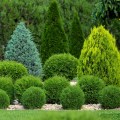
In the realm of ornamental gardening, groundcovers play a pivotal role in enhancing both the aesthetic appeal and functionality of landscapes. These low-growing plants are not just fillers; they serve as a vital component in creating visually striking gardens while also providing numerous benefits. By covering the soil, groundcovers help to suppress weeds, retain moisture, and prevent soil erosion, making them an essential choice for gardeners looking to maintain a healthy and vibrant landscape. Groundcovers come in a variety of forms, from lush green carpets to flowering varieties that add bursts of color throughout the seasons. Their versatility allows them to thrive in diverse conditions, whether in shaded areas or under the blazing sun.
This adaptability makes them an ideal solution for challenging spots in your garden where traditional plants may struggle. Moreover, many groundcovers are low-maintenance, requiring minimal care once established, which is a significant advantage for busy gardeners. Incorporating groundcovers into your ornamental gardening design not only enhances visual interest but also contributes to the overall health of your garden ecosystem. They can create a seamless transition between different garden elements, such as pathways and flower beds, while also providing habitat for beneficial insects and wildlife. As you explore the world of groundcovers, you'll discover how these unassuming plants can transform your garden into a lush, inviting space that captivates the eye and nurtures the environment.
Benefits of Using Groundcovers in Ornamental Gardening
Incorporating groundcovers into your ornamental gardening design offers a multitude of benefits that enhance both the functionality and aesthetic appeal of your garden.Here are some key advantages:
- Weed Suppression: One of the primary benefits of groundcovers is their ability to suppress weeds. By covering the soil, these plants block sunlight, making it difficult for weed seeds to germinate and thrive. This not only reduces the need for chemical herbicides but also minimizes maintenance time.
- Soil Erosion Control: Groundcovers play a crucial role in preventing soil erosion, especially on slopes or areas prone to runoff. Their extensive root systems help anchor the soil in place, reducing the risk of erosion during heavy rains.
- Aesthetic Value: Groundcovers can significantly enhance the visual appeal of your garden.
With a variety of textures, colors, and flowering options available, they can create a lush, vibrant carpet that complements other plants and adds depth to your landscape design.
- Moisture Retention: By covering the soil, groundcovers help retain moisture, reducing the need for frequent watering. This is particularly beneficial in regions with limited rainfall or during dry spells.
- Habitat for Wildlife: Many groundcover plants provide habitat and food for beneficial insects and wildlife. This can promote biodiversity in your garden and contribute to a healthier ecosystem.
Popular Types of Groundcovers for Ornamental Gardening
When it comes to ornamental gardening, selecting the right groundcovers can significantly enhance the aesthetic appeal of your landscape while providing practical benefits such as weed suppression and soil erosion control.Here are some popular types of groundcovers that are favored by gardeners:
- Ajuga (Bugleweed) : Known for its vibrant foliage and spikes of blue flowers, Ajuga thrives in partial shade and is ideal for filling in shady spots. Its low-growing habit makes it perfect for borders and under trees.
- Thymus (Creeping Thyme) : This aromatic herb not only serves as a groundcover but also attracts pollinators. It prefers full sun and well-drained soil, making it an excellent choice for rock gardens or pathways.
- Vinca minor (Periwinkle) : With its glossy leaves and lovely purple flowers, Vinca minor is a hardy groundcover that can tolerate a variety of conditions, including shade. It’s particularly useful for controlling erosion on slopes.
- Sedum (Stonecrop) : Sedums are succulent plants that thrive in dry, sunny areas.
Their fleshy leaves store water, making them drought-resistant. They come in various colors and textures, adding visual interest to any garden.
- Lamium (Dead Nettle) : This versatile groundcover features attractive variegated leaves and blooms in spring. Lamium is perfect for shady areas and can spread quickly, making it an effective choice for filling gaps in the garden.
Low-Maintenance Groundcovers for Busy Gardeners
For those who love the beauty of ornamental gardening but find themselves short on time, choosing the right groundcovers can make all the difference.Here are some low-maintenance groundcovers that not only enhance your garden's aesthetic but also require minimal care.
- Creeping Thyme: This aromatic herb is perfect for sunny spots and produces lovely purple flowers in late spring. It thrives in poor soil and is drought-resistant, making it an ideal choice for busy gardeners.
- Ajuga (Bugleweed): Known for its vibrant foliage and spikes of blue flowers, Ajuga spreads quickly and can tolerate shade. It’s a great option for filling in gaps under trees or in less sunny areas.
- Sedum (Stonecrop): With its fleshy leaves and ability to thrive in dry conditions, Sedum is perfect for rock gardens or as a border plant. Its low-growing habit makes it an excellent choice for a colorful groundcover.
- Pachysandra: This evergreen groundcover is perfect for shady areas.
It requires little maintenance once established and provides year-round greenery, making it a favorite among gardeners.
- Vinca Minor (Periwinkle): With its glossy leaves and lovely blue flowers, Vinca Minor is a hardy groundcover that can handle various soil types and light conditions. It’s particularly effective in controlling weeds.
Groundcovers for Different Climate Zones
Choosing the right groundcovers for your ornamental garden can significantly enhance its aesthetic appeal while ensuring that the plants thrive in their respective climate zones. Below, we categorize some popular groundcovers based on different climate conditions, helping you make informed decisions for your garden.Tropical and Subtropical Zones
- Ajuga (Bugleweed) : This hardy groundcover thrives in warm, humid conditions and produces beautiful blue flowers.
- Periwinkle (Vinca minor) : Known for its glossy leaves and purple blooms, periwinkle is an excellent choice for shaded areas in tropical gardens.
- Sweet Potato Vine : With its vibrant foliage, this plant not only serves as a groundcover but also adds a splash of color to your garden.
Temperate Zones
- Creeping Thyme : Ideal for sunny spots, creeping thyme is drought-resistant and produces lovely purple flowers.
- Irish Moss : This low-growing plant is perfect for cooler climates and provides a lush green carpet effect.
- Blue Star Creeper : A versatile option that works well in both sun and partial shade, it features tiny blue flowers that attract pollinators.
Arid and Semi-Arid Zones
- Desert Carpet (Dymondia margaretae) : This drought-tolerant groundcover is perfect for hot, dry climates and forms a dense mat.
- Stonecrop (Sedum) : With various species available, stonecrop is resilient and thrives in poor soil conditions.
- Trailing Rosemary : Not only does it provide aromatic foliage, but it also withstands dry spells while adding beauty to your landscape.
Always consider factors such as sunlight exposure, soil type, and moisture levels when making your selections.
Creative Uses of Groundcovers in Landscape Design
Groundcovers are not just functional; they can also be a creative element in landscape design. By incorporating these versatile plants, gardeners can achieve stunning visual effects while enhancing the overall health of their gardens.Layering with Other Plants
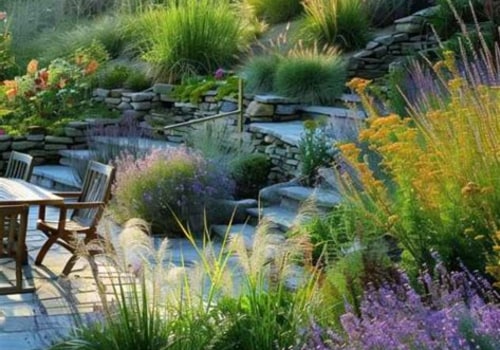
One innovative way to use groundcovers is by layering them with taller plants. For instance, low-growing varieties like creeping thyme or sedum can serve as a lush base for ornamental grasses or flowering perennials. This not only creates a beautiful contrast in height but also adds texture and depth to the garden.Creating Unique Garden Layouts
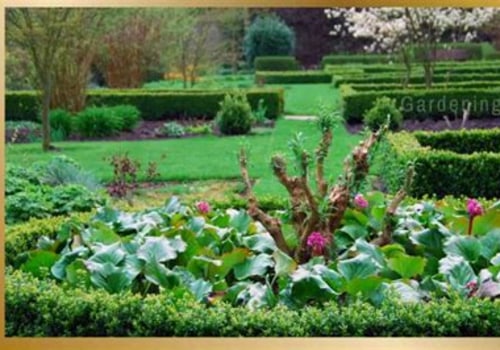
Groundcovers can also be utilized to define spaces within a garden.By planting them in geometric patterns or along pathways, you can guide visitors through your landscape. For example, using a vibrant groundcover like ajuga can create a striking border that leads the eye to focal points such as sculptures or water features.
Using Groundcovers in Edible Landscapes
Incorporating groundcovers into edible landscapes is another creative approach. Plants like strawberry groundcover not only provide delicious fruit but also suppress weeds and retain soil moisture. This dual-purpose use enhances both the aesthetic and functional aspects of your garden.Seasonal Interest
Selecting groundcovers that offer seasonal interest can keep your landscape vibrant year-round.For instance, evergreen varieties provide color during winter months, while deciduous options may showcase stunning fall foliage. Mixing different types ensures that your garden remains visually appealing through all seasons.Ultimately, the creative use of groundcovers in landscape design allows for endless possibilities. By thinking outside the box and experimenting with various combinations, you can transform your garden into a unique and inviting space.
Common Mistakes to Avoid When Choosing Groundcovers
Choosing the right groundcovers for your ornamental gardening can significantly enhance the aesthetic appeal of your landscape. However, many gardeners fall into common traps that can lead to disappointing results.Here are some mistakes to avoid when selecting groundcovers:
- Ignoring Sun and Shade Requirements: One of the most frequent errors is not considering the light conditions of your garden. Each groundcover has specific sun and shade preferences. Failing to match these needs can result in poor growth or even plant death.
- Overlooking Soil Type: Different groundcovers thrive in various soil types. Before making a selection, test your soil's pH and drainage capabilities.
Choosing a plant that is incompatible with your soil can lead to stunted growth or disease.
- Neglecting Maintenance Needs: Some groundcovers require more maintenance than others. Be sure to research the upkeep involved, including pruning, watering, and fertilization. Selecting low-maintenance options can save you time and effort in the long run.
- Choosing Invasive Species: While some groundcovers may seem appealing due to their rapid growth, they can become invasive and choke out other plants in your garden. Always check if a species is known for its invasiveness in your region.
- Not Considering Growth Habits: Groundcovers can spread quickly or remain compact.
Understanding their growth habits will help you avoid overcrowding and ensure that each plant has enough space to thrive.
- Research each plant's specific needs regarding light, soil, and water.
- Consult local gardening resources or extension services for advice on suitable groundcovers for your area.
- Plan your garden layout carefully to accommodate the growth habits of your chosen plants.
FAQs About Groundcovers in Ornamental Gardening
Groundcovers are a popular choice in ornamental gardening for their ability to enhance aesthetics while providing practical benefits. Here are some frequently asked questions about groundcovers:- What are groundcovers? Groundcovers are low-growing plants that spread across the ground, effectively covering bare soil. They can help prevent erosion, suppress weeds, and add visual interest to garden spaces.
- Why should I use groundcovers in my garden? Using groundcovers in ornamental gardening can improve soil health, reduce maintenance needs, and create a lush, green carpet that enhances the overall beauty of your landscape.
- What types of groundcovers are best for ornamental gardens? Some popular options include:
- Creeping Thyme: A fragrant option that attracts pollinators and thrives in sunny areas.
- Pachysandra: Ideal for shady spots, this evergreen plant provides year-round greenery.
- Ajuga (Bugleweed): Known for its vibrant foliage and blue flowers, it works well in both sun and shade.
- How do I choose the right groundcover for my garden? Consider factors such as sunlight exposure, soil type, and the intended purpose of the groundcover. For instance, if you need a plant that can handle foot traffic, look for sturdier varieties like Creeping Juniper.
- Can groundcovers be invasive? Yes, some groundcovers can become invasive if not managed properly.
It's essential to research each plant's growth habits and choose non-invasive varieties to maintain balance in your garden.
Conclusion: Embracing Groundcovers in Your Ornamental Garden
In conclusion, incorporating groundcovers into your ornamental garden can significantly enhance its beauty and functionality. Throughout this article, we have explored various popular groundcovers that not only provide aesthetic appeal but also serve practical purposes such as weed suppression, soil erosion control, and moisture retention.From the vibrant hues of creeping thyme to the lush greenery of moss, each groundcover offers unique characteristics that can complement your garden's design. Additionally, many of these plants are low-maintenance, making them ideal for gardeners seeking to reduce their workload while still achieving a stunning landscape.- Enhancing Aesthetics: Groundcovers can create a visually appealing tapestry of colors and textures.
- Environmental Benefits: They help improve soil health and support local wildlife.
- Practical Uses: Groundcovers can fill in bare spots, reduce the need for mulch, and minimize weed growth.
Whether you choose to mix and match different varieties or stick to a single type for uniformity, these plants will undoubtedly contribute to the charm and health of your ornamental gardening endeavors.