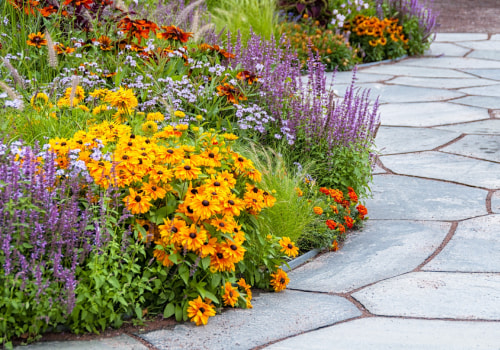
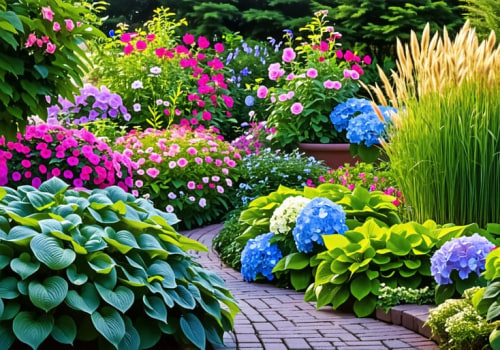
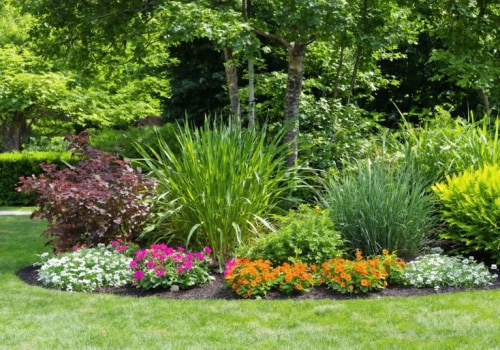
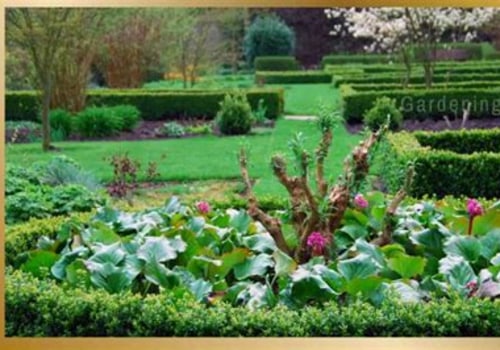
Ornamental gardening is a captivating practice that transforms outdoor spaces into vibrant displays of color and texture. By focusing on aesthetics, gardeners can create stunning landscapes that not only enhance the beauty of their homes but also provide a sanctuary for wildlife. One of the most effective ways to achieve this visual appeal is through the use of annual plants, which are known for their ability to bloom profusely throughout the growing season. Annuals are unique in that they complete their life cycle within a single year, offering a wide variety of colors, shapes, and sizes. This characteristic allows gardeners to experiment with different combinations and designs each season, ensuring that their gardens remain fresh and dynamic.
From the cheerful petunia to the elegant marigold, these plants can be strategically placed to create eye-catching focal points or to fill in gaps in perennial beds. Incorporating annuals into your ornamental gardening plan not only adds immediate visual interest but also provides opportunities for seasonal change. As you explore various gardening tips, consider how these versatile plants can complement your existing landscape. Whether you’re looking to create a bold statement or a subtle backdrop, understanding the role of annuals will empower you to design a garden that reflects your personal style while thriving in its environment.
What Are Annuals in Ornamental Gardening?
In the realm of ornamental gardening, understanding the concept of annuals is essential for creating vibrant and dynamic landscapes. Annuals are plants that complete their entire life cycle—from germination to flowering and seed production—within a single growing season.This means they typically sprout, bloom, and die within one year, making them a popular choice for gardeners looking to add immediate color and interest to their gardens.There are two main types of annuals: hardy annuals and tender annuals. Hardy annuals can withstand cooler temperatures and are often sown in early spring or late fall, while tender annuals thrive in warmer conditions and are usually planted after the last frost. Some popular examples include:
- Petunias: Known for their vibrant colors and ability to bloom all summer long.
- Zinnias: These flowers are easy to grow and attract pollinators with their bright hues.
- Marigolds: Valued for their pest-repelling properties and cheerful appearance.
- Impatiens: Ideal for shady areas, providing lush foliage and colorful blooms.
Additionally, annuals allow for flexibility in design; gardeners can experiment with different colors, shapes, and sizes each year without the commitment of perennials.Moreover, annuals can enhance biodiversity by attracting various pollinators such as bees and butterflies, which are crucial for a healthy ecosystem. Their ability to bloom continuously throughout the growing season ensures that your garden remains lively and colorful from spring until the first frost.In summary, understanding what annuals are and how they function within the context of ornamental gardening can significantly enhance your gardening experience. By selecting the right types of annuals, you can create stunning displays that not only beautify your space but also contribute positively to the environment.
Popular Annuals for Ornamental Gardening
When it comes to ornamental gardening, incorporating popular annuals can significantly enhance the visual appeal of your garden. These plants are known for their vibrant colors and ability to bloom throughout the growing season, making them a favorite among gardeners.Here are some of the best annuals that can add a splash of color and charm to your outdoor spaces:
- Petunias: Renowned for their wide range of colors and patterns, petunias are versatile and can thrive in various conditions. They are perfect for hanging baskets, borders, or as ground cover.
- Marigolds: With their bright orange and yellow hues, marigolds not only beautify gardens but also deter pests. They are hardy and can bloom from spring until frost.
- Zinnias: These flowers come in a variety of shapes and sizes, offering a vibrant palette that attracts butterflies. Zinnias are easy to grow and make excellent cut flowers.
- Cosmos: Known for their delicate, feathery foliage and daisy-like flowers, cosmos add a whimsical touch to any garden.
They thrive in poor soil and require minimal care.
- Begonias: Ideal for shaded areas, begonias provide lush foliage and colorful blooms. Their ability to flourish in low light makes them a popular choice for ornamental gardening.
Top 10 Annual Flowers for Vibrant Gardens
When it comes to ornamental gardening, choosing the right annual flowers can make all the difference in creating a vibrant and colorful landscape.Here are the top 10 annual flowers that are favored by gardeners for their beauty and ease of care:
- Petunia : Known for their wide range of colors, petunias are perfect for adding a splash of brightness to any garden. They thrive in full sun and well-drained soil, making them ideal for borders and containers.
- Marigold : With their cheerful yellow and orange hues, marigolds are not only beautiful but also help deter pests. They prefer full sun and can tolerate poor soil conditions.
- Zinnia : Zinnias come in various colors and sizes, making them versatile for any garden design. They grow best in full sun and well-drained soil, attracting butterflies to your garden.
- Cosmos : These delicate flowers bloom in shades of pink, white, and orange.
Cosmos are drought-tolerant and thrive in poor soil, making them low-maintenance options for gardeners.
- Snapdragon : With their unique flower spikes, snapdragons add vertical interest to gardens. They prefer cooler temperatures and can thrive in partial shade.
- Geranium : Geraniums are popular for their vibrant blooms and aromatic foliage. They do well in sunny spots with well-drained soil and can be used in both garden beds and containers.
- Impatiens : Ideal for shady areas, impatiens provide a burst of color with their bright pinks, reds, and whites. They thrive in moist, well-drained soil.
- Begonia : Known for their stunning foliage and flowers, begonias are perfect for adding texture to your garden.
They prefer partial shade and well-drained soil.
- Nasturtium : These edible flowers come in vibrant shades of orange and yellow. Nasturtiums thrive in poor soil conditions and can be grown in full sun or partial shade.
- Sunflower : A symbol of summer, sunflowers bring a cheerful vibe to any garden. They require full sun and well-drained soil, growing tall and strong with minimal care.
Designing with Annuals: Tips and Techniques
When it comes to ornamental gardening, incorporating annuals can significantly enhance the visual appeal of your garden. Here are some practical tips and techniques for designing with annuals.Color Schemes
Choosing the right color scheme is crucial for creating a cohesive look in your garden.Consider the following:
- Monochromatic Schemes: Use different shades of a single color to create a serene and sophisticated atmosphere.
- Complementary Colors: Pair colors that are opposite each other on the color wheel, such as purple and yellow, to create vibrant contrasts.
- Analogous Colors: Select colors that are next to each other on the wheel, like blue, blue-green, and green, for a harmonious effect.
Plant Combinations
Mixing different types of annuals can add texture and depth to your garden. Here are some combinations to consider:- Tall and Short: Combine tall varieties like Sunflowers with shorter ones like Pansies to create layers.
- Foliage and Flowers: Pair colorful flowering annuals with those that have interesting foliage, such as Coleus, to enhance visual interest.
- Seasonal Blooms: Choose annuals that bloom at different times throughout the season to ensure continuous color.
Seasonal Considerations
Timing is everything in ornamental gardening. Here are some tips for seasonal planting:- Spring Planting: Start with cool-season annuals like Pansies and Alyssum, which thrive in cooler temperatures.
- Summer Blooms: Transition to heat-loving varieties such as Zinnias and Petunias, which can withstand the summer sun.
- Fall Displays: Consider planting late-season annuals like Mums, which can provide color even as temperatures drop.
Caring for Your Annual Plants
Caring for your annual plants is essential to ensure they thrive and enhance your ornamental gardening experience. Proper maintenance practices can significantly impact their growth, flowering, and overall health.Watering Your Annuals
Watering is one of the most critical aspects of caring for annuals.Here are some tips to keep in mind:
- Frequency: Annuals typically require watering at least once a week, but this can vary based on weather conditions. During hot, dry spells, you may need to water more frequently.
- Method: Water deeply and less often to encourage deep root growth. Aim to water at the base of the plants rather than from above to prevent fungal diseases.
- Time of Day: Early morning is the best time to water your annuals, as it allows plants to absorb moisture before the heat of the day.
Fertilizing Your Annuals
To promote vibrant blooms and lush foliage, regular fertilization is key. Consider these tips:- Type of Fertilizer: Use a balanced, slow-release fertilizer or a liquid fertilizer every few weeks during the growing season.
Look for formulations high in phosphorus for better flowering.
- Application: Follow the manufacturer's instructions for application rates. Over-fertilizing can harm your plants and lead to excessive foliage growth at the expense of flowers.
Pest Management
Pests can pose a significant threat to your annuals. Here are some strategies for effective pest management:- Regular Inspection: Check your plants regularly for signs of pests such as aphids, spider mites, or whiteflies. Early detection is crucial for effective control.
- Natural Predators: Encourage beneficial insects like ladybugs and lacewings that feed on harmful pests.
- Pesticides: If necessary, use organic pesticides as a last resort, ensuring they are safe for your specific plants and follow application guidelines carefully.
Common Mistakes to Avoid When Growing Annuals
Growing annuals can be a rewarding experience, but many gardeners encounter common mistakes that can hinder their success.Understanding these pitfalls is essential for creating a thriving ornamental garden.
- Overwatering: One of the most frequent errors is overwatering. Annuals require consistent moisture, but too much water can lead to root rot. Always check the soil moisture before watering and ensure proper drainage.
- Neglecting Soil Quality: The foundation of any successful garden lies in the soil. Using poor-quality soil or not amending it with organic matter can stunt growth.
Invest in good potting mix or enrich your garden soil with compost to provide essential nutrients.
- Poor Plant Selection: Choosing the wrong annuals for your climate or garden conditions can lead to disappointment. Research which varieties thrive in your area and consider factors like sunlight, soil type, and moisture levels.
- Ignoring Pest Management: Pests can quickly become a problem if not addressed early. Regularly inspect your plants for signs of infestation and take action promptly, whether through organic methods or appropriate pesticides.
- Failure to Deadhead: Deadheading, or removing spent flowers, encourages more blooms and prolongs the flowering period. Neglecting this simple task can result in fewer flowers and a less vibrant garden.
Regular monitoring, proper care, and informed choices will help ensure that your annuals flourish and contribute to a stunning ornamental garden.
FAQs About Annuals in Ornamental Gardening
When it comes to ornamental gardening, many enthusiasts have questions about the use of annuals. Here are some frequently asked questions that can help clarify common concerns and misconceptions.What are annuals?
Annuals are plants that complete their life cycle in one growing season. They germinate, bloom, and die within a year, making them a popular choice for gardeners looking to add vibrant color and variety to their landscapes.Why should I choose annuals for my garden?
- Vibrant Colors: Annuals offer a wide range of colors and flower shapes, allowing for creative combinations in your garden.
- Continuous Bloom: Many annuals bloom continuously throughout the growing season, providing ongoing visual interest.
- Easy to Grow: Most annuals are relatively easy to grow from seed or transplants, making them accessible for gardeners of all skill levels.
How do I care for annuals?
Caring for annuals involves several key practices:- Watering: Ensure consistent moisture, especially during dry spells. Most annuals prefer well-drained soil.
- Fertilizing: Use a balanced fertilizer every few weeks to promote healthy growth and blooming.
- Pest Management: Keep an eye out for pests and diseases.
Early intervention can prevent larger issues.
Can I plant annuals in containers?
Absolutely! Annuals thrive in containers, making them perfect for patios, balconies, or small spaces. Just ensure that the containers have adequate drainage and use quality potting soil.Are there any drawbacks to using annuals?
While annuals provide stunning displays, they do require replanting each year. Additionally, some may not be as hardy as perennials, meaning they might need more attention during extreme weather conditions.By understanding these aspects of annual gardening, you can make informed decisions that enhance your ornamental gardening experience.Conclusion: Embracing Annuals in Your Garden Design
In conclusion, incorporating annuals into your ornamental gardening design can significantly enhance the visual appeal and dynamism of your outdoor spaces. These plants offer a unique opportunity to experiment with color, texture, and form, allowing gardeners to create stunning displays that change with the seasons.Throughout this article, we explored various popular annuals that are favored for their vibrant blooms and adaptability.From the cheerful petunia to the elegant geranium, each plant brings its own charm and character to the garden. By selecting a diverse range of annuals, you can ensure that your garden remains lively and engaging throughout the growing season.Moreover, annuals are not just about aesthetics; they also play a crucial role in supporting local ecosystems. Many annuals attract beneficial pollinators such as bees and butterflies, contributing to a healthier garden environment. This symbiotic relationship between plants and wildlife is essential for maintaining biodiversity.As you plan your next gardening project, consider the following benefits of using annuals:
- Seasonal Variety: Annuals allow for continuous change in your garden, providing fresh blooms from spring through fall.
- Easy Maintenance: Many annuals are low-maintenance, making them ideal for both novice and experienced gardeners.
- Cost-Effective: With their short life cycle, annuals can be a budget-friendly option for creating vibrant displays without a long-term commitment.
- Creative Freedom: The wide variety of colors and forms available allows for endless creativity in garden design.
So go ahead—experiment with different combinations and let your garden reflect your personal style while supporting the environment!.