Ornamental gardening is a captivating form of landscape design that focuses on the aesthetic appeal of plants and garden features rather than their utility. This practice transforms outdoor spaces into vibrant displays of color, texture, and form, allowing gardeners to express their creativity while enhancing the beauty of their surroundings. By incorporating a diverse range of plants, ornamental gardening creates visually stunning environments that can evoke emotions and inspire tranquility. The benefits of ornamental gardening extend beyond mere aesthetics. Engaging in this form of gardening can improve mental well-being, reduce stress, and foster a deeper connection with nature.
Additionally, ornamental gardens can attract beneficial wildlife, such as pollinators and birds, contributing to local biodiversity. As gardeners cultivate their spaces, they also cultivate a sense of pride and accomplishment, making ornamental gardening a fulfilling hobby for many. Understanding the principles of ornamental gardening is essential for anyone looking to create a visually appealing garden. It involves selecting the right plants, considering seasonal changes, and incorporating various design elements such as pathways, water features, and sculptures. By mastering these aspects, gardeners can create a dynamic environment that not only pleases the eye but also provides a sanctuary for relaxation and enjoyment.
The Importance of Variety in Ornamental Gardens
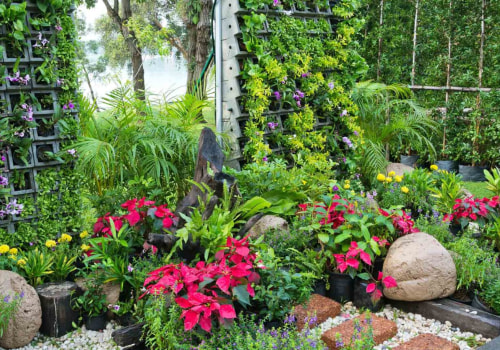
Creating a sense of variety in ornamental gardens is essential for several reasons, each contributing to the overall health and beauty of the garden.One of the primary benefits of incorporating a diverse range of plants is the enhancement of garden aesthetics. A garden filled with various colors, shapes, and textures can captivate the eye and create a dynamic visual experience throughout the seasons.Moreover, diversity in plant selection promotes biodiversity, which is crucial for maintaining a balanced ecosystem. Different plants attract various pollinators, such as bees and butterflies, which are vital for the reproduction of many flowering species. This not only supports the local wildlife but also ensures that your garden remains vibrant and productive.Another significant advantage of variety is seasonal interest.
By selecting plants that bloom at different times or have varying foliage colors throughout the year, gardeners can ensure that their ornamental spaces remain visually appealing regardless of the season. For instance, early spring bulbs can be followed by summer perennials, and then autumn foliage can provide a stunning backdrop as winter approaches.In addition to aesthetic and ecological benefits, a varied garden can also reduce maintenance challenges. A mix of plants can help prevent pest infestations and diseases that often thrive in monocultures. By creating a more resilient garden environment, you can enjoy your ornamental space with less worry about potential issues.In summary, embracing variety in ornamental gardening not only enhances visual appeal but also fosters biodiversity and ensures year-round interest.
These factors lay the groundwork for implementing effective strategies to cultivate a thriving and beautiful garden.
Choosing the Right Plants for Diversity
Creating a visually appealing ornamental garden begins with choosing the right plants. A diverse selection not only enhances the aesthetic but also promotes a healthier ecosystem. Here are some tips to help you select the best plants for your ornamental garden:- Consider Color Schemes: Choose plants that offer a variety of colors throughout the seasons. For instance, spring bulbs like tulips and daffodils can provide vibrant colors early in the year, while autumn perennials such as asters and chrysanthemums can extend the color palette into fall.
- Texture Variety: Incorporate plants with different leaf shapes and sizes.
For example, the broad leaves of hostas can contrast beautifully with the fine foliage of ornamental grasses like blue fescue. This combination adds depth and interest to your garden.
- Growth Habits: Mix plants with varying growth habits—some that grow tall, like sunflowers, alongside low-growing ground covers such as creeping thyme. This layering effect creates a more dynamic landscape.
- Diverse Plant Species: Aim for a mix of annuals, perennials, shrubs, and trees. Annuals like petunias can provide quick bursts of color, while perennials such as daylilies offer longevity.
Incorporating shrubs like hydrangeas or small trees can add structure to your garden.
Incorporating Different Textures and Colors
Creating a visually appealing ornamental garden involves a thoughtful combination of textures and colors. By understanding how to effectively use these elements, you can enhance the overall aesthetic and create a dynamic space that draws the eye.Understanding Textures
Textures in gardening refer to the surface quality of plants and materials.Incorporating a variety of textures can add depth and interest to your garden. Here are some tips:
- Mix Leaf Shapes: Combine plants with different leaf shapes and sizes. For instance, pairing broad-leaved hostas with fine-textured ferns creates a striking contrast.
- Incorporate Hardscapes: Use stones, gravel, or wood to introduce hard textures that complement soft plant materials. This contrast can enhance the visual appeal of your garden.
- Vary Plant Heights: Layering plants of varying heights not only adds texture but also creates a sense of depth.
Taller plants can serve as a backdrop for shorter varieties, enhancing their features.
Applying Color Theory
Color theory plays a crucial role in ornamental gardening. Understanding how colors interact can help you create harmonious or striking combinations:- Complementary Colors: Use colors opposite each other on the color wheel, such as purple and yellow, to create vibrant contrasts that energize your garden.
- Analogous Colors: Choose colors that are next to each other on the wheel, like blue, blue-green, and green, for a more serene and cohesive look.
- Monochromatic Schemes: Select varying shades of a single color to create a sophisticated and unified appearance. This approach can be particularly effective in smaller spaces.
Utilizing Seasonal Plants for Year-Round Interest
Creating a vibrant ornamental garden that captivates the eye throughout the year requires careful selection of seasonal plants.By incorporating a variety of plants that bloom in different seasons, you can ensure that your garden remains dynamic and visually appealing.
Spring Blooms
- Daffodils and tulips are classic spring flowers that herald the end of winter with their bright colors.
- Cherry blossoms add a delicate touch, creating a stunning display that attracts pollinators.
- Consider adding perennials like bleeding hearts and lilies, which return year after year, providing reliable spring interest.
Summer Highlights
- Hydrangeas and roses thrive in the summer heat, offering lush foliage and vibrant blooms.
- Add annuals such as petunias and marigolds for continuous color throughout the season.
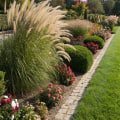
- Ornamental grasses, like Pennisetum, provide texture and movement, enhancing the summer landscape.
Autumn Colors
- The fall season brings a spectacular array of colors; consider planting Asters and Mums, which bloom late in the season.
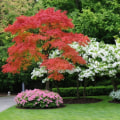
- Japanese maples offer stunning foliage that turns brilliant shades of red and orange, adding depth to your garden.
- Corn stalks or sorghum can be used for height and interest, creating a rustic autumn feel.
Winter Interest
- Select evergreens like Pine, Cypress, or Spruce, which provide structure and color even in the cold months.
- Add winter-blooming plants such as Cyclamen or Hellebores, which can surprise you with their blooms amidst the snow.
- Bark textures, such as those from birch or dogwood trees, can add visual interest during the barren winter months.
Incorporating Hardscaping Elements
Incorporating hardscaping elements into your ornamental garden is essential for creating a sense of variety and structure. Hardscaping refers to the non-plant elements of garden design, such as pathways, walls, and structures, which can significantly enhance the overall aesthetic and functionality of your space.Pathways
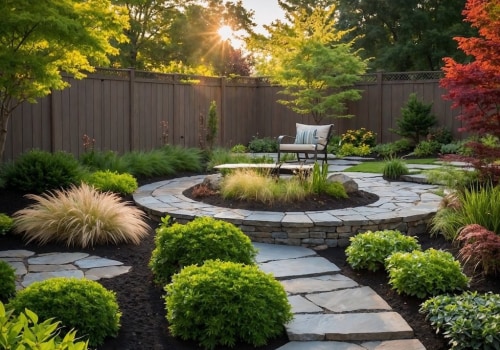
are one of the most effective hardscaping features to introduce into your garden.They guide visitors through the landscape, creating a sense of exploration. Consider using materials like natural stone, brick, or gravel to add texture and visual interest. Curved pathways can soften the look of a garden and encourage a leisurely stroll, while straight paths can create a more formal appearance.
Garden walls
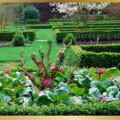
and fences serve both practical and decorative purposes. They can define spaces within your garden, provide privacy, and act as a backdrop for plantings.Using materials that complement your plants—such as weathered wood or rustic stone—can enhance the overall harmony of your design. Additionally, vertical elements like trellises or arbors can introduce height and dimension, allowing climbing plants to flourish.Another important aspect of hardscaping is the inclusion of structures such as pergolas, gazebos, or benches. These features not only provide functional spaces for relaxation but also serve as focal points that draw the eye. When strategically placed among lush plantings, they create a beautiful contrast between hard and soft elements.To achieve balance in your ornamental garden, it’s crucial to consider the ratio of hardscape to softscape.
Too much hardscaping can make a garden feel stark and uninviting, while an abundance of softscape without sufficient hardscape may lead to a chaotic appearance. Aim for a harmonious blend that allows each element to shine while contributing to the overall design.In summary, incorporating hardscaping elements like pathways, walls, and structures not only adds variety but also enhances the functionality and beauty of your ornamental garden. By thoughtfully integrating these features, you can create a captivating outdoor space that invites exploration and enjoyment.
Creating Focal Points and Layers
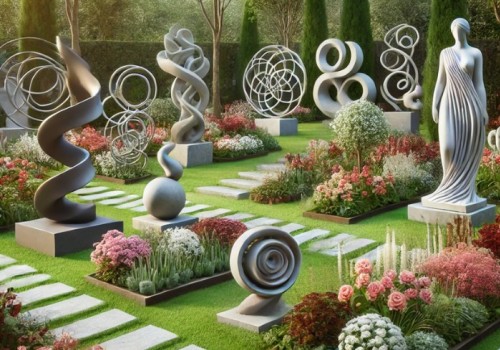
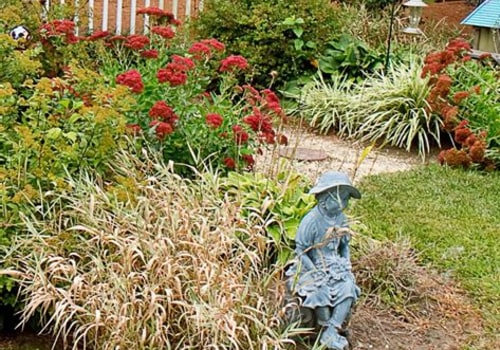
Creating a visually appealing ornamental garden involves strategic design techniques that enhance depth and interest. One of the most effective methods is to establish focal points within the garden.These focal points can be anything from a striking sculpture, a vibrant flower bed, or even a unique tree. By drawing the eye to these elements, you create a sense of purpose and direction in your garden.To effectively incorporate focal points, consider the following tips:
- Choose Contrasting Colors: Select plants or features that stand out against their surroundings. For example, a bright red flower can pop against lush green foliage.
- Vary Heights: Use taller plants or structures as focal points to create vertical interest. This can be achieved with trellises, obelisks, or tall ornamental grasses.
- Incorporate Textures: Mix different textures in your focal points, such as smooth stones with rough bark or soft petals with spiky leaves, to create visual intrigue.
Layering not only adds depth but also enhances biodiversity and visual appeal. Here are some effective strategies for layering:
- Foreground, Midground, Background: Position shorter plants in the front, medium-height plants in the middle, and taller specimens at the back. This arrangement ensures that all plants are visible and creates a natural flow.
- Use Repetition: Repeat certain plants throughout different layers to create cohesion. This can help unify the design while still allowing for variety.
- Seasonal Interest: Choose plants that bloom at different times of the year to ensure that your garden remains vibrant and engaging throughout all seasons.
Maintaining Variety Through Regular Updates
To maintain a vibrant and engaging ornamental garden, regular updates and maintenance are essential.This not only keeps the garden looking fresh but also allows for seasonal changes that can enhance its beauty throughout the year.
1.Rotate Your Plants
- Consider rotating your plants seasonally. For instance, replace summer annuals with fall-blooming varieties to ensure continuous color and interest.
- Incorporate perennials that bloom at different times to create a staggered flowering schedule, ensuring that there is always something in bloom.
2.Seasonal Care
- Pay attention to seasonal changes. In spring, focus on planting new varieties and refreshing soil with compost to promote healthy growth.
- During summer, deadhead spent flowers and prune overgrown plants to encourage new blooms and maintain shape.
- In fall, consider adding ornamental grasses or late-blooming perennials that can provide structure and interest as other plants fade.
- Winter is a great time for planning. Assess what worked well in your garden and what didn’t, allowing you to make informed decisions for the next planting season.
3.Incorporate Hardscaping Elements
- Add pathways, decorative stones, or trellises to create visual interest and variety in your garden layout.
- Consider seasonal decorations such as lanterns or sculptures that can be changed out to reflect different times of the year.
Regular updates not only enhance the aesthetic but also contribute to the overall health of your garden.
FAQs About Creating Variety in Ornamental Gardens
Creating a sense of variety in ornamental gardening can transform your garden into a vibrant and dynamic space. Here are some frequently asked questions that can guide you in achieving this goal:What are the best plants for adding variety to an ornamental garden?
To enhance variety, consider incorporating a mix of perennials, annuals, and shrubs. Plants like coneflowers, daylilies, and lavender provide different textures and colors throughout the seasons. Additionally, using plants with varying heights, such as tall sunflowers or low-growing ground covers, can create visual interest.How can I use color effectively in my garden?
Color plays a crucial role in creating variety.Use a color wheel to select complementary colors that will enhance each other. For instance, pairing warm colors like reds and oranges with cool colors like blues and purples can create a striking contrast. Consider planting in groups of three or five for a more natural look.
What design techniques can I use to create variety?
- Layering: Plant taller species at the back and shorter ones at the front to create depth.
- Curved paths: Instead of straight lines, use curves to guide the eye through the garden.
- Focal points: Incorporate sculptures, water features, or unique plants as focal points to draw attention.
Are there tips for beginners looking to add variety?
If you're new to ornamental gardening, start small. Choose a few different types of plants that thrive in your climate and soil conditions.Experiment with different combinations and observe how they interact throughout the seasons. Don't hesitate to ask local gardening clubs or nurseries for advice on what works best in your area.By addressing these common questions, you can effectively create a diverse and engaging ornamental garden that reflects your personal style while thriving in its environment.