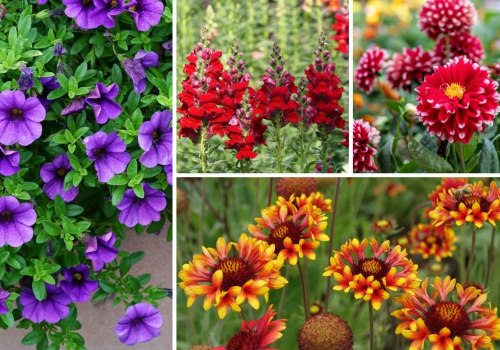
Ornamental gardening is a captivating form of landscape design that focuses on the aesthetic appeal of plants and garden features rather than their utility. This practice transforms outdoor spaces into vibrant displays of color, texture, and form, creating environments that are not only visually stunning but also emotionally uplifting. By incorporating a variety of plants, flowers, and decorative elements, ornamental gardening allows individuals to express their creativity while enhancing the beauty of their surroundings. The benefits of ornamental gardening extend beyond mere aesthetics. Engaging in this form of gardening can improve mental well-being, reduce stress, and foster a deeper connection with nature.
Additionally, ornamental gardens can increase property value and provide habitats for local wildlife, contributing to biodiversity. As gardeners cultivate these spaces, they also cultivate a sense of community and belonging, as beautifully designed gardens often become gathering places for family and friends. There are several types of ornamental gardens, each with its unique characteristics and design principles. From formal gardens that emphasize symmetry and structure to cottage gardens that celebrate a more relaxed and naturalistic approach, the possibilities are endless. Other popular styles include Japanese gardens, which focus on tranquility and balance, and tropical gardens that burst with exotic plants and vibrant colors.
Understanding these various types is essential for anyone looking to create a cohesive and harmonious ornamental garden that reflects their personal style while promoting a sense of unity within the space.
The Importance of Unity in Garden Design
Creating a sense of unity in ornamental gardening is essential for achieving a harmonious and visually appealing landscape. Unity in garden design refers to the cohesive relationship between various elements, ensuring that they work together to create a singular, inviting atmosphere. This principle is not just about aesthetics; it also plays a significant role in the emotional impact of the space.One of the primary benefits of a unified garden is its ability to evoke feelings of tranquility and balance. When plants, pathways, and decorative features are thoughtfully arranged, they guide the viewer's eye through the garden, creating a seamless flow.This can be achieved through:
- Color Harmony: Selecting a color palette that complements the overall theme can enhance visual unity. For instance, using varying shades of a single color or colors that are adjacent on the color wheel can create a soothing effect.
- Consistent Materials: Utilizing similar materials for hardscaping elements like paths, walls, and furniture can tie different areas of the garden together, reinforcing a cohesive look.
- Repetition of Elements: Repeating certain plants or decorative features throughout the garden can create rhythm and familiarity, making the space feel more connected.
By focusing on cohesive design elements, gardeners can cultivate not only stunning visuals but also an emotional connection to their environment.
Key Elements to Create Unity in Ornamental Gardens
Creating a sense of unity in ornamental gardening is essential for achieving a cohesive and visually appealing landscape. Several key elements contribute to this unity, including color schemes, plant selection, and overall layout.Color Schemes
A well-thought-out color scheme can significantly enhance the unity of your garden. Consider using a limited palette of colors that complement each other. For instance, you might choose a monochromatic scheme with varying shades of blue or a complementary scheme that pairs warm colors like reds and yellows with cool colors like blues and greens.This approach not only creates harmony but also draws the eye through the garden.
Plant Selection
The selection of plants plays a crucial role in establishing unity. Aim for a mix of plants that share similar characteristics, such as foliage texture, size, or growth habit. For example, combining plants with broad leaves alongside those with fine foliage can create an interesting contrast while maintaining a sense of cohesion. Additionally, consider using repeating plant varieties throughout the garden to reinforce the theme.Layout and Design
The layout of your garden should also reflect unity.Use pathways, borders, and focal points to guide visitors through the space. A well-defined path can lead the eye from one area to another, creating a seamless flow. Incorporating elements like benches or sculptures at strategic points can serve as visual anchors that tie different sections together.In summary, achieving unity in your ornamental garden involves careful consideration of color schemes, plant selection, and layout design. By thoughtfully integrating these elements, you can create a harmonious and inviting outdoor space that reflects your personal style.
Color Schemes: The Heart of Unity
In the realm of ornamental gardening, color is not just an aesthetic choice; it is the very foundation of unity within your garden design.Understanding color theory can significantly enhance the visual appeal and cohesiveness of your garden.
The Basics of Color Theory
Color theory revolves around the color wheel, which categorizes colors into primary, secondary, and tertiary hues. By understanding how these colors interact, gardeners can create a harmonious atmosphere. For instance, complementary colors—those opposite each other on the wheel—can create vibrant contrasts that draw attention, while analogous colors—those next to each other—tend to produce a more serene and unified look.Choosing Colors for Your Garden
When selecting colors for your ornamental garden, consider the mood you wish to evoke. Warm colors like reds and yellows can energize a space, while cool colors such as blues and greens promote tranquility.Here are some tips for choosing your color palette:
- Assess Your Space: Take note of existing structures and natural elements that may influence your color choices.
- Seasonal Considerations: Think about how colors will change with the seasons; some plants may bloom in vibrant hues during spring but fade in fall.
- Plant Grouping: Group plants with similar color tones to create a cohesive look, ensuring that each section of your garden feels connected.
Creating Harmonious Color Palettes
A harmonious color palette is essential for achieving unity in your garden. Here are some strategies to consider:- Limit Your Palette: Stick to three or four main colors to avoid overwhelming the senses.
- Incorporate Foliage: Use the greens of leaves as a unifying backdrop that can help tie together various flower colors.
- Use Repetition: Repeating certain colors throughout different areas of the garden can create a sense of flow and continuity.
Plant Selection: Choosing the Right Flora for Cohesion
Creating a sense of unity in an ornamental garden begins with plant selection. Choosing the right flora not only enhances the aesthetic appeal but also fosters a cohesive environment. Here are some strategies to consider when selecting plants for your ornamental garden.Best Plants for Ornamental Gardens
When selecting plants, consider those that complement each other in terms of color, texture, and form.Some of the best plants for ornamental gardens include:
- Perennials: Plants like daylilies, hostas, and peonies provide lasting beauty and can be combined for a vibrant display.
- Shrubs: Incorporate shrubs such as boxwood or hydrangeas to create structure and year-round interest.
- Annuals: Use annuals like petunias or marigolds for seasonal pops of color that can be changed each year.
Plant Combinations for Unity
A successful ornamental garden often features plant combinations that work harmoniously together. For instance:- Color Schemes: Choose a color palette—such as cool blues and purples or warm reds and yellows—to guide your selections. Pairing plants like lavender with salvia can create a soothing effect.
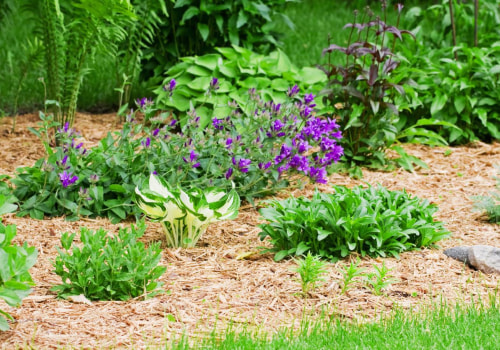
- Textural Contrast: Combine plants with different leaf shapes and sizes, such as the broad leaves of elephant ears with the fine foliage of ornamental grasses, to add depth and interest.
- Height Variation: Layer plants by height, placing taller varieties like sunflowers at the back and shorter ones like snapdragons at the front to create a visually appealing arrangement.
Seasonal Plants for Continuity
Selecting plants that bloom in different seasons ensures your garden remains vibrant throughout the year. Consider:- Spring Bloomers: Include early bloomers like daffodils and tulips.
- Summer Stars: Add summer favorites such as coneflowers and dahlias.
- Fall Foliage: Incorporate plants that showcase stunning fall colors, like Acer palmatum (Japanese Maple), to maintain visual interest as the seasons change.
Layout and Structure: Designing with Purpose
Creating a sense of unity in an ornamental garden begins with thoughtful layout and structure.The way you design your garden can significantly influence how cohesive it feels. Here are some key elements to consider:
- Garden Layout Ideas: Start by sketching a layout that reflects the natural flow of the space. Consider using geometric shapes or organic curves to guide the eye through the garden. A well-planned layout can create distinct areas while maintaining an overall sense of harmony.
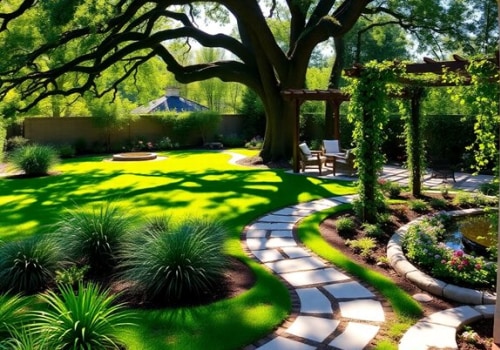
- Pathways: Pathways serve as the veins of your garden, connecting different sections and guiding visitors.
Use materials like gravel, stone, or wood to create pathways that complement your plants. Ensure that pathways are wide enough for comfortable movement and are strategically placed to encourage exploration.
- Borders: Borders define the edges of your garden and can enhance its structure. Use low hedges, decorative fencing, or flower beds to create clear boundaries. This not only helps in organizing the space but also adds layers of interest and depth.
- Focal Points: Incorporate focal points such as sculptures, water features, or unique plants to draw attention and create a sense of purpose within the garden.
These elements should be strategically placed to enhance visibility from various angles, contributing to a unified aesthetic.
Incorporating Focal Points for Visual Interest
In the realm of ornamental gardening, incorporating focal points is essential for creating a cohesive and visually appealing landscape. Focal points serve as anchors within the garden, drawing the eye and providing a sense of direction. They can be anything from a striking sculpture to a beautifully designed water feature, and their strategic placement can significantly enhance the overall aesthetic.Garden sculptures
are a popular choice for focal points.These artistic elements can range from classical statues to modern installations, each adding a unique character to the garden. When selecting a sculpture, consider its size, material, and style to ensure it complements the surrounding plants and features. For instance, a large stone statue may serve as a dramatic centerpiece in a minimalist garden, while a whimsical metal figure could add charm to a more eclectic space.Another effective way to create interest in ornamental gardens is through the use of water features. Ponds, fountains, or even small birdbaths can act as natural focal points that not only attract attention but also invite wildlife into your garden.
The sound of flowing water adds an auditory element that enhances the sensory experience of your outdoor space.When planning your garden layout, consider using plant groupings to create visual interest around your focal points. For example, surrounding a sculpture with vibrant flowering plants or lush greenery can help frame it and draw attention. Additionally, varying plant heights and textures can create layers that lead the eye toward the focal point.In summary, incorporating focal points in your ornamental garden is crucial for establishing unity and visual interest. By thoughtfully selecting and positioning elements like sculptures and water features, you can create an inviting atmosphere that captivates visitors and enhances the beauty of your outdoor space.
Maintaining Unity Throughout the Seasons
Creating a sense of unity in your ornamental garden throughout the seasons requires careful planning and selection of plants that complement each other.By considering seasonal changes, you can maintain visual harmony and ensure that your garden remains inviting year-round.
Seasonal Plant Choices
Choosing the right plants for each season is crucial. Here are some tips:- Spring: Incorporate early bloomers like tulips, daffodils, and hyacinths. These vibrant flowers can set a cheerful tone for the season.
- Summer: Opt for hardy perennials such as daylilies, coneflowers, and lavender. Their lush foliage and colorful blooms will provide a continuous display.
- Fall: Transition to autumn with plants like chrysanthemums, ornamental grasses, and maple trees.
Their warm hues will create a cozy atmosphere.
- Winter: Focus on evergreens and winter-blooming plants like hellebores. These will add structure and interest during the colder months.
Maintaining Garden Unity Year-Round
To ensure your garden maintains a cohesive look throughout the year, consider the following strategies:- Create a Color Palette: Select plants that share a common color scheme. This will help tie different seasonal displays together.
- Incorporate Focal Points: Use sculptures, benches, or water features that remain consistent throughout the seasons to draw the eye and provide continuity.
- Add Structure: Utilize hardscaping elements like pathways, borders, and trellises to create defined areas that enhance unity.
- Rotate Seasonal Displays: Change out annuals or seasonal decorations while keeping perennials and structural elements constant to maintain interest without sacrificing unity.
Common Mistakes to Avoid in Ornamental Gardening Unity
Creating a sense of unity in ornamental gardening can be challenging, and many gardeners fall into common traps that disrupt the overall harmony of their designs.Here are some frequent mistakes to avoid:
- Overcrowding Plants: One of the most prevalent mistakes is planting too many species in a small area. This can lead to chaos and a lack of focus. Instead, choose a limited palette of plants that complement each other in color, texture, and form.
- Lack of Focal Points: Every garden should have a focal point that draws the eye. Without it, the garden can feel disjointed.
Consider incorporating a striking sculpture, a unique tree, or a vibrant flower bed as a centerpiece.
- Ignoring Scale and Proportion: Plants come in various sizes, and placing large plants next to small ones without consideration can create visual imbalance. Always consider the mature size of plants and arrange them accordingly to maintain proportion.
- Neglecting Color Harmony: Using clashing colors can create visual discord. Stick to a cohesive color scheme that reflects your desired mood—whether it’s calming blues and greens or vibrant reds and yellows.
- Inconsistent Themes: Mixing too many styles or themes can confuse the viewer. Decide on a theme—be it tropical, cottage, or modern—and stick to it throughout your garden design.
- Plan Ahead: Sketch your garden layout before planting.
This will help you visualize how different elements will work together.
- Limit Plant Varieties: Aim for 5-7 different types of plants to maintain unity while still allowing for diversity.
- Use Repetition: Repeating certain plants or colors throughout the garden can create a sense of flow and connection.
Conclusion: Bringing It All Together for a Unified Garden Experience
In conclusion, creating a sense of unity in ornamental gardening is essential for crafting a visually appealing and harmonious outdoor space. Throughout this article, we have explored various strategies that contribute to a cohesive garden design. One of the most effective ways to achieve unity is through the careful selection of plants. By choosing species that share similar colors, textures, or growth habits, you can create a seamless flow throughout your garden. For instance, using a consistent color palette can tie different areas together, making the garden feel more integrated. Additionally, the use of hardscaping elements such as pathways, walls, and decorative features can enhance the overall unity of your garden.These elements should complement the plant selections and help guide visitors through the space. Consider using materials that echo the natural surroundings or reflect a specific theme to reinforce the garden's character. Another important aspect is the arrangement of plants and features. Grouping similar plants together or creating focal points can draw the eye and establish a sense of order. This not only enhances visual appeal but also encourages exploration within the garden. Finally, maintaining consistency in garden care practices ensures that your ornamental garden remains vibrant and healthy.
Regular pruning, watering, and fertilization will keep your plants looking their best and contribute to the overall unity of the space. By implementing these strategies, you can create an ornamental garden that not only captivates but also provides a serene escape for all who visit. Remember, a unified garden experience is not just about aesthetics; it’s about creating a space that resonates with peace and harmony.