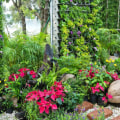
Ornamental gardening is a captivating form of horticulture that focuses on the aesthetic appeal of plants and landscapes. Unlike traditional gardening, which often prioritizes functionality and food production, ornamental gardening emphasizes beauty, design, and the emotional impact of green spaces. This practice allows gardeners to express their creativity through the selection and arrangement of various plants, flowers, and decorative elements, transforming ordinary spaces into stunning visual experiences. The benefits of ornamental gardening extend beyond mere aesthetics. Engaging in this form of gardening can enhance mental well-being, reduce stress, and foster a deeper connection with nature.
Additionally, well-designed ornamental gardens can increase property value and provide habitats for local wildlife. By incorporating a variety of plants, textures, and colors, gardeners can create dynamic environments that change with the seasons, offering continuous enjoyment throughout the year. There are several types of ornamental gardens, each with its unique characteristics and themes. For instance, flower gardens focus on vibrant blooms, while rock gardens utilize stones and alpine plants to create a naturalistic look.
Water gardens
, featuring ponds or fountains, introduce tranquility and attract diverse wildlife.Understanding these different styles is essential for anyone looking to embark on an ornamental gardening journey. Choosing the right plants is crucial to achieving the desired aesthetic and ensuring the garden thrives in its environment.
Assessing Your Garden Space
Choosing the right plants for your ornamental garden begins with a thorough assessment of your garden space. Understanding the unique characteristics of your area will help you select plants that thrive and create a harmonious landscape.Evaluating Garden Size
The first step in your assessment is to measure the size of your garden. Consider both the total area and the layout.A small garden may benefit from vertical gardening techniques or compact plants, while a larger space allows for more diversity and larger specimens. Take note of any existing structures, pathways, or features that may influence plant placement.
Sunlight Exposure
Next, evaluate the sunlight exposure in your garden. Different plants have varying light requirements, so it’s crucial to observe how much sun each area receives throughout the day. You can categorize your garden into:- Full Sun: 6 or more hours of direct sunlight.
- Partial Shade: 3-6 hours of sunlight, often with some protection from harsh afternoon rays.
- Full Shade: Less than 3 hours of direct sunlight, typically under trees or structures.
Understanding Soil Type
The soil type in your garden is another critical factor to consider.Conduct a soil test to determine its pH level and nutrient content. Common soil types include:
- Sandy Soil: Drains quickly but may require more frequent watering and fertilization.
- Clay Soil: Retains moisture but can become compacted; choose plants that tolerate wet conditions.
- Silty Soil: Rich in nutrients and retains moisture well, making it ideal for many ornamental plants.
Choosing the Right Plants for Aesthetic Appeal
When it comes to ornamental gardening, selecting the right plants is crucial for creating a visually stunning landscape. The aesthetic appeal of your garden can be significantly enhanced by considering color schemes, textures, and forms of the plants you choose.Color Schemes in Gardening
One of the first steps in choosing plants is to establish a cohesive color scheme.Consider the following:
- Complementary Colors: Pair colors that are opposite each other on the color wheel, such as purple and yellow, to create vibrant contrasts.
- Analogous Colors: Use colors that are next to each other on the wheel, like blue and green, for a more harmonious look.
- Monochromatic Schemes: Select varying shades of a single color for a sophisticated and unified appearance.
Plant Textures and Forms
The texture and form of plants can add depth and interest to your garden. Here are some tips:- Leaf Texture: Mix plants with different leaf textures—smooth, rough, or fuzzy—to create visual contrast.
- Plant Forms: Incorporate a variety of plant shapes, such as tall spires, rounded bushes, and cascading vines, to enhance the garden's structure.
- Seasonal Interest: Choose plants that offer year-round appeal through seasonal changes in foliage color or flower blooms.
Considering Seasonal Interest
When planning an ornamental garden, considering seasonal interest is crucial for creating a vibrant and dynamic landscape. By selecting plants that offer visual appeal throughout the year, you can ensure that your garden remains engaging, regardless of the season.1.Choose Plants for Year-Round Interest
- Evergreens: Incorporate evergreen plants such as boxwood, holly, and juniper.
These plants maintain their foliage year-round, providing structure and greenery even in winter.
- Deciduous Trees and Shrubs: Select trees and shrubs that offer stunning fall color, like maples or sweetgum, to ensure your garden is alive with color during autumn.
- Perennials: Opt for perennials that bloom at different times throughout the growing season. For example, daylilies, coneflowers, and asters can provide a continuous display of flowers from spring to fall.
2.Plan for Seasonal Color Changes
Incorporating plants that change color with the seasons can add depth to your garden. For instance, many perennials have foliage that shifts from green to vibrant hues in the fall. Additionally, consider plants with interesting bark or seed heads that provide visual interest in winter.
3.Seasonal Plants for Dynamic Displays
- Spring Bulbs: Plant bulbs like daffodils, tulips, and hyacinths for an early burst of color.
- Summer Annuals: Use annuals such as petunias, marigolds, and salamander flowers to fill gaps and add vibrant colors during the summer months.
- Fall Bloomers: Consider late-blooming plants like sedge grass, which can provide texture and interest as other plants begin to fade.
This approach not only enhances the beauty of your landscape but also fosters a deeper connection with nature as you witness the changing seasons unfold in your garden.
Incorporating Native and Climate-Appropriate Plants
When planning an ornamental garden, one of the most impactful choices you can make is to incorporate native plants and those that are climate-appropriate. These plants are not only well-suited to your local environment but also offer numerous benefits that enhance the sustainability and beauty of your garden.Benefits of Native Plants
- Adaptability: Native plants have evolved to thrive in local conditions, making them more resilient to pests, diseases, and climate fluctuations.
- Low Maintenance: Once established, native plants typically require less water and fewer fertilizers compared to non-native species, reducing your gardening workload.
- Biodiversity: By planting native species, you support local wildlife, including pollinators like bees and butterflies, which are essential for a healthy ecosystem.
- Aesthetic Appeal: Native plants often have unique colors and textures that can enhance the visual interest of your garden throughout the seasons.
Choosing Climate-Appropriate Plants
In addition to selecting native species, consider the climate of your region when choosing plants for your ornamental garden. Understanding your local climate helps ensure that the plants you select will thrive without excessive care. Here are some tips for selecting climate-appropriate plants:
- Research Local Conditions: Investigate the hardiness zone of your area and choose plants that are known to flourish in those conditions.
- Consider Drought Resistance: In regions prone to drought, opt for drought-tolerant varieties that require less water while still providing beauty.
- Seasonal Interest: Select a mix of plants that bloom at different times throughout the year to maintain visual interest and support local wildlife year-round.
This approach fosters a sustainable gardening practice that benefits both you and the local ecosystem.
Creating a Cohesive Design Theme
Creating a cohesive design theme in your ornamental garden is essential for achieving a visually appealing and harmonious space. The right combination of plants can transform your garden into a stunning retreat that reflects your personal style. Here are some key considerations to help you select the perfect plants for your design theme.Understanding Design Themes
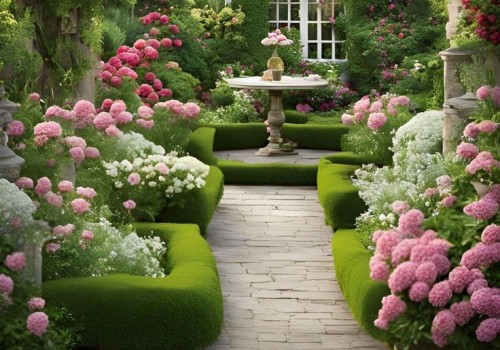
Before choosing plants, it’s important to define the overall garden design theme. Common themes include:- Formal Gardens: Characterized by symmetry and geometric shapes, these gardens often feature clipped hedges and structured plantings.
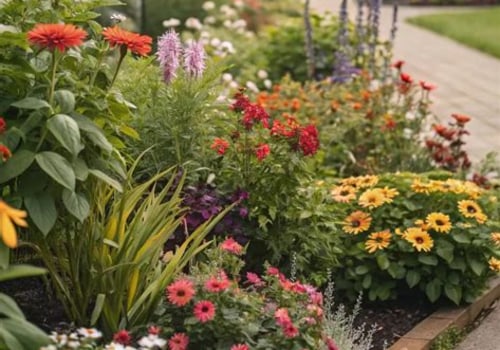
- Cottage Gardens: Emphasizing a relaxed, informal style, cottage gardens are filled with a mix of colorful flowers and herbs.
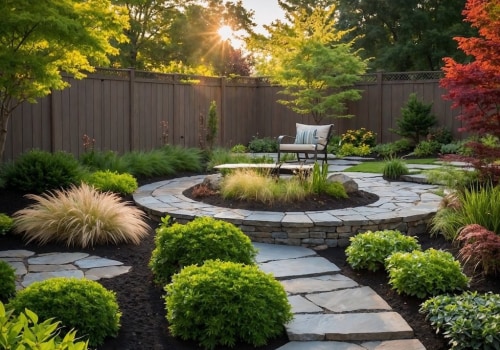
- Modern Gardens: Featuring clean lines and minimalistic designs, modern gardens often incorporate bold foliage and architectural plants.
- Tropical Gardens: These gardens showcase vibrant colors and lush foliage, often using exotic plants to create a lush paradise.
Selecting Complementary Plants
Once you have chosen a theme, selecting complementary plants is crucial.Here are some tips:
- Color Harmony: Choose plants with colors that complement each other. For example, pairing warm colors like reds and oranges with cool colors like blues and purples can create a striking contrast.
- Texture Variation: Incorporate plants with different leaf shapes and sizes to add depth. Combining broad-leaved plants with fine-textured ones can enhance visual interest.
- Height and Scale: Consider the height of your plants. Taller plants should be placed at the back or center of beds, while shorter ones can be used as borders or foreground elements.
- Seasonal Interest: Select plants that bloom at different times throughout the year to ensure your garden remains vibrant across seasons.
Remember, the goal is to achieve harmony through careful plant selection that aligns with your chosen theme.
Maintenance Considerations for Your Plant Choices
When planning your ornamental garden, it’s essential to consider the maintenance requirements of the plants you choose. Selecting plants that align with your lifestyle and gardening experience can significantly enhance your enjoyment and success in maintaining your garden.Understanding Plant Maintenance Needs
Different plants come with varying levels of care requirements. Some may need regular watering, pruning, and fertilization, while others thrive with minimal intervention. To make informed choices, consider the following:- Watering Needs: Assess how often you can water your plants.
Drought-tolerant species like succulents or native perennials often require less frequent watering.
- Pruning and Deadheading: Some plants, such as roses, may need regular pruning to encourage blooming, while others, like ornamental grasses, can be left alone until spring.
- Pest and Disease Resistance: Opt for plants known for their resilience against common pests and diseases to reduce the need for chemical treatments.
Choosing Low-Maintenance Ornamental Plants
If you prefer a garden that requires less upkeep, consider incorporating low-maintenance ornamental plants. These varieties are designed to thrive with minimal care:- Daylilies: These hardy perennials bloom profusely and require little more than occasional watering.
- Lavender: Not only does it add fragrance and beauty, but it also thrives in poor soil and needs little water once established.
- Sedum: This succulent is perfect for rock gardens and requires very little maintenance while providing vibrant color.
FAQs About Choosing Plants for Ornamental Gardens
Choosing the right plants for your ornamental garden can be a daunting task, especially with so many options available. Here are some frequently asked questions that can help guide your selection process.What factors should I consider when selecting plants?
- Climate: Understand your local climate and choose plants that thrive in your USDA hardiness zone.
- Soil Type: Test your soil to determine its pH and nutrient levels, as different plants have varying soil requirements.
- Sunlight: Assess the sunlight exposure in your garden.
Some plants require full sun, while others thrive in partial shade.
- Water Needs: Consider the water requirements of the plants. Grouping plants with similar needs can simplify maintenance.
How do I choose plants for year-round interest?
To ensure your ornamental garden remains vibrant throughout the seasons, select a mix of deciduous and evergreen plants. Incorporate flowering perennials for spring and summer blooms, and add shrubs or trees that provide structure and color in the fall and winter.What are some common mistakes to avoid?
- Overcrowding: Avoid planting too closely together, as this can lead to competition for resources and poor air circulation.
- Ignoring Maintenance: Choose plants that fit your maintenance level. Some may require regular pruning or deadheading.
- Lack of Planning: Sketch out your garden layout before planting to visualize how different plants will interact.
How can I troubleshoot plant choices?
If you notice that certain plants are not thriving, consider the following:- Pest Issues: Check for signs of pests or diseases that may be affecting plant health.
- Nutrient Deficiencies: Yellowing leaves may indicate a lack of essential nutrients; consider fertilizing accordingly.
- Environmental Stress: Assess if the plant is receiving adequate sunlight or water based on its specific needs.
Conclusion: Crafting Your Ideal Ornamental Garden
In conclusion, creating a stunning ornamental garden requires careful consideration and thoughtful planning.The right plant selection is crucial to achieving a harmonious and visually appealing landscape. By understanding the unique characteristics of various plants, you can curate a garden that not only enhances your outdoor space but also reflects your personal style.As we have discussed, here are some key points to remember when choosing plants for your ornamental garden:
- Assess Your Environment: Consider factors such as sunlight, soil type, and climate. These elements will significantly influence which plants will thrive in your garden.
- Choose a Theme: Whether you prefer a formal layout or a more relaxed cottage style, having a clear theme will guide your plant choices and create a cohesive look.
- Incorporate Variety: Mixing different types of plants—such as perennials, annuals, shrubs, and trees—adds depth and interest to your garden. Aim for a balance of colors, textures, and heights.
- Plan for Seasonal Changes: Select plants that offer year-round appeal.
Consider how your garden will look in different seasons and choose species that provide blooms or foliage throughout the year.
- Maintenance Considerations: Be realistic about the time and effort you can dedicate to upkeep. Opt for low-maintenance plants if you prefer a more hands-off approach.