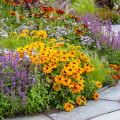
Ornamental gardening is a captivating form of landscape design that focuses on creating visually appealing outdoor spaces. Unlike traditional gardening, which often prioritizes functionality and food production, ornamental gardening emphasizes aesthetics, using a variety of plants, flowers, and decorative elements to enhance the beauty of a garden. This practice not only transforms ordinary spaces into stunning retreats but also fosters a deeper connection between individuals and nature. The benefits of ornamental gardening extend beyond mere visual appeal. Engaging in this form of gardening can significantly improve mental well-being, providing a serene environment that promotes relaxation and mindfulness.
Studies have shown that spending time in beautifully designed gardens can reduce stress levels and enhance overall happiness. Additionally, ornamental gardens can increase property value, making them a worthwhile investment for homeowners. There are several types of ornamental gardens, each with its unique characteristics and design principles. For instance, formal gardens are known for their symmetrical layouts and structured plantings, while cottage gardens embrace a more relaxed and informal style, overflowing with colorful blooms. Other popular types include rock gardens, water gardens, and tropical gardens, each offering distinct aesthetic experiences.
Understanding these various styles is essential for anyone looking to create a successful ornamental garden that reflects their personal taste and enhances their outdoor space.
Planning Your Ornamental Garden
Designing a successful ornamental garden begins with careful planning. The first step is site selection, which involves choosing the right location for your garden. Consider factors such as sunlight exposure, wind patterns, and proximity to water sources. Ideally, your garden should receive at least six hours of direct sunlight each day, as most ornamental plants thrive in bright conditions.Next, assess the soil conditions.Conduct a soil test to determine pH levels and nutrient content. This information will guide you in selecting appropriate plants and amendments to enhance soil quality. If your soil is heavy clay or sandy, consider raised beds or amending the soil with organic matter to improve drainage and fertility.
Understanding Sunlight and Microclimates
Different areas of your garden may have varying light conditions, known as microclimates. Observe how sunlight moves across your space throughout the day.Areas that receive full sun are ideal for sun-loving plants, while shaded spots can accommodate shade-tolerant varieties. This understanding will help you create a harmonious layout that maximizes the health and beauty of your plants.
Applying Basic Garden Design Principles
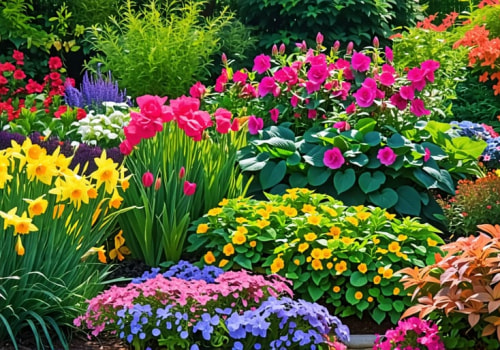
Once you have selected your site and assessed the conditions, apply basic garden design principles. Start by creating a focal point, such as a striking sculpture or a vibrant flower bed, to draw the eye. Use repetition of colors and shapes to create unity throughout the garden.Additionally, consider layering plants by height; taller plants should be placed at the back or center, with shorter varieties in front to ensure visibility.Finally, sketch a layout of your garden plan. This will help you visualize plant placement and ensure that you achieve balance and proportion in your design. Remember to leave space for pathways and seating areas to enhance accessibility and enjoyment of your ornamental garden.
Choosing the Right Plants
When it comes to ornamental gardening, selecting the right plants is crucial for creating a visually stunning and harmonious landscape. The choice of plants can significantly influence the overall aesthetic and functionality of your garden.Best Plants for Ornamental Gardens
To achieve a vibrant and diverse ornamental garden, consider incorporating a mix of flowering plants, foliage plants, and structural plants.Some of the best options include:
- Perennials: Plants like daylilies, hostas, and peonies provide lasting beauty year after year.
- Shrubs: Varieties such as hydrangeas, boxwoods, and azaleas add depth and structure to your garden.
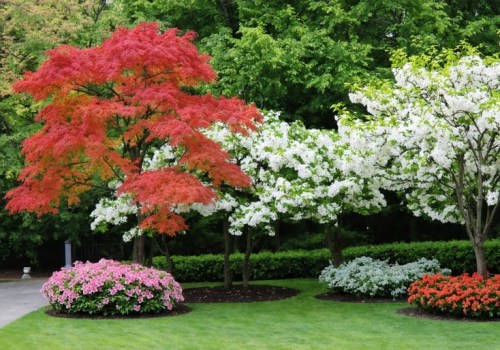
- Trees: Ornamental trees like Japanese maples or crabapples can serve as focal points.
Seasonal Plants
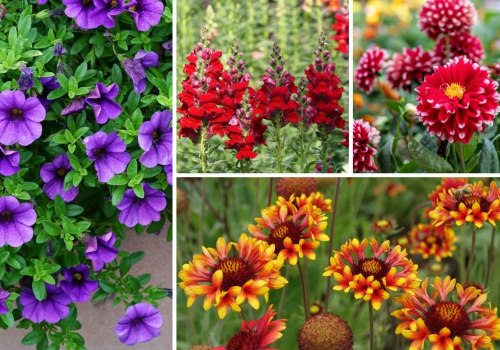
Incorporating seasonal plants can enhance the dynamic nature of your garden. Spring bulbs like daffodils and tulips bring early color, while summer annuals such as petunias and marigolds keep the vibrancy alive. Fall perennials like asters and winter interest plants such as evergreens ensure that your garden remains attractive throughout the year.Native Plants for Gardens
Selecting native plants is not only beneficial for the environment but also enhances the beauty of your ornamental garden. Native species are adapted to local conditions, making them easier to maintain.Consider including:
- Echinacea purpurea: Also known as purple coneflower, this hardy perennial attracts pollinators.
- Aster novae-angliae: New England aster provides stunning fall blooms.
- Panicum virgatum: Switchgrass adds texture and movement to your garden.
Design Elements in Ornamental Gardening
Creating a successful ornamental garden involves a thoughtful approach to various design elements that enhance visual appeal and harmony. Understanding how to effectively use color schemes, textures, and focal points can transform an ordinary space into a stunning landscape.Color Schemes in Gardening
Color is one of the most powerful tools in ornamental gardening. A well-planned color scheme can evoke emotions and set the mood of your garden.Here are some popular approaches:
- Monochromatic: Using different shades of a single color creates a serene and cohesive look.
- Analogous: Combining colors that are next to each other on the color wheel, such as blue, blue-green, and green, offers a harmonious effect.
- Complementary: Pairing colors opposite each other on the wheel, like purple and yellow, adds vibrancy and contrast.
Textures in Ornamental Gardens
The use of textures can add depth and interest to your garden. Mixing plants with varying leaf shapes, sizes, and surface qualities creates a dynamic environment. Consider incorporating:- Smooth leaves: Plants like hostas or ferns can provide a soft touch.
- Rough textures: Incorporate plants with coarse foliage or spiky forms, such as ornamental grasses or succulents.
- Bark and stone: Hardscape elements like decorative stones or textured bark can enhance the overall tactile experience.
Focal Points
A successful ornamental garden often features one or more focal points that draw the eye. These can be:- Sculptures or statues: Artistic pieces can serve as conversation starters.
- Water features: Ponds or fountains add movement and sound, creating a tranquil atmosphere.
- Unique plants: Specimen plants with striking flowers or unusual shapes can stand out as key attractions.
Incorporating Hardscaping Features
Incorporating hardscaping features into your ornamental garden is essential for creating a balanced and functional outdoor space.These elements not only enhance the aesthetic appeal but also provide structure and organization to the garden layout.
Pathways
are a fundamental aspect of hardscaping that guide visitors through your garden. They can be made from various materials such as stone, brick, or gravel, allowing you to choose a style that complements your plant selections. A well-designed pathway can create a sense of flow and encourage exploration, making it easier to appreciate the beauty of your ornamental plants.In addition to pathways, patios serve as functional areas for relaxation and entertainment. A patio can be an ideal spot for placing outdoor furniture, allowing you to enjoy the surrounding beauty while providing a space for gatherings.When designing a patio, consider using materials that harmonize with your garden's theme, such as natural stone or decorative pavers.
Garden structures
, such as trellises, arbors, and pergolas, can also play a significant role in ornamental gardening. These features not only add vertical interest but can also support climbing plants, enhancing the overall design. For instance, a trellis adorned with flowering vines can create a stunning focal point while providing shade and shelter in certain areas of the garden.When integrating hardscaping elements into your ornamental garden, it’s crucial to maintain a balance between hard and soft features. This means ensuring that the hardscaping complements rather than overwhelms the plant life.By thoughtfully incorporating these elements, you can create an inviting and visually appealing space that showcases the beauty of both your plants and hardscape.
Maintenance Tips for Ornamental Gardens
Maintaining an ornamental garden requires consistent effort and attention to detail. Here are some essential maintenance tips to ensure your garden remains vibrant and healthy throughout the seasons.Watering Techniques
Proper watering is crucial for the health of your ornamental plants. Here are some effective techniques:- Deep Watering: Water your plants deeply but infrequently. This encourages deep root growth and helps plants withstand drought conditions.
- Morning Watering: Water in the early morning to reduce evaporation and allow foliage to dry before evening, minimizing the risk of fungal diseases.
- Drip Irrigation: Consider installing a drip irrigation system for efficient water delivery directly to the roots, reducing waste and promoting healthy growth.
Pest Control in Gardens
Pests can quickly become a problem in ornamental gardens.Implement these strategies for effective pest control:
- Regular Inspections: Frequently check your plants for signs of pests or disease. Early detection is key to managing infestations.
- Natural Predators: Encourage beneficial insects like ladybugs and lacewings, which feed on common pests such as aphids.
- Organic Pesticides: Use organic solutions like neem oil or insecticidal soap as a last resort to minimize harm to beneficial insects and the environment.
Seasonal Care Routines
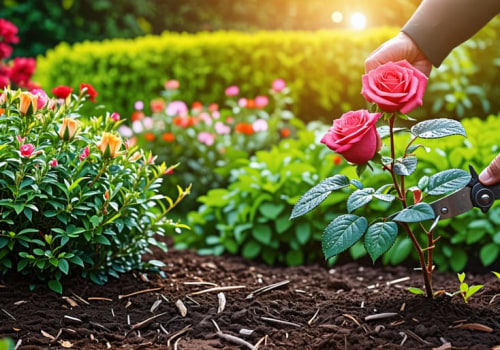
Each season brings unique challenges and opportunities for your ornamental garden. Follow these seasonal care routines:- Spring: Prune dead or damaged branches, apply mulch to retain moisture, and fertilize to promote new growth.
- Summer: Monitor for pests, deadhead spent flowers to encourage blooming, and ensure consistent watering during hot spells.
- Fall: Prepare your garden for winter by cutting back perennials, cleaning up fallen leaves, and applying a layer of mulch for insulation.
- Winter: Protect delicate plants with burlap wraps or frost cloths, and plan for spring planting by researching new varieties.
Common Mistakes to Avoid in Ornamental Gardening
Creating a stunning ornamental garden can be a rewarding endeavor, but many gardeners fall into common traps that can hinder their success. Understanding these mistakes in gardening is crucial for anyone looking to cultivate a beautiful and thriving space.- Neglecting Plant Compatibility: One of the most frequent pitfalls of ornamental gardening is choosing plants that do not thrive together.
It’s essential to consider factors such as sunlight, soil type, and moisture needs. For instance, pairing drought-tolerant plants with those that require constant moisture can lead to poor growth and wasted resources.
- Overcrowding Plants: While it may be tempting to fill every available space, overcrowding can lead to competition for nutrients and light. This not only stunts growth but can also increase the risk of disease. Always check the mature size of plants and allow adequate spacing.
- Ignoring Seasonal Changes: Many gardeners overlook how seasons affect their ornamental garden.
Selecting plants that bloom at different times can ensure year-round interest. Additionally, understanding how seasonal changes impact plant health will help you plan for maintenance and care.
- Forgetting Maintenance Needs: Each plant has its own maintenance requirements, including pruning, deadheading, and fertilization. Failing to account for these needs can lead to an unkempt appearance and reduced plant health. Create a maintenance schedule that aligns with your garden’s specific needs.
- Choosing the Wrong Location: The placement of your garden is critical.
Some plants may require full sun while others thrive in shade. Conducting a thorough site analysis before planting will help you avoid this common error.
FAQs About Ornamental Gardening
Ornamental gardening can be a rewarding hobby, but it often comes with questions, especially for beginners. Here are some frequently asked questions about ornamental gardening that can help you get started and enhance your gardening experience.- What is ornamental gardening?
Ornamental gardening focuses on growing plants for their aesthetic appeal rather than for food production.This includes flowers, shrubs, trees, and decorative elements like sculptures and pathways.
- How do I choose the right plants for my ornamental garden?
Consider your local climate, soil type, and the amount of sunlight your garden receives. Native plants are often a great choice as they are adapted to your environment and require less maintenance. - What are some tips for new gardeners?
- Start small: Begin with a few plants to avoid feeling overwhelmed.
- Research: Learn about the specific needs of the plants you choose.
- Plan your layout: Sketch your garden design to visualize plant placement.
- Be patient: Plants take time to grow and flourish.
- How often should I water my ornamental garden?
Watering needs vary by plant type and climate. Generally, it's best to water deeply but infrequently, allowing the soil to dry out between watering sessions. - What common pests should I watch out for?
Keep an eye out for aphids, spider mites, and slugs. Regularly inspect your plants and use organic pest control methods when necessary.
Remember that every gardener's experience is unique, so don't hesitate to seek advice from local gardening clubs or online forums!.