Ornamental gardening is a captivating art form that transforms outdoor spaces into vibrant displays of beauty and tranquility. Unlike traditional gardening, which often focuses on growing food or functional plants, ornamental gardening emphasizes aesthetics, using a variety of plants, flowers, and landscaping techniques to create visually appealing environments. This practice not only enhances the beauty of residential and public spaces but also fosters a deeper connection between people and nature. The significance of ornamental gardening extends beyond mere decoration; it offers numerous benefits that contribute to both personal well-being and environmental health. Engaging in this form of gardening can reduce stress, promote relaxation, and encourage physical activity.
Additionally, well-designed ornamental gardens can improve air quality, support local wildlife, and increase property value. By incorporating diverse plant species and thoughtful design elements, gardeners can create harmonious spaces that resonate with the natural world. As we delve deeper into the principles of creating harmony in ornamental gardens, it becomes essential to understand how various elements—such as color, texture, and layout—interact to produce a cohesive aesthetic. By carefully selecting plants that complement each other and considering their growth patterns, gardeners can cultivate an environment that not only pleases the eye but also nurtures the soul. This introductory exploration sets the stage for a more detailed discussion on achieving balance and unity in ornamental gardening.
The Principles of Design in Ornamental Gardens
Creating a sense of harmony in ornamental gardening begins with understanding the fundamental design principles that govern successful garden layouts.Among these principles, balance, unity, and proportion play crucial roles in establishing a visually appealing and cohesive space.
Balance in Garden Design
Balance refers to the distribution of visual weight within the garden. It can be achieved through symmetrical or asymmetrical arrangements:- Symmetrical balance: This involves mirroring elements on either side of a central axis, creating a formal and structured look. For instance, placing identical planters on both sides of a pathway can enhance this effect.
- Asymmetrical balance: This approach uses different elements that have equal visual weight. For example, pairing a large tree with several smaller shrubs can create an informal yet balanced appearance.
Unity in Garden Design
Unity is about creating a sense of cohesion among various elements in the garden.This can be achieved through:
- Color schemes: Using a limited palette of colors can tie different plants and features together, making the garden feel more harmonious.
- Repetition: Repeating certain plants or materials throughout the garden can reinforce unity. For instance, using the same type of stone for pathways and borders creates a seamless transition.
Proportion in Garden Design
Proportion refers to the size relationship between different elements in the garden. Ensuring that plants, structures, and features are proportionate to one another is essential for harmony. For example:- A large tree should not be placed next to tiny flowers; instead, consider using medium-sized shrubs to bridge the gap.
- The height of fences or walls should complement the surrounding plants to avoid overwhelming or dwarfing them.
Choosing the Right Plants for Harmony
Creating a sense of harmony in an ornamental garden begins with choosing the right plants.The selection process should focus on how plants interact with one another in terms of color, texture, and size. Here are some key considerations to keep in mind:
- Color Theory: Understanding color theory can significantly enhance the visual appeal of your garden. Use a color wheel to identify complementary colors that can create a vibrant yet balanced look. For instance, pairing warm colors like reds and oranges with cool colors such as blues and purples can create a striking contrast while maintaining harmony.
- Texture: Incorporating plants with varying textures adds depth to your garden.
Combine smooth-leaved plants with those that have coarse or feathery foliage. For example, the soft leaves of Astilbe can beautifully contrast with the bold, spiky foliage of Rudbeckia.
- Size and Scale: Consider the mature size of each plant when planning your layout. Taller plants should be placed at the back or center of beds, while shorter varieties can fill in the front. This layering effect not only enhances visibility but also creates a sense of balance.
- Lavender and Salvia: Both offer beautiful purple hues and attract pollinators.
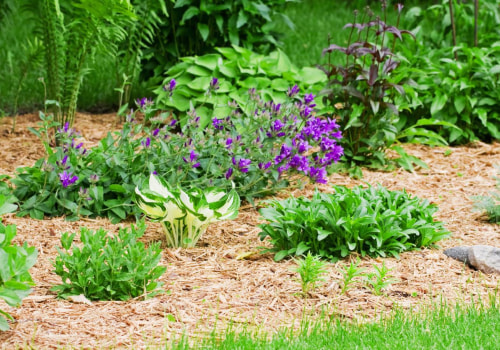
- Hostas and Ferns: Their contrasting textures create a lush, green backdrop.
- Daylilies and Pansies: The vibrant blooms of daylilies paired with the delicate pansies provide a cheerful display.
Incorporating Hardscapes and Structures
In the realm of ornamental gardening, the integration of hardscapes and structures plays a pivotal role in establishing a sense of harmony.These elements not only provide functionality but also enhance the aesthetic appeal of the garden.
Understanding Hardscaping
Hardscaping refers to the non-plant elements in a garden, such as pathways, patios, walls, and other structures. By incorporating these features, you can create defined spaces that guide visitors through your garden while also providing a visual balance to the lush greenery.Pathways: The Garden's Veins
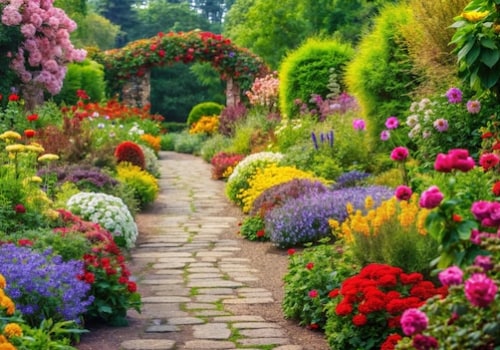
Pathways serve as the veins of your ornamental garden, directing foot traffic and encouraging exploration. When designing pathways, consider using materials that complement your plants and overall theme. For instance:- Natural stone for a rustic feel
- Brick for a classic touch
- Gravel for a more casual, organic look
Curved pathways can create a sense of mystery and intrigue, while straight paths offer a more formal appearance.
Patios: Gathering Spaces
A well-designed patio can serve as an inviting gathering space, enhancing the harmony of your garden. Consider these tips when incorporating patios:- Size and Scale: Ensure that the patio size is proportionate to the surrounding plants and structures.
- Materials: Use materials that harmonize with your garden's color palette.
- Furniture: Select outdoor furniture that complements the style of your garden while providing comfort.
Structures: Adding Vertical Interest
Incorporating structures such as trellises, arbors, or pergolas can add vertical interest to your ornamental garden. These elements can:- Create shaded areas for seating or dining
- Add support for climbing plants, enhancing both beauty and biodiversity
- Serve as visual anchors that draw the eye upward, creating depth in your design
Creating Focal Points and Visual Interest
Creating a sense of harmony in an ornamental garden often begins with the establishment of focal points.These are elements that draw the eye and serve as a centerpiece for the surrounding landscape. A well-placed focal point can transform an ordinary garden into a captivating space. Common choices for focal points include sculptures, water features, or even a striking tree. When selecting a focal point, consider its scale and how it complements the overall design of your garden.Incorporating visual interest is equally important in ornamental gardening.
This can be achieved through a variety of methods:
- Color Schemes: Use contrasting colors to create vibrancy or analogous colors for a more subtle effect. Seasonal blooms can also add dynamic color changes throughout the year.
- Textures: Mix different plant textures, such as smooth leaves with spiky foliage, to create depth and intrigue.
- Layering: Arrange plants in layers, with taller plants at the back and shorter ones in front, to create a sense of depth and dimension.
For instance, a modern sculpture may clash with a traditional cottage garden aesthetic.Finally, consider the placement of pathways and seating areas. These elements not only provide functionality but also guide visitors through your garden, allowing them to appreciate each focal point and visual element fully. By thoughtfully integrating these components, you can create an ornamental garden that is both harmonious and visually captivating.
Seasonal Considerations for Year-Round Harmony
Creating a sense of harmony in your ornamental garden throughout the seasons requires careful planning and consideration of seasonal changes. By selecting the right plants and implementing thoughtful design strategies, you can ensure that your garden remains visually appealing and cohesive all year round.Choosing Seasonal Plants
One of the most effective ways to maintain harmony in your garden is by incorporating seasonal plants.Here are some tips:
- Spring: Opt for early bloomers like tulips, daffodils, and hyacinths to kick off the season with vibrant colors.
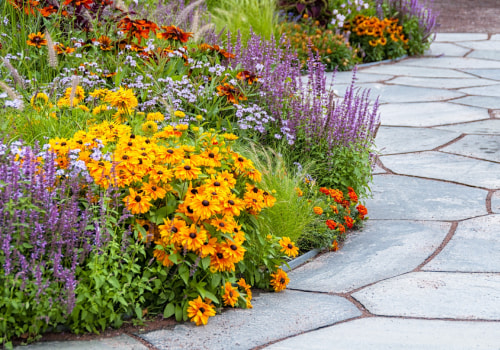
- Summer: Choose heat-tolerant perennials such as coneflowers, daylilies, and black-eyed Susans that thrive in warmer temperatures.
- Fall: Incorporate autumn favorites like asters, chrysanthemums, and ornamental grasses to add texture and warmth as the leaves change.
- Winter: Select evergreens and winter-blooming plants like hellebores or witch hazel to provide structure and interest during the colder months.
Maintaining Garden Harmony Through Seasons
To ensure that your garden maintains its aesthetic appeal throughout the year, consider these strategies:- Color Coordination: Plan your plantings with a color palette in mind. Use complementary colors to create a cohesive look that transitions smoothly from one season to the next.
- Layering Textures: Incorporate a variety of plant textures—smooth leaves, spiky foliage, and feathery blooms—to add depth and interest at all times of the year.
- Seasonal Focal Points: Designate specific areas in your garden as focal points that change with the seasons. For example, a sculpture surrounded by seasonal flowers can draw attention year-round.
Maintenance Tips for Sustaining Harmony
To maintain the harmony in your ornamental garden, consistent and thoughtful maintenance is essential.Here are some practical tips to help you sustain the beauty and balance of your garden:
- Regular Pruning: Pruning is crucial for keeping plants healthy and promoting growth. Remove dead or diseased branches to prevent them from affecting the overall health of your garden. Additionally, shaping plants through pruning can enhance their aesthetic appeal and maintain a cohesive look.
- Consistent Watering: Ensure that your plants receive adequate water, especially during dry spells. A well-hydrated garden not only looks vibrant but also supports the health of your ornamental plants.
Consider using a drip irrigation system to provide consistent moisture without overwatering.
- Mulching: Applying a layer of mulch around your plants helps retain soil moisture, suppress weeds, and regulate soil temperature. Organic mulches, such as wood chips or straw, can also improve soil quality as they decompose.
- Pest Management: Regularly inspect your garden for signs of pests or diseases. Early detection is key to preventing infestations that can disrupt the harmony of your garden. Use organic pest control methods whenever possible to protect beneficial insects.
- Seasonal Plant Care: Different seasons require different care strategies.
In spring, focus on fertilizing and planting new specimens. In fall, prepare your garden for winter by cutting back perennials and protecting sensitive plants.
Common Mistakes to Avoid in Ornamental Gardening
Creating a harmonious ornamental garden requires careful planning and execution. However, many gardeners fall into common traps that can disrupt the overall aesthetic and functionality of their space.Here are some mistakes to avoid in ornamental gardening:
- Overcrowding Plants: One of the most frequent errors is planting too many species in a small area. This can lead to competition for resources and create a chaotic look. Instead, focus on spacing plants appropriately to allow for growth and visibility.
- Ignoring Plant Height: Failing to consider the height of plants can result in a disjointed appearance. Taller plants should be placed at the back or center of beds, while shorter ones should be positioned in front.
This layering technique enhances visibility and creates depth.
- Neglecting Color Harmony: Using clashing colors can create visual discord. When selecting plants, consider their color palettes. Aim for complementary colors or varying shades of the same hue to maintain a cohesive look.
- Inconsistent Themes: A garden that lacks a clear theme can feel disorganized. Whether you choose a formal, cottage, or tropical style, ensure that all elements—from plant selection to hardscaping—align with your chosen theme.
- Forgetting Maintenance Needs: Some plants require more care than others.
Mixing high-maintenance plants with low-maintenance ones can lead to frustration and neglect. Be mindful of the maintenance requirements of each plant to ensure your garden remains harmonious.
Conclusion: Achieving Lasting Harmony in Your Ornamental Garden
In conclusion, achieving a sense of harmony in your ornamental garden is a multifaceted endeavor that requires careful planning and thoughtful execution. By integrating various elements such as color, texture, and form, you can create a cohesive environment that not only pleases the eye but also nurtures the spirit. Throughout this article, we explored several key strategies to enhance the harmony of your garden:- Color Coordination: Selecting a harmonious color palette can significantly impact the overall feel of your garden.
Consider using complementary colors to create visual interest while maintaining balance.
- Plant Selection: Choosing plants with similar growth habits and maintenance needs ensures that your garden remains manageable and visually appealing throughout the seasons.
- Layering and Structure: Incorporating layers of height and structure through trees, shrubs, and flowers adds depth to your garden, creating a more dynamic and inviting space.
- Focal Points: Establishing focal points, such as sculptures or water features, draws the eye and provides a sense of direction within the garden.