In the realm of ornamental gardening, the concept of texture plays a pivotal role in transforming a simple garden into a captivating landscape. Texture refers to the surface quality of plants and materials, which can evoke different feelings and create visual interest. By incorporating a variety of textures, gardeners can enhance the overall aesthetic appeal of their spaces, making them more inviting and engaging. This is particularly important in ornamental gardens, where the goal is often to create a stunning visual display that captivates the senses. Understanding the importance of texture in gardening goes beyond mere aesthetics; it also contributes to the garden's functionality.
Different textures can influence how light interacts with plants, creating shadows and highlights that add depth to the design. For instance, the soft, feathery foliage of ornamental grasses can contrast beautifully with the bold, leathery leaves of succulents. This interplay not only draws the eye but also encourages exploration within the garden space. Moreover, incorporating diverse textures can lead to a more dynamic environment that supports various wildlife. Textured plants can provide shelter and food for beneficial insects and birds, fostering a healthy ecosystem.
Ultimately, embracing texture in ornamental gardening not only enhances visual appeal but also enriches the garden's biodiversity, making it a thriving habitat for both plants and animals.
Types of Textures to Incorporate in Your Garden
Incorporating different textures into your ornamental garden can create a visually stimulating environment that engages the senses. Understanding the various types of textures available is essential for achieving a harmonious design.Soft Textures
Soft textures are often associated with plants that have delicate foliage or flowers. These elements can add a sense of gentleness and tranquility to your garden. Examples include:- Fuzzy leaves: Plants like lamb's ear (Stachys byzantina) feature velvety leaves that invite touch and create a soft contrast against harder elements.
- Feathery fronds: Ferns, such as the maidenhair fern (Adiantum), offer a light, airy quality that can soften the overall appearance of your garden.
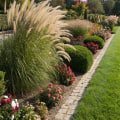
- Flowing grasses: Ornamental grasses like fountain grass (Pennisetum alopecuroides) sway gently in the breeze, adding movement and softness.
Hard Textures
In contrast, hard textures provide structure and stability to your garden design.These elements can be introduced through:
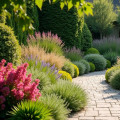
- Stone pathways: Using gravel or flagstone creates a rugged surface that contrasts beautifully with softer plantings.
- Wooden structures: Arbors, trellises, and raised beds made from untreated wood can add warmth and a rustic feel.
- Metal accents: Incorporating metal sculptures or planters introduces a modern edge and durability to your garden.
Foliage Textures
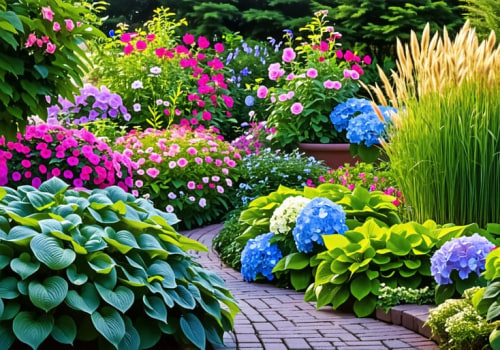
The variety of foliage textures can significantly enhance the visual appeal of your ornamental garden. Mixing plants with different leaf shapes, sizes, and colors creates depth. Consider:- Large-leaved plants: Hostas and elephant ears (Colocasia) provide bold statements with their expansive foliage.
- Narrow-leaved plants: Plants like blue fescue (Festuca glauca) offer a contrasting linear texture that complements broader leaves.
- Variegated leaves: Incorporating plants with variegated foliage, such as certain types of euonymus, adds visual interest and breaks up solid colors.
Combining Plants for Textural Contrast
In ornamental gardening, the interplay of different plant textures can create a visually stunning landscape. Combining plants with contrasting textures not only enhances the aesthetic appeal but also adds depth and interest to your garden.Here are some effective strategies for selecting plant combinations that offer textural contrast:
- Mix Foliage Types: Pair broad-leaved plants, such as hostas, with fine-textured plants like ornamental grasses. The wide leaves of hostas provide a lush backdrop, while the delicate blades of grasses add a lightness that can soften the overall look.
- Incorporate Varied Growth Habits: Combine upright plants, such as delphiniums, with sprawling ground covers like creeping thyme. This contrast in growth habits creates layers and visual interest, drawing the eye through the garden.
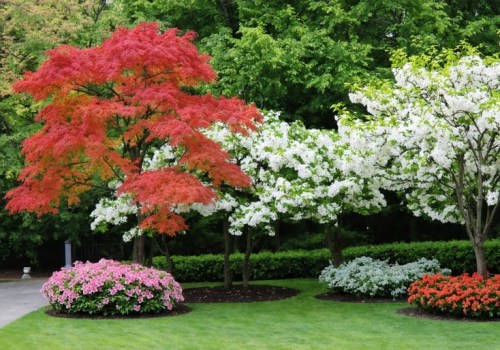
- Utilize Seasonal Changes: Consider plants that change texture with the seasons. For example, Japanese maples have a fine texture in spring and summer, while their bark becomes more pronounced in winter, contrasting beautifully with evergreen shrubs.
- Experiment with Color and Texture: Pair plants with different leaf colors and textures.
For instance, the glossy leaves of rhododendrons can be beautifully contrasted with the matte foliage of ferns, creating a dynamic visual effect.
Incorporating Hardscaping Elements for Added Texture
Incorporating hardscaping elements into your ornamental garden can significantly enhance its texture and visual appeal. Hardscaping refers to the non-plant elements of landscape design, such as stones, bricks, and wood, which can create a striking contrast to the soft textures of plants.Textured Hardscape Materials
When selecting materials for hardscaping, consider a variety of textures to add depth to your garden.Here are some popular options:
- Natural Stone: Varieties like slate, granite, and limestone offer unique patterns and colors. Their rugged surfaces can complement the delicate foliage of ornamental plants.
- Brick: Classic red or modern gray bricks can be used for pathways or raised beds. The uniformity of bricks provides a structured look that contrasts beautifully with organic shapes.
- Wood: Treated timber or reclaimed wood can be used for borders, benches, or trellises. The warmth of wood adds a natural feel and pairs well with vibrant flowers.
- Concrete: Versatile and durable, concrete can be molded into various shapes and finishes.
Stamped concrete can mimic the look of stone while providing a smooth surface.
Design Ideas with Hardscaping
To effectively incorporate hardscaping into your ornamental garden design, consider the following ideas:- Create Pathways: Use textured stones or bricks to form winding paths that guide visitors through your garden. This not only adds functionality but also invites exploration.
- Add Focal Points: Install a stone bench or a wooden pergola as a focal point. These elements draw the eye and provide places for relaxation amidst the greenery.
- Define Spaces: Use low walls made of natural stone or brick to delineate different areas within your garden. This creates a sense of structure while allowing for diverse plantings.
Utilizing Garden Accessories to Enhance Texture
Incorporating garden accessories into your ornamental garden can significantly enhance its texture and visual appeal.These elements not only serve functional purposes but also add layers of interest that can transform a simple garden into a captivating landscape.
1.Sculptures and Statues
- Sculptures can serve as focal points, drawing the eye and creating a sense of depth. Choose materials like stone, metal, or wood to introduce different textures.
- Consider placing sculptures amidst lush greenery or colorful blooms to create a striking contrast that highlights both the art and the plants.
2.Decorative Pots and Planters
- Pots made from various materials such as ceramic, terracotta, or concrete can add unique textures. Experiment with different shapes and sizes to create visual interest.
- Layering pots of varying heights can create a dynamic display, allowing plants to cascade over edges and soften hard surfaces.
3.Garden Furniture
- Furniture, such as benches or tables, can provide both functionality and aesthetic appeal. Opt for pieces made from natural materials like wood or wicker to enhance the organic feel of your garden.
- Incorporating cushions or throws in vibrant colors or patterns can add softness and comfort, inviting visitors to linger and enjoy the surroundings.
4.Pathways and Borders
- Pathways made from stones, gravel, or wood can guide visitors through your garden while adding texture underfoot.
Consider using contrasting materials to define different areas within your space.
- Borders created with decorative stones or edging can frame flower beds and pathways, enhancing the overall structure of your garden design.
Seasonal Changes and Their Impact on Garden Texture
Incorporating seasonal changes into your ornamental garden can significantly enhance its overall texture and visual appeal. Each season brings unique characteristics that can be leveraged to create a dynamic and engaging landscape.Spring
is a time of renewal, where soft, delicate textures emerge as new growth begins. Consider planting perennials such as hostas and ferns, which offer lush foliage that contrasts beautifully with the emerging blooms of tulips and daisies.
The combination of these plants creates a rich tapestry of textures, from the smoothness of the tulip petals to the feathery fronds of ferns.As we transition into summer , the garden can take on a more vibrant and bold character. Incorporate plants with coarse textures, such as ornamental grasses, which sway gracefully in the breeze, adding movement to your garden. Pair these with flowering plants like coneflowers and black-eyed Susans, which provide a striking contrast with their sturdy stems and vibrant colors.
Autumn
introduces a warm palette and a variety of textures as leaves change color and begin to fall. Consider adding deciduous shrubs like maples, which not only provide stunning fall foliage but also contribute to the ground cover as their leaves blanket the soil.
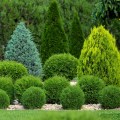
This layer adds depth and a rustic feel to your garden.Finally, in winter , focus on evergreen plants that maintain their structure and texture throughout the cold months. Plants like boxwood or juniper can provide a solid backbone for your garden design, while ornamental features such as bark textures from trees like birch or cherry can add interest even in the starkness of winter.By thoughtfully selecting plants that offer varying textures across seasons, you can create an ornamental garden that remains visually stimulating year-round. This approach not only enhances aesthetic appeal but also fosters a deeper connection with nature as you witness the changing beauty of your garden throughout the year.
FAQs About Incorporating Texture into Ornamental Gardens
Incorporating texture into your ornamental garden can elevate its aesthetic appeal and create a more engaging environment. Here are some frequently asked questions about adding texture to your garden:- What are some effective ways to add texture to my garden?
You can introduce texture through a variety of elements such as foliage, flowers, and hardscaping materials.Consider using plants with different leaf shapes and sizes, like the broad leaves of hostas alongside the fine foliage of ornamental grasses. Additionally, incorporating stones, wood, or metal features can enhance the tactile experience.
- How do I choose plants for a textured garden?
Select plants that vary in height, color, and leaf structure. For instance, pairing spiky plants like agave with soft, rounded plants like sedum creates a dynamic contrast. Mixing evergreen and deciduous plants also adds year-round interest. - Can I use hardscaping to create texture?
Absolutely! Hardscaping elements such as pathways made from rough stones or smooth pebbles can provide visual and physical texture.Raised beds made from reclaimed wood or decorative bricks can also contribute to the overall texture of your garden.
- What role does mulch play in adding texture?
Mulch not only helps retain moisture but also adds a layer of texture to the soil surface. Organic mulches like bark or straw provide a natural look, while gravel or stone mulch offers a more contemporary feel. - How can I maintain the textures in my garden?
Regular maintenance is key to preserving the textures in your garden. Prune overgrown plants to maintain their shape and remove any dead foliage that may detract from the overall appearance. Additionally, refreshing mulch and cleaning hardscaping features will keep your garden looking its best.
Conclusion: Creating a Texturally Rich Ornamental Garden
In conclusion, creating a texturally rich ornamental garden is not just about aesthetics; it’s about crafting an immersive experience that engages the senses.By thoughtfully incorporating a variety of textures, you can enhance the visual appeal and create a dynamic environment that evolves with the seasons. Throughout this article, we explored several effective strategies for achieving this goal:
- Layering Plants: Utilizing plants of varying heights and forms can create depth. Tall grasses can sway in the breeze, while low-growing ground covers provide a soft contrast.
- Incorporating Hardscapes: Elements such as stone pathways, wooden trellises, and metal sculptures add structural texture that complements the softness of plants.
- Choosing Diverse Foliage: Mixing plants with different leaf shapes, sizes, and colors can create a tapestry of textures. Consider pairing smooth-leaved succulents with the rough surfaces of ferns or the feathery fronds of ornamental grasses.
- Utilizing Seasonal Changes: Incorporating plants that change with the seasons ensures that your garden remains interesting year-round. For instance, deciduous trees provide stark branches in winter, while flowering perennials add color in spring and summer.
Take the time to assess how different textures interact with one another and how they respond to light and weather conditions. By embracing diversity in your plant choices and garden design elements, you can cultivate a space that is not only beautiful but also rich in sensory experiences. As you embark on your journey to create a texturally diverse ornamental garden, remember that each element contributes to the overall harmony of your landscape. With careful planning and creativity, your garden can become a vibrant sanctuary that delights both you and your visitors.