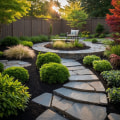
Ornamental gardening is a captivating branch of horticulture that focuses on cultivating plants primarily for their aesthetic appeal rather than for food production. This practice transforms outdoor spaces into vibrant landscapes filled with color, texture, and form, allowing gardeners to express their creativity and enhance the beauty of their surroundings. Whether it’s a small balcony or a sprawling estate, ornamental gardening offers endless possibilities for personal expression and environmental enrichment. The significance of ornamental gardening extends beyond mere aesthetics; it plays a vital role in promoting biodiversity, improving air quality, and providing habitats for various wildlife. By selecting a diverse array of plants, gardeners can create ecosystems that support pollinators like bees and butterflies, contributing to the overall health of the environment.
Additionally, well-designed ornamental gardens can increase property value and provide a serene retreat from the hustle and bustle of daily life. For those new to gardening, understanding the basics of ornamental gardening is essential. It involves not only choosing the right plants but also considering factors such as soil type, climate, and maintenance requirements. As we delve deeper into this enchanting world, we will explore some common plants used in ornamental gardening that can help you create your own stunning landscape.
Understanding Ornamental Plants
Ornamental plants are cultivated primarily for their aesthetic appeal rather than for food or other utilitarian purposes. These plants play a crucial role in enhancing the beauty of gardens, landscapes, and indoor spaces.Understanding the characteristics and types of ornamental plants is essential for anyone interested in ornamental gardening.
Characteristics of Ornamental Plants
Ornamental plants are distinguished by several key characteristics:- Aesthetic Value: The primary purpose of these plants is to provide visual interest through their foliage, flowers, and overall form.
- Diversity: Ornamental plants come in a wide variety of shapes, sizes, colors, and textures, allowing gardeners to create unique and personalized landscapes.
- Seasonal Interest: Many ornamental plants offer seasonal changes, such as blooming flowers in spring or vibrant foliage in autumn, adding year-round beauty to gardens.
- Functional Benefits: Beyond aesthetics, ornamental plants can also serve functional purposes, such as providing shade, acting as windbreaks, or attracting pollinators.
Types of Ornamental Plants
There are several categories of ornamental plants that gardeners can choose from:- Flowering Plants: These include annuals and perennials that produce colorful blooms, such as roses, tulips, and daisies.
- Foliage Plants: Plants like hostas and ferns are valued for their attractive leaves rather than flowers.
- Shrubs and Trees: Larger plants like hydrangeas and Japanese maples provide structure and height to garden designs.
- Cacti and Succulents: These drought-resistant plants are popular for their unique shapes and low maintenance needs.
Popular Flowering Plants in Ornamental Gardening
When it comes to ornamental gardening, incorporating flowering plants can significantly enhance the visual appeal of your landscape. Here are some popular choices that not only add color but also attract pollinators and provide seasonal interest.- Roses : Known for their classic beauty, roses bloom in a variety of colors and sizes. They typically flower from late spring to fall, depending on the variety.
Regular pruning and deadheading are essential for maintaining their health and encouraging more blooms.
- Hydrangeas : These stunning shrubs produce large, showy flower clusters in shades of blue, pink, and white. Hydrangeas thrive in partial shade and require consistent moisture. They bloom from early summer to fall, making them a favorite for many gardeners.
- Daylilies : With their vibrant blooms that come in nearly every color, daylilies are hardy perennials that bloom from late spring to early summer. They are low-maintenance and can thrive in various soil types, making them ideal for beginner gardeners.
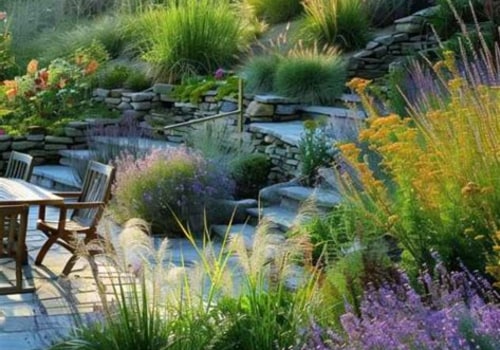
- Lavender : This aromatic plant not only adds a pop of purple to your garden but also attracts bees and butterflies.
Lavender blooms in mid-summer and prefers well-drained soil and full sun. It requires minimal watering once established.
- Marigolds : These cheerful annuals are perfect for adding bright yellows and oranges to your garden. Marigolds bloom from spring until frost and are known for their pest-repelling properties, making them a great companion plant.
Foliage Plants That Enhance Garden Aesthetics
When it comes to ornamental gardening, foliage plants play a crucial role in enhancing the overall aesthetics of a garden.These plants are valued not only for their vibrant colors but also for their unique textures and forms, which can create stunning visual contrasts and focal points.
Popular Foliage Plants for Gardens
- Hostas: Known for their lush, broad leaves, hostas come in various shades of green, blue, and gold. They thrive in shaded areas and are perfect for adding depth to garden beds.
- Ferns: With their delicate fronds, ferns add a soft, feathery texture to gardens. Varieties like the Japanese painted fern or the maidenhair fern can bring an elegant touch to shaded spots.
- Heuchera (Coral Bells): These perennial plants are celebrated for their colorful foliage that ranges from deep purple to bright lime green. Heucheras are versatile and can be used as ground cover or in containers.
- Caladiums: Known for their heart-shaped leaves adorned with striking patterns, caladiums are ideal for adding a tropical flair to gardens.
They thrive in warm climates and can be used in both sun and shade.
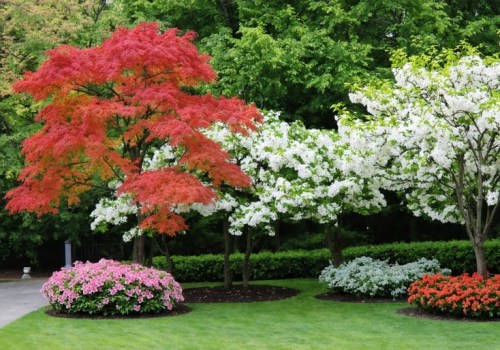
- Japanese Maple: This small tree is prized for its stunning foliage that changes color with the seasons. Its intricate leaf shapes and vibrant hues make it a standout feature in any ornamental garden.
Designing with Foliage Plants
Incorporating these ornamental foliage plants into your garden design can create layers of interest. For instance, pairing tall ferns with low-growing hostas can establish a beautiful contrast in height and texture. Additionally, using plants with varying leaf shapes—such as the broad leaves of caladiums alongside the fine fronds of ferns—can enhance visual appeal.Moreover, consider seasonal changes when selecting foliage plants.
Some plants may offer vibrant colors in spring and summer but transition to more muted tones in fall. By choosing a mix of evergreen and deciduous foliage plants, you can ensure your garden remains visually engaging throughout the year.Ultimately, the right selection of foliage plants not only beautifies your space but also contributes to the overall health of your garden ecosystem by attracting beneficial insects and providing habitat for wildlife.
Shrubs and Bushes in Ornamental Gardening
When it comes to ornamental gardening, shrubs and bushes play a pivotal role in creating visually appealing landscapes. These plants not only provide structure and form but also add color and texture throughout the seasons.Ornamental shrubs
are often chosen for their aesthetic qualities, including foliage, flowers, and overall shape. Here are some popular options:- Boxwood (Buxus spp.) : Known for its dense, evergreen foliage, boxwood is a classic choice for formal gardens and hedges.
Its ability to be shaped makes it ideal for topiary.
- Hydrangea (Hydrangea spp.) : With large, showy blooms that can change color based on soil pH, hydrangeas are perfect for adding a splash of color to any garden.
- Japanese Maple (Acer palmatum) : This small tree or large shrub is prized for its stunning leaf shapes and colors, making it a focal point in many ornamental gardens.
- Rhododendron (Rhododendron spp.) : Known for their spectacular flowers, rhododendrons thrive in shaded areas and can create a vibrant display in spring.
- Spirea (Spiraea spp.) : These deciduous shrubs are valued for their hardiness and beautiful clusters of flowers that attract pollinators.
For example:
- Place taller shrubs like holly at the back of a border.
- Add medium-sized shrubs like azaleas in the middle.
- Finish with low-growing varieties like lavender at the front.
Trees That Serve an Ornamental Purpose
When it comes to ornamental gardening, selecting the right trees can significantly enhance the visual appeal of your landscape. Ornamental trees are prized not only for their beauty but also for their ability to provide structure and seasonal interest in gardens.Popular Ornamental Trees
- Japanese Maple (Acer palmatum): Known for its stunning foliage, the Japanese Maple offers a variety of leaf shapes and colors, ranging from deep reds to vibrant greens. This small to medium-sized tree is perfect for adding a focal point in smaller gardens.
- Flowering Dogwood (Cornus florida): With its beautiful spring blooms and striking fall color, the Flowering Dogwood is a favorite among gardeners. Its layered branches create an attractive silhouette, making it an excellent choice for landscaping.
- Crabapple (Malus spp.): These trees are celebrated for their profusion of spring flowers and small, colorful fruits that attract wildlife.
They come in various sizes and shapes, making them versatile for different garden designs.
- Redbud (Cercis canadensis): The Redbud is known for its stunning pink to purple flowers that bloom in early spring before the leaves emerge. Its heart-shaped leaves provide a lovely backdrop throughout the growing season.
- Magnolia (Magnolia spp.): Magnolias are renowned for their large, fragrant flowers and glossy leaves. They can serve as magnificent specimens in any garden, with some varieties offering evergreen foliage for year-round interest.
Considerations for Choosing Ornamental Trees
When selecting trees for your ornamental garden, consider factors such as size, shape, and seasonal interest:
- Size: Ensure that the mature size of the tree fits well within your garden space. Some ornamental trees can grow quite large, while others remain compact.
- Shape: The form of the tree can influence the overall design of your landscape.
Look for trees with interesting branching patterns or unique silhouettes.
- Seasonal Interest: Choose trees that offer visual appeal throughout the year, whether through flowers, foliage color changes, or interesting bark textures.
Ground Covers and Their Importance in Ornamental Gardening
Ground covers play a vital role in ornamental gardening, offering both aesthetic appeal and practical benefits. These low-growing plants are essential for creating a lush, green carpet that enhances the beauty of any garden while serving multiple functional purposes.One of the primary advantages of using ground cover plants is their ability to suppress weeds. By covering the soil, these plants block sunlight from reaching weed seeds, significantly reducing their growth.This not only saves time and effort in garden maintenance but also promotes a healthier ecosystem by minimizing the need for chemical herbicides.Additionally, ground covers are excellent for controlling soil erosion. Their extensive root systems help stabilize the soil, preventing it from washing away during heavy rains or flooding. This is particularly important on slopes or in areas prone to erosion, making ground covers a smart choice for environmentally conscious gardeners.
Best Ground Covers for Gardens
- Creeping Thyme: This aromatic plant is not only drought-tolerant but also produces beautiful purple flowers that attract pollinators.
- Ajuga (Bugleweed): Known for its vibrant foliage and spikes of blue flowers, Ajuga thrives in both sun and shade, making it versatile for various garden settings.
- Pachysandra: A favorite for shady areas, Pachysandra offers glossy green leaves and is effective at crowding out weeds.
- Vinca Minor (Periwinkle): With its lovely blue flowers and ability to thrive in poor soil conditions, Vinca Minor is an excellent choice for ground cover.
- Sedum: These succulent plants are perfect for rock gardens or dry areas, providing unique textures and colors throughout the seasons.
Incorporating Annuals and Perennials in Your Garden Design
When it comes to ornamental gardening, understanding the differences between annual and perennial plants is crucial for creating a vibrant and dynamic garden design.Both types of plants offer unique benefits and can be used strategically to enhance the aesthetic appeal of your outdoor space.
Annual vs. Perennial Plants
Annuals are plants that complete their life cycle within a single growing season. They germinate, bloom, and die all in one year. This rapid lifecycle allows gardeners to experiment with different colors and varieties each season, making annuals perfect for adding seasonal interest.Common examples include petunias, marigolds, and zinnias.On the other hand, perennials return year after year, often growing larger and more robust with each passing season. They provide a stable foundation for your garden design, allowing for long-term planning and investment. Popular perennial flowers include daylilies, hostas, and coneflowers.
Using Annuals in Gardens
Annuals are ideal for filling in gaps in your garden or adding bursts of color where needed. They can be used to create stunning focal points or borders that change with the seasons.Consider planting annuals in containers or hanging baskets to add vertical interest and mobility to your garden design.
Perennial Flowers for Landscaping
Perennials, with their longevity, are excellent for creating a cohesive landscape. They can be grouped together based on their blooming times to ensure that your garden has continuous color throughout the growing season. Additionally, perennials often require less maintenance once established, making them a practical choice for busy gardeners.Incorporating both annuals and perennials into your ornamental gardening strategy allows you to enjoy the best of both worlds: the vibrant, ever-changing beauty of annuals combined with the reliable presence of perennials. By thoughtfully selecting and arranging these plants, you can create a garden that is not only visually appealing but also rich in biodiversity.Tips for Choosing the Right Plants for Your Garden
Choosing the right plants for your ornamental gardening project can significantly enhance the beauty and functionality of your outdoor space.Here are some practical tips to guide you in selecting the best plants:
- Assess Your Garden Conditions: Before selecting plants, evaluate your garden's conditions, including sunlight exposure, soil type, and moisture levels. Different plants thrive in different environments, so understanding these factors is crucial.
- Consider Plant Size and Growth Habit: Think about how large the plants will grow and their overall shape. Choose plants that will fit well within your space without overcrowding or overshadowing other plants.
- Choose Native Plants: Native plants are often more resilient and require less maintenance. They are adapted to your local climate and soil conditions, making them an excellent choice for sustainable ornamental gardening.
- Plan for Seasonal Interest: Select a variety of plants that bloom at different times throughout the year.
This ensures that your garden remains vibrant and visually appealing across all seasons.
- Incorporate Foliage Variety: While flowers are often the stars of ornamental gardens, don't overlook the importance of foliage. Plants with interesting leaf shapes, colors, and textures can add depth and contrast to your garden design.
- Think About Maintenance: Consider how much time you can dedicate to garden upkeep. Some plants require more care than others, so choose those that align with your lifestyle and gardening experience.
Conclusion: Creating a Beautiful Ornamental Garden
In conclusion, creating a beautiful ornamental garden requires careful consideration of the plants you choose. Throughout this article, we have explored various common plants that can enhance the aesthetic appeal of your garden while also providing functional benefits. When selecting plants for your ornamental garden, it is essential to consider factors such as climate, soil type, and the overall design of your space.By choosing a mix of perennials , annuals , and shrubs , you can ensure year-round interest and color. For instance, incorporating flowering plants like roses and lilies can add vibrant hues, while foliage plants such as hostas and ferns provide texture and depth. Additionally, consider the use of hardscaping elements, such as pathways and decorative stones, to complement your plant choices. These features not only enhance the visual appeal but also create a structured environment that guides visitors through your garden. Ultimately, the key to a successful ornamental garden lies in balancing aesthetics with practicality. Regular maintenance, including pruning and fertilizing, will keep your plants healthy and thriving.
By investing time in planning and selecting the right plants, you can create a stunning outdoor space that reflects your personal style and brings joy for years to come. Remember, an ornamental garden is not just about beauty; it’s about creating a sanctuary that nurtures both the plants and the gardener. Embrace the journey of gardening, and let your creativity flourish!.