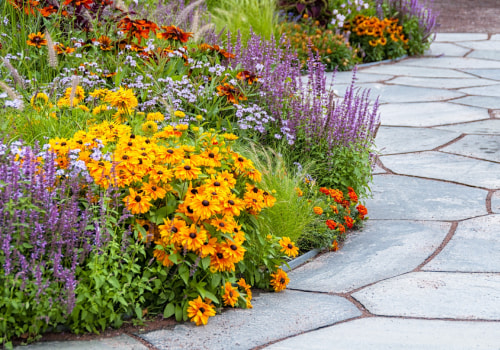
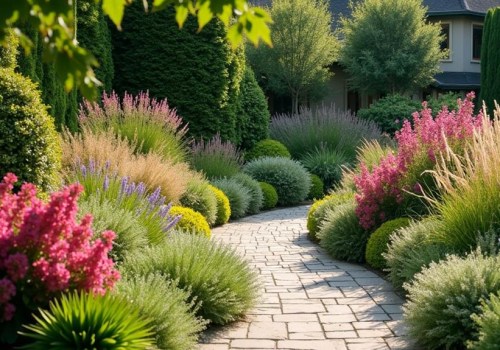
Ornamental gardening is a captivating form of horticulture that focuses on cultivating plants primarily for their aesthetic appeal rather than for food production. This practice encompasses a wide variety of plants, including flowers, shrubs, trees, and even ornamental grasses, all chosen for their beauty and ability to enhance the visual landscape. By integrating these elements into gardens, landscapes, and outdoor spaces, ornamental gardening transforms ordinary areas into vibrant displays of color and texture. The definition of ornamental gardening can be understood as the art and science of designing and maintaining gardens that prioritize visual enjoyment. Unlike traditional gardening, which may emphasize utility or food production, ornamental gardening invites creativity and personal expression.
Gardeners often select plants based on their colors, shapes, and seasonal changes, creating dynamic environments that evolve throughout the year. There are numerous types of ornamental plants that can be utilized in these gardens. Annuals and perennials provide a range of colors and textures, while shrubs and trees can offer structure and height. Additionally, ornamental grasses add movement and softness to garden designs. Each type of plant contributes uniquely to the overall aesthetic, allowing gardeners to craft personalized spaces that reflect their tastes and preferences. As we delve deeper into the benefits of ornamental gardening in subsequent sections, it becomes clear that this practice not only beautifies our surroundings but also enriches our lives in various ways.
From enhancing property value to promoting mental well-being, the advantages of engaging with ornamental gardening are both profound and far-reaching.
Aesthetic Appeal of Ornamental Gardens
Ornamental gardening is a powerful tool for enhancing the visual appeal of both residential and public spaces. By carefully selecting plants, colors, and design elements, gardeners can create stunning landscapes that captivate the eye and elevate the overall atmosphere of an area.One of the primary aesthetic benefits of ornamental gardening is its ability to introduce a variety of textures and colors into a space. The use of flowering plants, shrubs, and trees can create a dynamic visual experience throughout the seasons. For instance, vibrant blooms in spring can transition to rich autumn foliage, ensuring that the garden remains visually engaging year-round.Design Principles in Ornamental Gardening
Effective garden design relies on several key principles:- Balance: Achieving visual balance through symmetrical or asymmetrical arrangements helps create harmony within the garden.
- Contrast: Utilizing contrasting colors and shapes can draw attention to specific areas or features, enhancing the overall impact.
- Unity: A cohesive theme or color palette ties different elements together, making the garden feel like a unified space.
- Scale: Considering the size of plants in relation to their surroundings ensures that each element complements rather than overwhelms.
For example, incorporating a mix of tall grasses, low-growing perennials, and flowering shrubs can create layers that add depth to the landscape. Additionally, using native plants not only enhances beauty but also supports local wildlife and promotes sustainability.In conclusion, ornamental gardening offers significant aesthetic benefits, transforming ordinary spaces into extraordinary landscapes. By applying thoughtful design principles and selecting diverse plant species, gardeners can create visually appealing environments that enhance both personal enjoyment and community pride.
Psychological Benefits of Gardening
Engaging in ornamental gardening offers a multitude of psychological benefits that can significantly enhance one’s mental health. The act of nurturing plants and creating beautiful landscapes provides a sense of purpose and accomplishment, which can be particularly beneficial for emotional well-being.Stress relief
is one of the most notable advantages of gardening.Spending time outdoors, surrounded by nature, allows individuals to disconnect from daily stressors and immerse themselves in a calming environment. The repetitive tasks involved in gardening, such as planting, weeding, and watering, can serve as a form of meditation, helping to clear the mind and reduce anxiety.Moreover, studies have shown that interacting with plants can lead to improved mood and increased feelings of happiness. The vibrant colors and fragrances of flowers stimulate the senses, promoting a positive emotional state. Additionally, the physical activity involved in gardening releases endorphins, which are known as the body’s natural mood lifters.Another significant benefit is the opportunity for social interaction that ornamental gardening can provide.
Whether through community gardens or gardening clubs, individuals can connect with like-minded people who share their passion for plants. This sense of community fosters relationships that can combat feelings of loneliness and isolation.In summary, the psychological benefits of ornamental gardening extend beyond mere aesthetics. By promoting stress relief, enhancing mood, and encouraging social connections, gardening serves as a powerful tool for improving overall mental health.
Environmental Benefits of Ornamental Gardening
Ornamental gardening plays a significant role in enhancing our environment, offering numerous environmental benefits that extend beyond mere aesthetics. One of the primary advantages is its ability to support biodiversity.By incorporating a variety of plants, ornamental gardens create habitats for various species, including birds, insects, and small mammals. This diversity not only enriches the local ecosystem but also promotes a balanced environment where different species can thrive.Moreover, ornamental gardens contribute to improved air quality. Plants naturally absorb carbon dioxide and release oxygen through photosynthesis, which helps mitigate the effects of air pollution. Additionally, certain plants can filter harmful pollutants from the air, making urban areas more breathable and healthier for residents.Another critical aspect of ornamental gardening is its role in ecosystem support.
These gardens can help manage stormwater runoff by absorbing excess rainwater, reducing the risk of flooding and erosion. The soil in ornamental gardens acts as a natural sponge, allowing water to percolate and recharge groundwater supplies. This not only benefits the garden itself but also contributes to the overall health of local waterways.Furthermore, ornamental gardens can serve as vital corridors for wildlife movement, connecting fragmented habitats and allowing species to migrate safely. By planting native species and creating diverse plant communities, gardeners can enhance these corridors, fostering a more resilient ecosystem.In summary, the environmental benefits of ornamental gardening are profound.
From supporting biodiversity and improving air quality to providing essential ecosystem services, these gardens are invaluable assets that contribute to a healthier planet.
Social Benefits of Ornamental Gardening
Ornamental gardening extends beyond the aesthetic appeal of plants and flowers; it fosters a sense of community and social interaction among individuals. Engaging in community gardening initiatives allows neighbors to come together, share resources, and cultivate not only plants but also relationships. These shared spaces often become hubs of activity where people can collaborate on projects, exchange gardening tips, and celebrate the fruits of their labor.One of the most significant social benefits of ornamental gardening is the opportunity for social interaction. Whether through informal gatherings or organized events, gardeners can connect with like-minded individuals who share a passion for horticulture.This interaction can lead to lasting friendships and a stronger sense of belonging within the community.
- Networking Opportunities: Gardening clubs often host workshops, plant swaps, and social events that encourage members to network and learn from one another.
- Skill Sharing: Members can share their expertise in various gardening techniques, fostering a culture of learning and collaboration.
- Community Events: Many clubs participate in local fairs or exhibitions, showcasing their ornamental gardens and promoting community pride.
These connections ultimately enrich the gardening experience, making it more than just a solitary hobby but a vibrant community endeavor.
Economic Advantages of Ornamental Gardening
Ornamental gardening offers a variety of economic advantages that can significantly impact both homeowners and landscaping professionals. One of the most notable benefits is the potential for increased property value. Homes with well-designed ornamental gardens often attract higher offers on the real estate market. According to various studies, properties with attractive landscaping can see a return on investment of up to 15% or more compared to similar homes without such enhancements.This increase in value is largely due to the aesthetic appeal and the perception of a well-maintained property.Moreover, ornamental gardening can create numerous business opportunities within the landscaping industry. As more homeowners recognize the benefits of enhancing their outdoor spaces, the demand for skilled landscapers, garden designers, and maintenance services continues to grow. This trend opens doors for entrepreneurs looking to start their own landscaping businesses or expand existing ones. Services such as garden design consultations, installation of ornamental features, and ongoing maintenance can provide lucrative income streams.Additionally, ornamental gardening can contribute to local economies by promoting community beautification projects.
Local governments and organizations often invest in public gardens and parks, which not only enhance community pride but also attract tourism and local events. This influx of visitors can benefit nearby businesses, creating a ripple effect that boosts the overall economy.In summary, the economic advantages of ornamental gardening extend beyond mere aesthetics. By increasing property values and fostering business opportunities in landscaping, it plays a crucial role in enhancing both individual wealth and community prosperity.
Tips for Starting Your Own Ornamental Garden
Starting your own ornamental garden can be a rewarding experience, allowing you to express your creativity while enhancing the beauty of your outdoor space. Here are some practical tips to help you get started:1.Assess Your Space
Before you begin planting, take a close look at your available space.Consider factors such as:
- Sunlight: Observe how much sunlight different areas receive throughout the day.
- Soil Quality: Test your soil to determine its pH and nutrient levels.
- Climate: Understand your local climate and choose plants that thrive in those conditions.
2.Choose the Right Plants
Selecting the right plants is crucial for a successful ornamental garden. Here are some tips for plant selection:- Native Plants: Consider incorporating native species, as they are well-adapted to your local environment and require less maintenance.
- Diversity: Mix different types of plants, including perennials, annuals, shrubs, and trees, to create visual interest and support local wildlife.
- Color and Texture: Choose plants with varying colors and textures to enhance the aesthetic appeal of your garden.
3.Plan Your Layout
A well-thought-out layout can make a significant difference in the overall look of your garden. Consider these design principles:- Focal Points: Create focal points using larger plants or decorative features like sculptures or benches.
- Layering: Use taller plants at the back and shorter ones in front to create depth.
- Pathways: Incorporate pathways to guide visitors through your garden and provide access for maintenance.
Frequently Asked Questions about Ornamental Gardening
Ornamental gardening is a rewarding hobby that often raises several questions among enthusiasts and beginners alike.Here are some frequently asked questions about ornamental gardening that can help you enhance your gardening experience.
What types of plants are best for ornamental gardening?
When selecting plants for your ornamental garden, consider a mix of annuals, perennials, and shrubs. Popular choices include:- Roses - Known for their beauty and fragrance.
- Lavender - Offers both aesthetic appeal and a lovely scent.
- Hostas - Great for shaded areas with lush foliage.
- Ornamental grasses - Add texture and movement to your garden.
How do I maintain my ornamental garden?
Maintaining an ornamental garden requires regular attention. Here are some essential maintenance tips:- Watering: Ensure your plants receive adequate moisture, especially during dry spells. Early morning is the best time to water.
- Pruning: Regularly prune dead or overgrown branches to promote healthy growth and improve appearance.
- Pest control: Keep an eye out for pests and diseases.
Use organic methods whenever possible to protect your plants.
- Fertilizing: Apply a balanced fertilizer during the growing season to provide essential nutrients.
Can I create an ornamental garden in a small space?
Absolutely! Ornamental gardening can be adapted to fit any space, including small yards or balconies. Consider using:- Potted plants: They can be moved around and arranged creatively.
- Vertical gardens: Utilize wall space to grow climbing plants or hanging planters.
- Container gardens: Group various plants in containers for a vibrant display without taking up much ground space.
Conclusion: The Multifaceted Benefits of Ornamental Gardening
In conclusion, ornamental gardening offers a plethora of benefits that extend beyond mere aesthetics. By incorporating various plants, flowers, and design elements, gardeners can create vibrant spaces that enhance their surroundings and contribute positively to their well-being. One of the most significant advantages of ornamental gardening is its ability to improve mental health. Engaging with nature has been shown to reduce stress, anxiety, and depression.The act of nurturing plants can foster a sense of accomplishment and purpose, making it a therapeutic hobby for many. Additionally, ornamental gardening promotes biodiversity. By planting a variety of species, gardeners can attract beneficial insects and wildlife, contributing to a healthier ecosystem. This not only supports local fauna but also enhances the overall resilience of the garden. Moreover, ornamental gardens can increase property value. A well-maintained garden adds curb appeal and can make a home more attractive to potential buyers.
This investment in landscaping often pays off in the long run. Lastly, ornamental gardening encourages community engagement. Many gardeners find joy in sharing their knowledge and experiences with others, whether through local gardening clubs or community events. This fosters connections among neighbors and cultivates a sense of belonging. In summary, the multifaceted benefits of ornamental gardening—from enhancing mental health to promoting biodiversity and community engagement—make it an enriching pursuit. If you haven’t yet started your own garden, consider taking the plunge into this rewarding hobby that not only beautifies your space but also nurtures your soul.